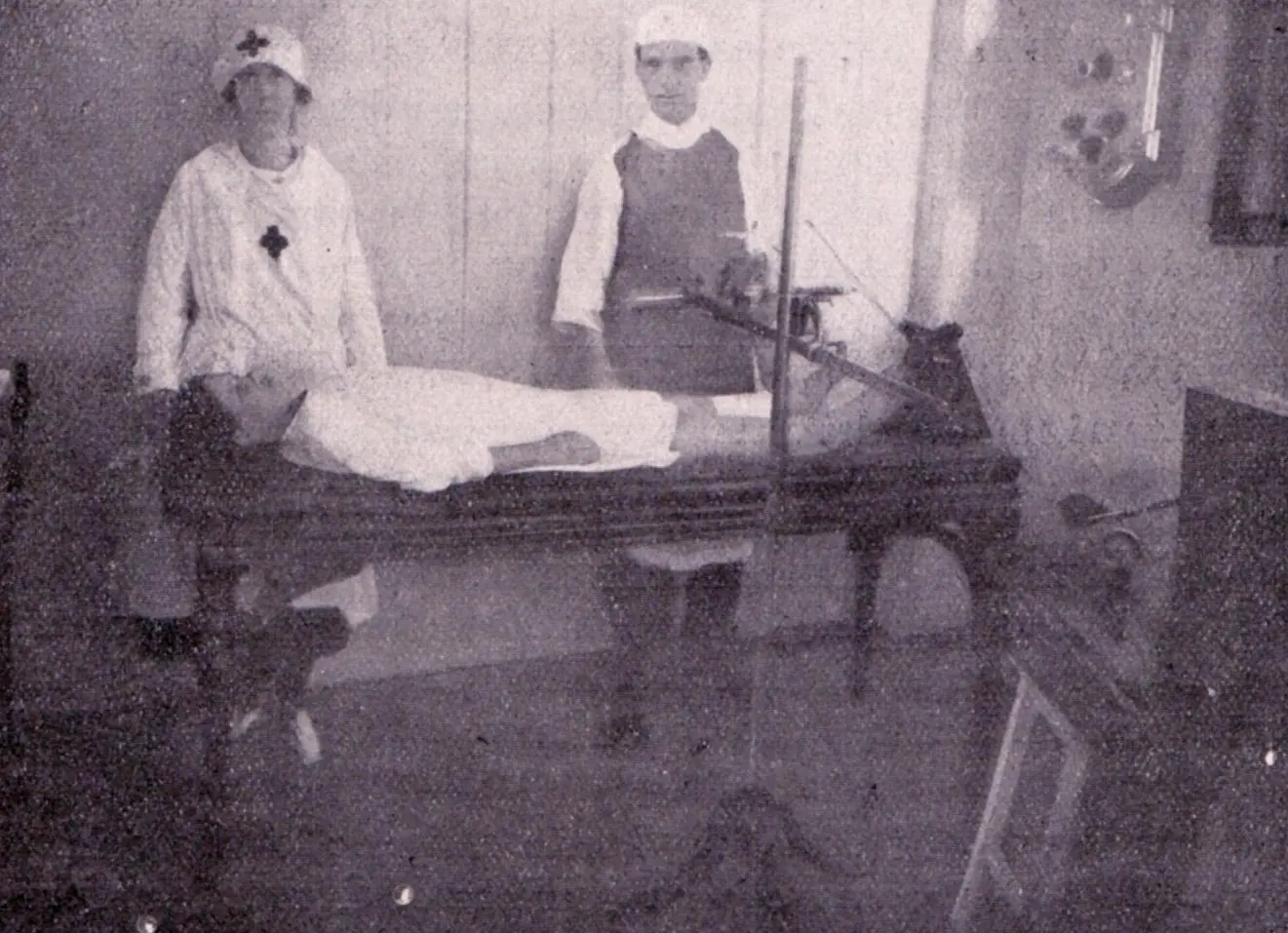
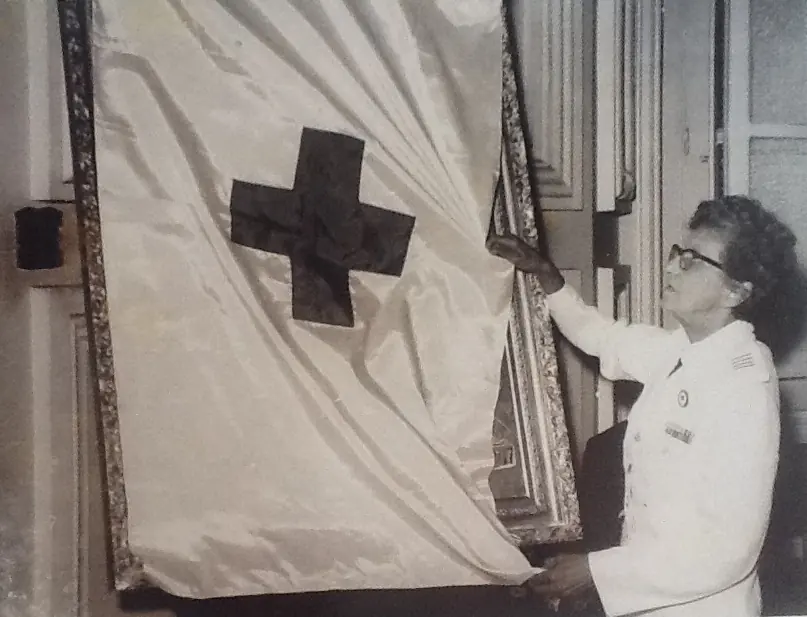
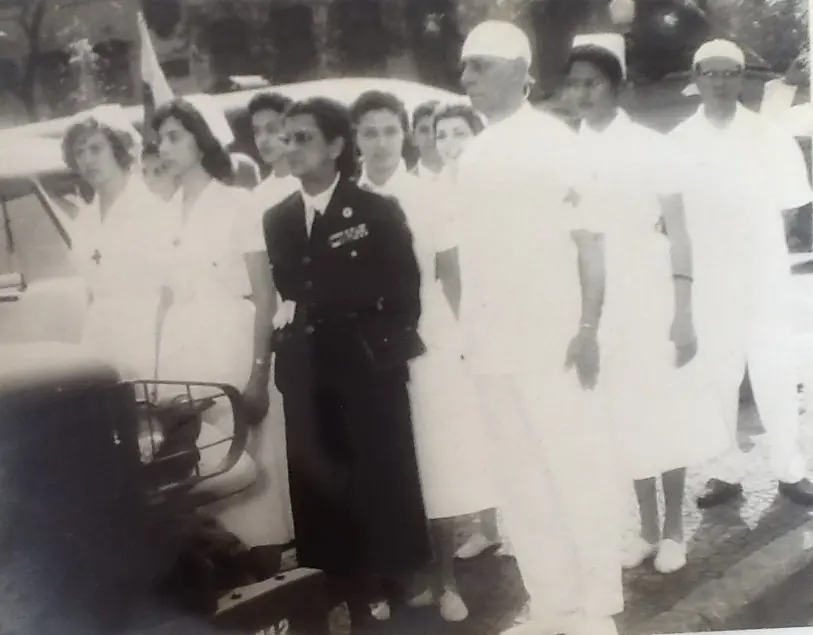
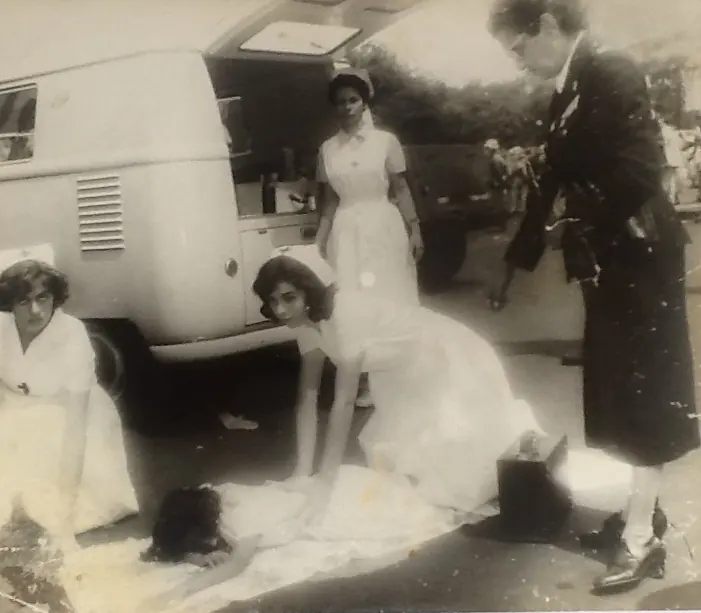
From the founding in 1908 to the Red Cross Palace, in central Rio de Janeiro
The Brazilian Red Cross (BRC) was founded in Rio de Janeiro in 1908. Its first nursing courses began in the city in 1914, and the city is home to the Red Cross Palace, built between 1919 and 1923, whose federal listing was unanimously approved by the Advisory Council of Iphan, Brazil's heritage institute, on 10 November 2021. This page brings together that story, with the School of Nursing, the presidents, the relief operations, the timeline, photographs from the archive and the sources.
The International Red Cross Movement
The Brazilian Red Cross is the National Society of the International Red Cross and Red Crescent Movement in Brazil. The Movement brings together the International Committee of the Red Cross (ICRC), the International Federation of Red Cross and Red Crescent Societies (IFRC) and the National Societies of each country, all guided by the same seven Fundamental Principles: humanity, impartiality, neutrality, independence, voluntary service, unity and universality.
The red cross on a white background is not a brand: it is a protective symbol provided for in the Geneva Conventions. Its colours reverse those of the Swiss flag, in tribute to Switzerland, the country of Henri Dunant, the founder of the Movement[1]. In Brazil, the use of the name and the emblem has been protected by law since Decree No. 2,380 of 1910.
1907 and 1908: the founding
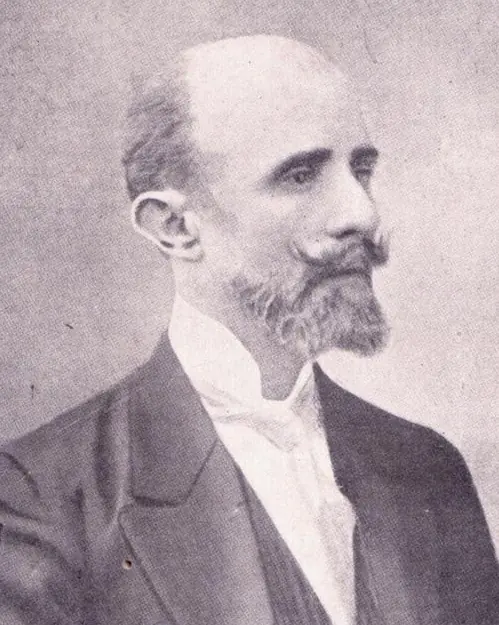
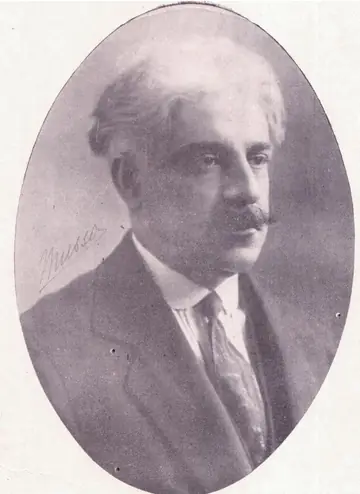
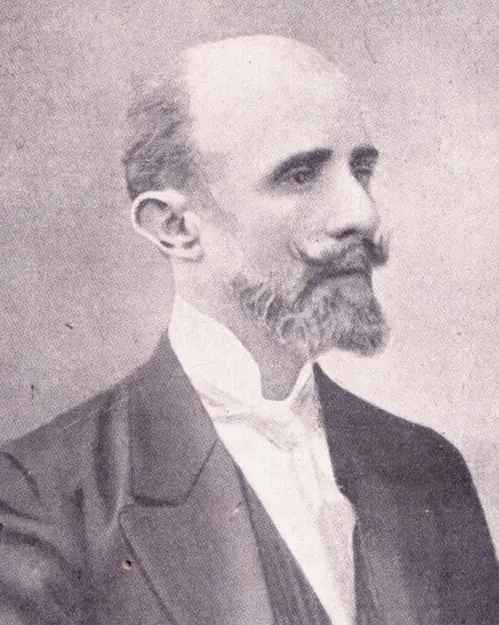
Joaquim Xavier de Oliveira Botelho, forerunner of the movement to found the Red Cross in Brazil.
The history of the Brazilian Red Cross begins in 1907, with the physician Joaquim de Oliveira Botelho, a native of Bahia, who, inspired by the Red Cross Societies he had seen in Europe and Argentina, wanted to see one working in Brazil. On 17 October 1907, at a meeting of the Rio de Janeiro Society of Medicine, in what was then the federal capital, he succeeded in having the foundations of the organisation laid[2, 3]. On 31 December of the same year, a provisional board was acclaimed, with the public-health physician Oswaldo Cruz as president and General Gregório Thaumaturgo de Azevedo as vice-president[2].
For months the society stood still: the president was abroad and, after his return, his public-health duties took up his time. Urged by a letter from the vice-presidents and the secretary-general, Oswaldo Cruz declined the post and passed all his duties to the 1st vice-president, Thaumaturgo de Azevedo[2, 4].
On 5 December 1908, at a meeting in the hall of the Rio de Janeiro Geographical Society, the society's statutes were discussed and approved. That is the official founding date of the Brazilian Red Cross, and Thaumaturgo de Azevedo was elected to lead it, a post he held until 1918[2, 4].
1910 to 1919: recognition and the first branches
On 31 December 1910, Decree No. 2,380, which has the force of law, regulated Red Cross associations in the country and protected the name and the red cross sign. It is through this decree that the Brazilian government officially recognises the Brazilian Red Cross, as the current Statute records. The decree required a federative arrangement, with a Central Body in the federal capital to coordinate the efforts of each association[2]. On 16 March 1912, the ICRC recognised it as the National Society of Brazil and, on 13 June of the same year, Decree No. 9,620 recorded that it was the only society organised under that rule and declared it to be of national character and of international utility[2].
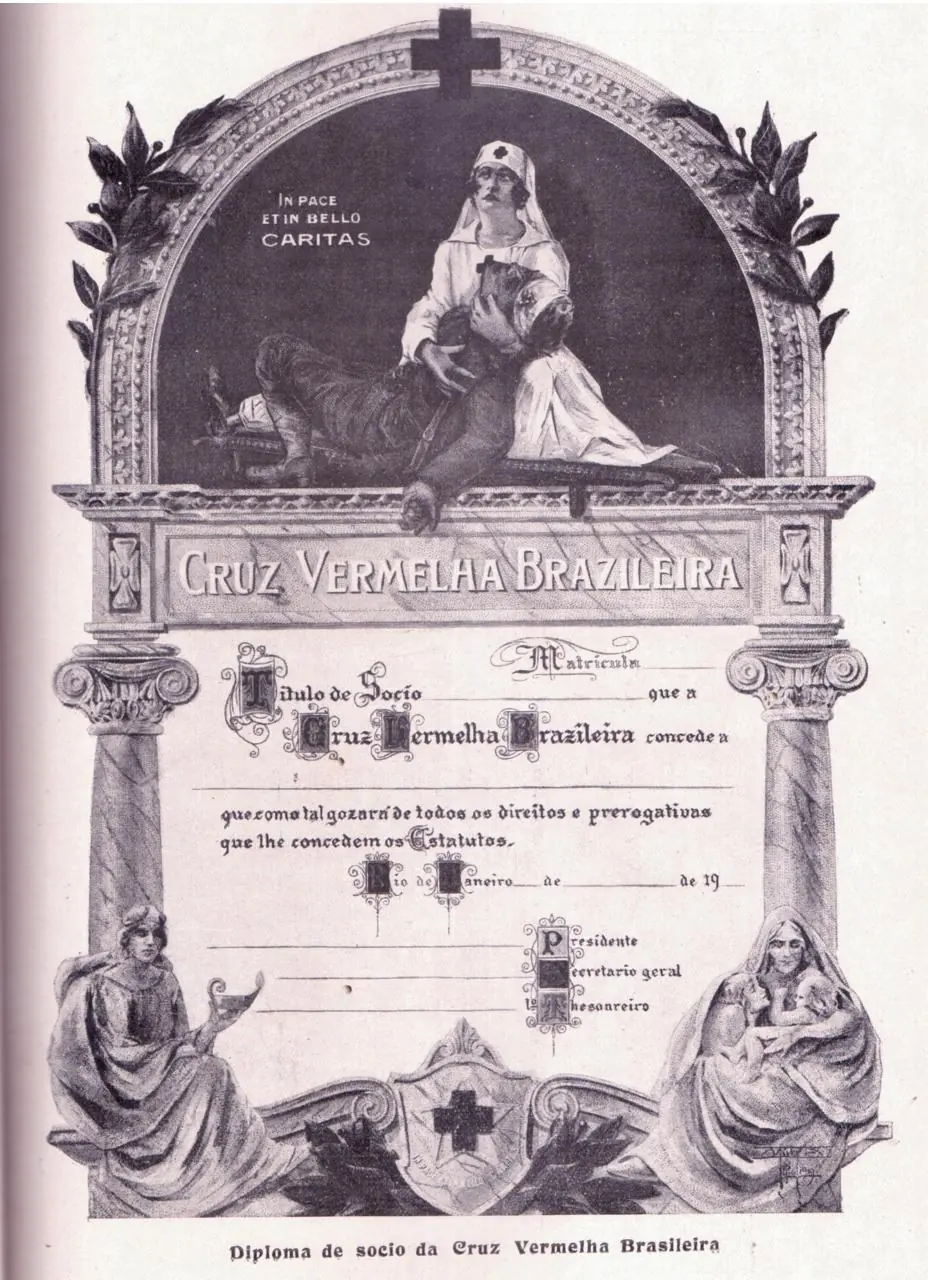
Member's diploma of the Brazilian Red Cross.
The network of branches began in 1912 with the São Paulo branch, founded by the Belgian physician Marie Rennotte[2, 3]. Minas Gerais followed in 1914 and Amazonas in 1916[2]. On 17 June 1919, the Brazilian Red Cross was admitted to the League of Red Cross Societies, created that year and now called the IFRC, as recorded in article 7 of its current Statute.
The Red Cross Palace
In 1911, the Brazilian Red Cross asked the Federal Government for a plot of land in central Rio de Janeiro. Only in 1916 did the Government, authorised by the National Congress, grant it: the area, on the Morro do Senado, was bounded by what was then Praça Vieira Souto and by Rua Henrique Valadares, Rua Prefeito Barata (today Ubaldino do Amaral), Rua Carlos de Carvalho and Rua Carlos Sampaio, and covered 6,789 m²[5]. The hill had been levelled between 1880 and 1906; in the urban reforms under Mayor Pereira Passos, the site acquired the circular layout it still has. The square, at the crossing of Avenida Henrique Valadares, Avenida Mem de Sá and Rua Carlos Sampaio, was named Praça da Cruz Vermelha because it stands in front of the Red Cross Hospital[6].
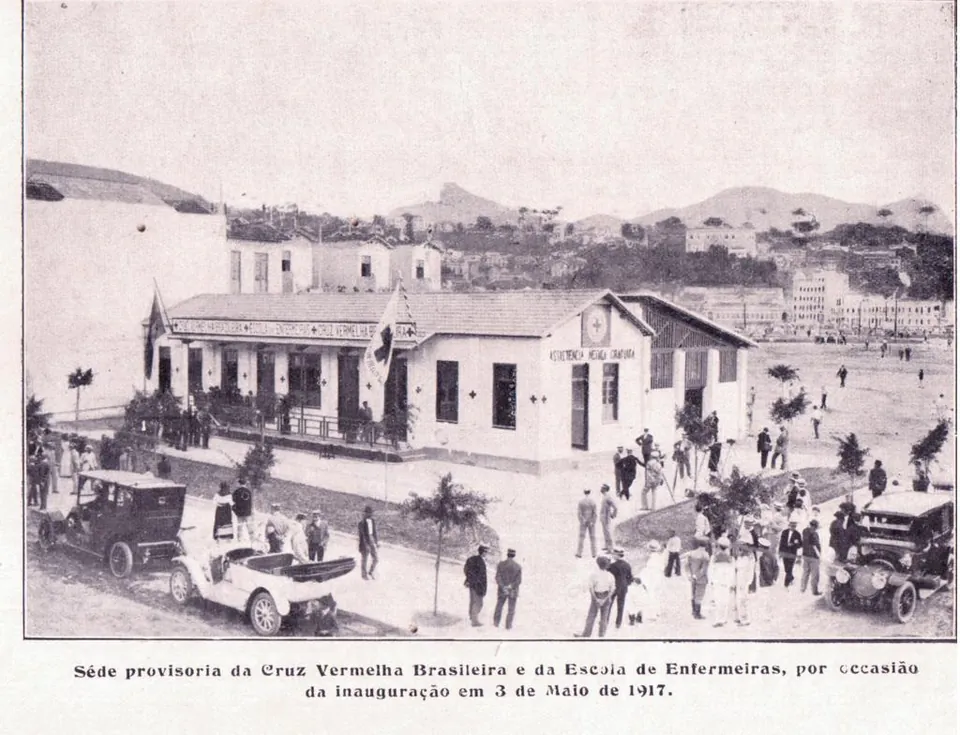
The provisional headquarters came first: a building facing Rua Prefeito Barata, meant for the Practical School of Nurses, opened on 3 May 1917. Attached to the School was a dispensary offering free medical care, which also served the course's practical teaching[5].
The provisional headquarters of the Brazilian Red Cross and the School of Nurses, at the opening, on 3 May 1917.
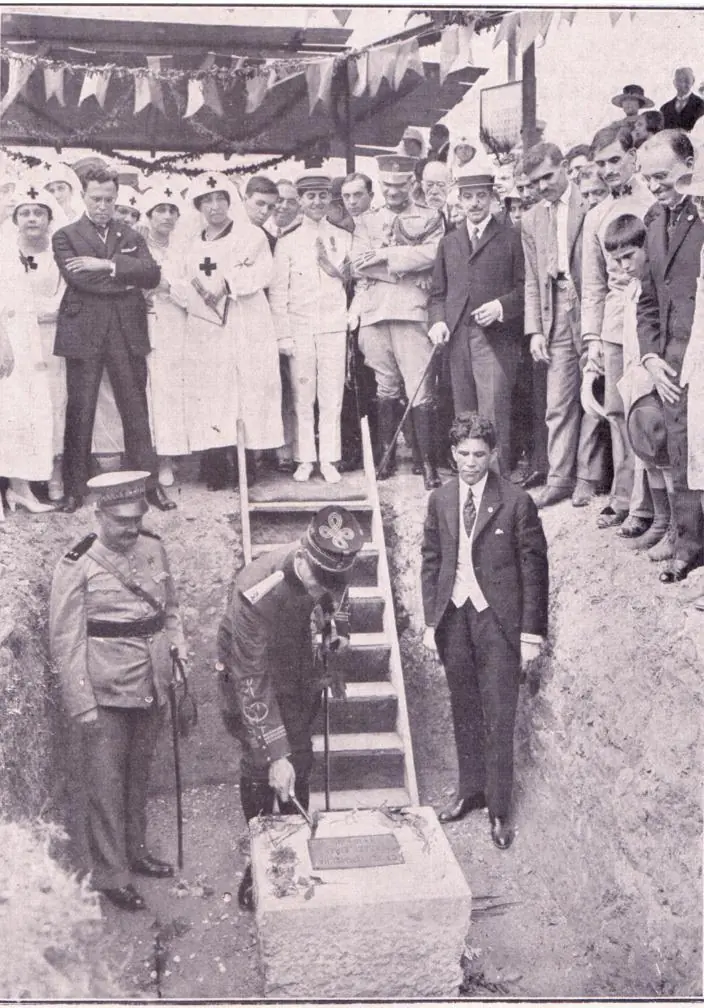
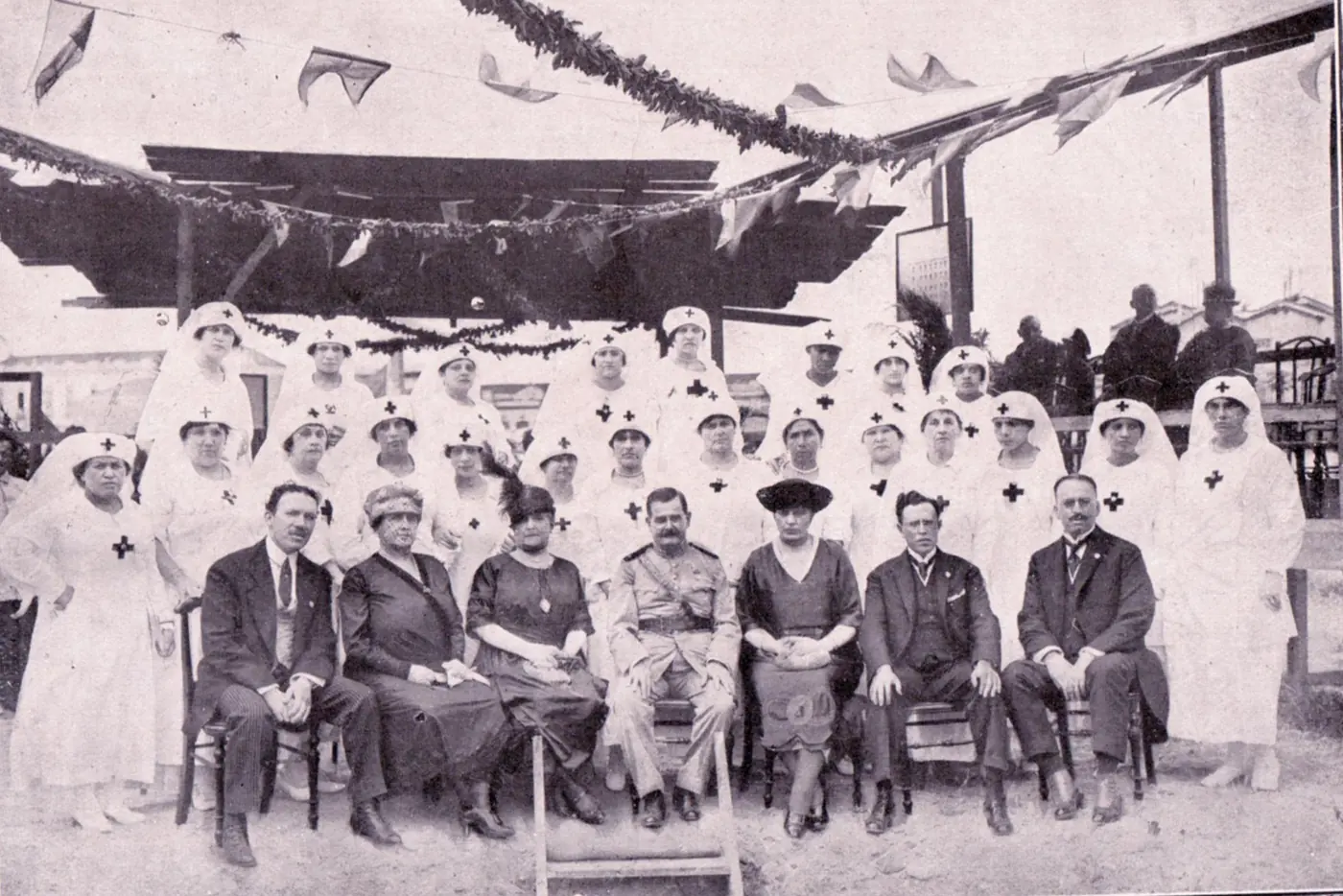
After the new board was elected in 1918, under the presidency of Miguel Calmon Du Pin e Almeida, the construction of the building that would house the headquarters received special attention; the foundation stone was laid on 5 October 1919, at the same ceremony in which armbands and diplomas were presented to nurses[5, 7, 4].
Laying of the foundation stone of the permanent Brazilian Red Cross building, on 5 October 1919.Nurses and guests at the ceremony of 5 October 1919, when armbands and diplomas were presented.
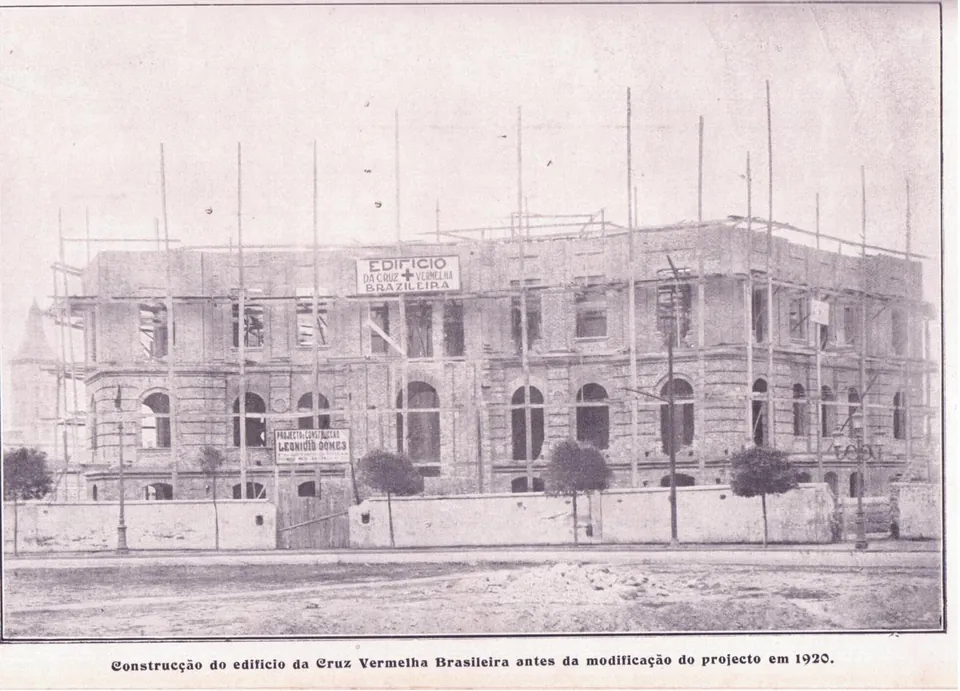
The design of the headquarters building, chosen through a public competition, is by the Italian architect Pedro Campofiorito (1875–1945)[8, 9]. Construction began on 5 October 1919, and the building was inaugurated in 1923[8]. In 1920, the BRC agreed to the request of the then mayor, Carlos Sampaio, that the façade of the new building reach the level of Praça Vieira Souto, evening out the line of the houses around the square[5].
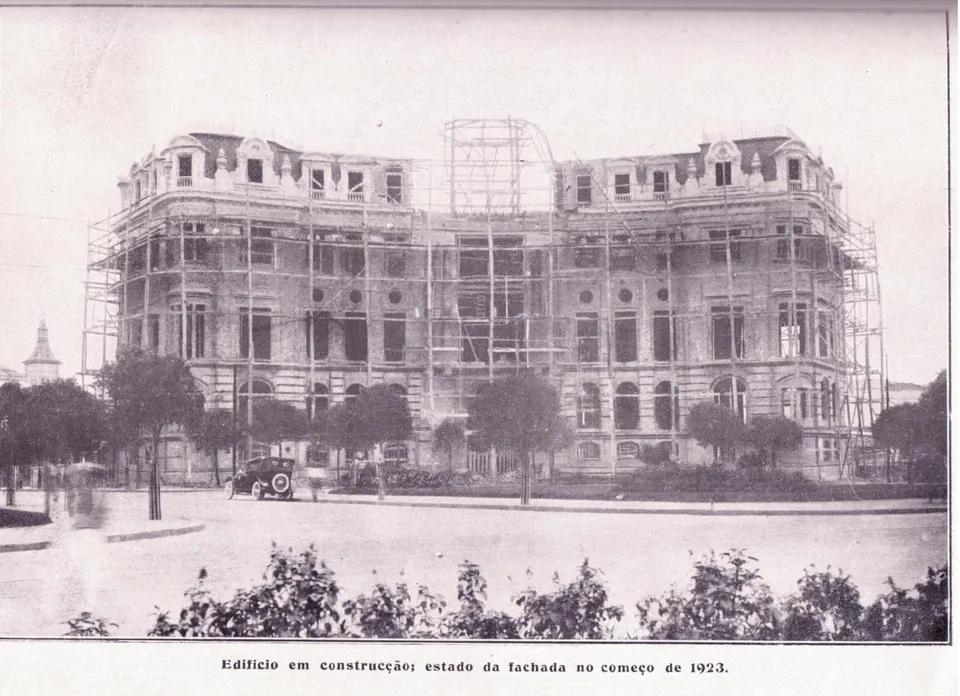
The construction before the design was modified, in 1920.The state of the façade in early 1923, the year of the inauguration.
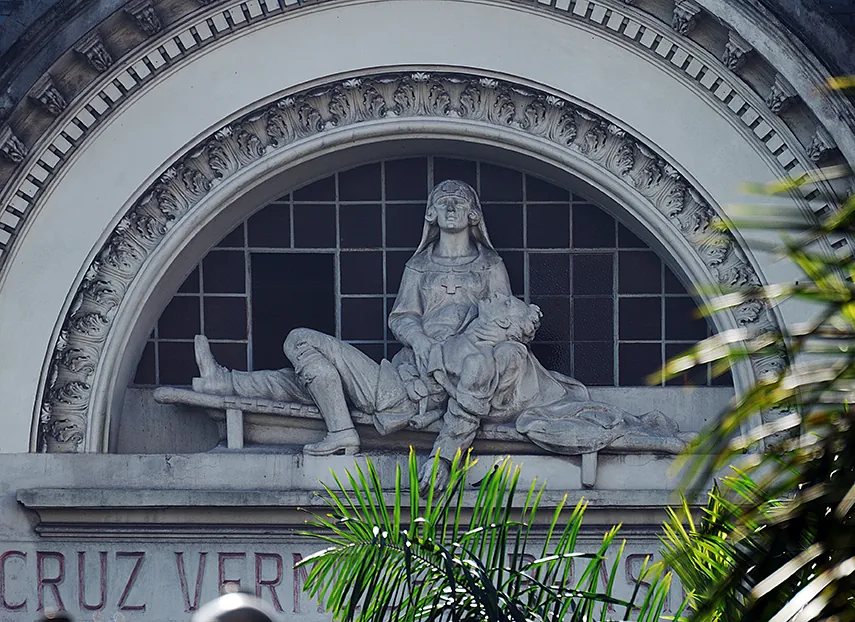
It is an eclectic building, the standard of official Republican architecture at the time, with a structure of stone and solid brick[9]. The main façade follows the circular outline of the square, and the façades, the roof, the staircases and the volume of the hall are among the protected elements[8]. In June 1924, some outpatient activities were moved to the first floor; the headquarters was only fully occupied in 1930 and, on 8 September of that year, it hosted the BRC's first Extraordinary General Assembly, still under the Praça Vieira Souto address[5, 4].
Façade detail: the sculptural group above the main entrance.Photo: blog O Rio que o Rio não vê
The building is listed as municipal historic heritage of the city of Rio de Janeiro: the Iphan minutes cite Municipal Decree 6,932 of 8 September 1987 (the BRC Memory Centre records the year as 1984[5]). Federal listing was requested by the Brazilian Red Cross itself in September 1988[9]. The National Historic and Artistic Heritage Institute (Iphan) published the provisional listing in July 2021, and the Advisory Council for Cultural Heritage unanimously approved the listing on 10 November 2021, at its 98th meeting, with the building entered in the Historical Register (Livro do Tombo Histórico)[8].
The School of Nursing
Training nurses is one of the hallmarks of the Red Cross in Rio de Janeiro. The history of the School is intertwined with that of nursing in Brazil itself: it was the First World War (1914–1918) that awakened public interest in volunteer service[7].
Background
A system for preparing staff for psychiatric hospitals was organised in 1890, with Decree No. 791, which set the requirements of the course to “prepare male and female nurses for civil and military asylums”. In the same year the Samaritan Hospital was founded in São Paulo, which hired English nurses trained at Florence Nightingale's school. It was probably the pioneer of the Nightingale model in the country, but it did not gain renown: it was a private hospital, of non-Catholic orientation and outside the capital of the Republic[7].
The Red Cross Ladies (1914)
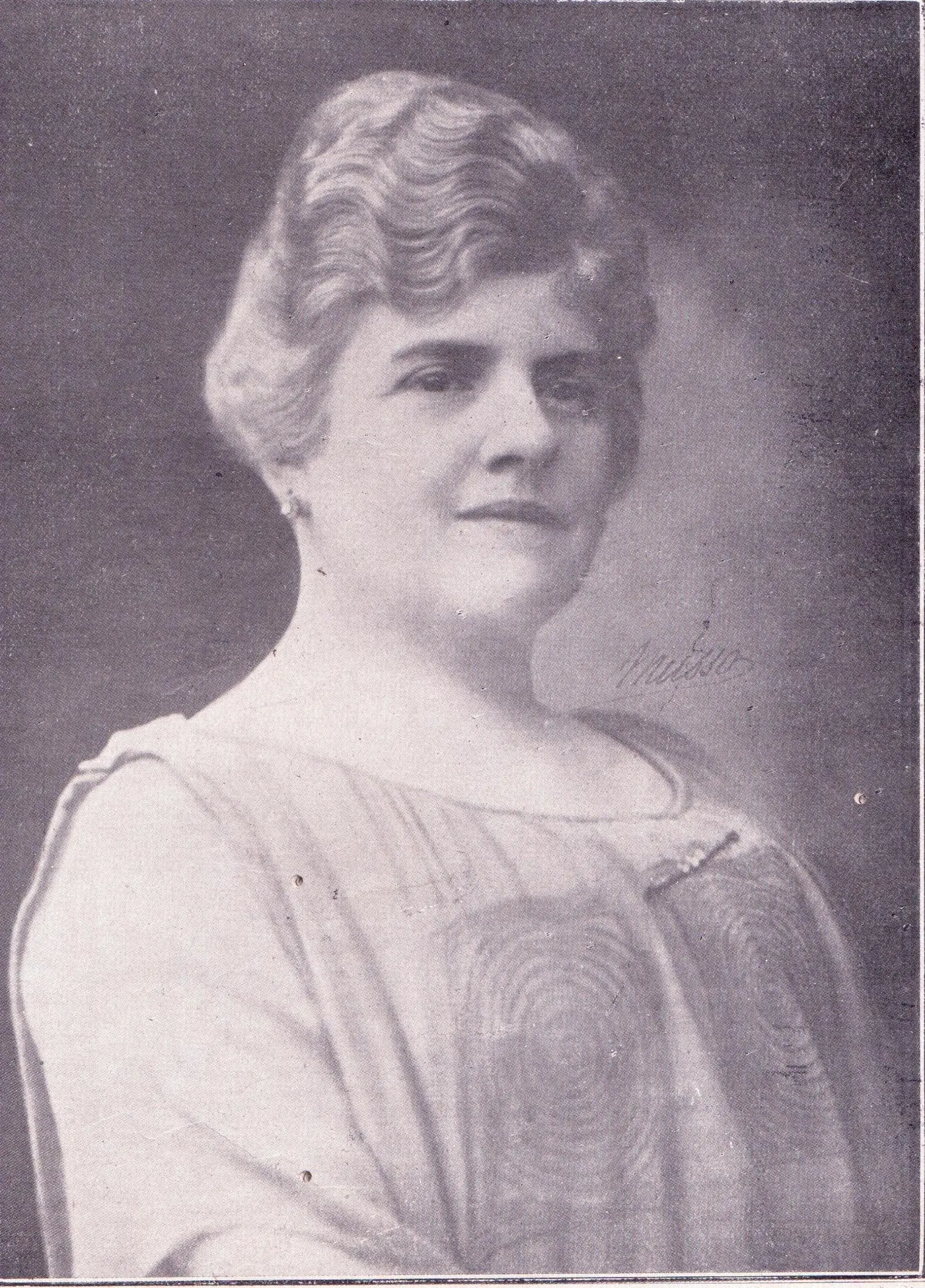
Heloisa Loureiro Leal, who led the group of Rio society women that formed the Brazilian Red Cross Ladies' Committee in 1914.
In 1914, a group of Rio society women, led by Heloisa Loureiro Leal, formed the committee “Ladies of the Brazilian Red Cross”. On 23 September, they asked the BRC president to recognise the committee as the institution's women's section, with the aim of setting up a school of volunteer nurses. The Women's Section was incorporated into the BRC by the General Assembly of 3 October 1914[7].
The first course, for the corps of Volunteer Nurses, had its inaugural classes on 20 October 1914, in the main hall of the insurance company A Equitativa, with the then army medical colonel Antônio Ferreira do Amaral heading the course; practical classes were held at the Central Army Hospital, the Military Polyclinic and the Santa Casa de Misericórdia[7, 4]. At the end of 1914, eighteen nurses graduated, among them the Countess of Souza Dantas, Henriqueta Capanema, Idália de Araújo Porto Alegre and Heloisa Loureiro Leal herself[7].
Programme of the first Volunteer Nurses course
Part 1. General considerations on the work of the Red Cross and of volunteer nurses, with notions of personal and public hygiene; general notions of human anatomy and physiology; thermometry, pulse and respiration; surgical instruments and the most common surgical cases; asepsis and antisepsis, anaesthesia; dressings, bandages and apparatus in general, the operating room.
Part 2. General duties of the Red Cross Ladies towards doctors and patients, hospitals and wards; hypodermic, intramuscular and intravenous injections, balneotherapy and massage; carrying out medical prescriptions; nurses' duties before, during and after an operation; organisation and operation of the Red Cross in the field, field hospitals and the Geneva Conventions. There were monthly visits to the Central Army Hospital and other civil and military health institutions[7].
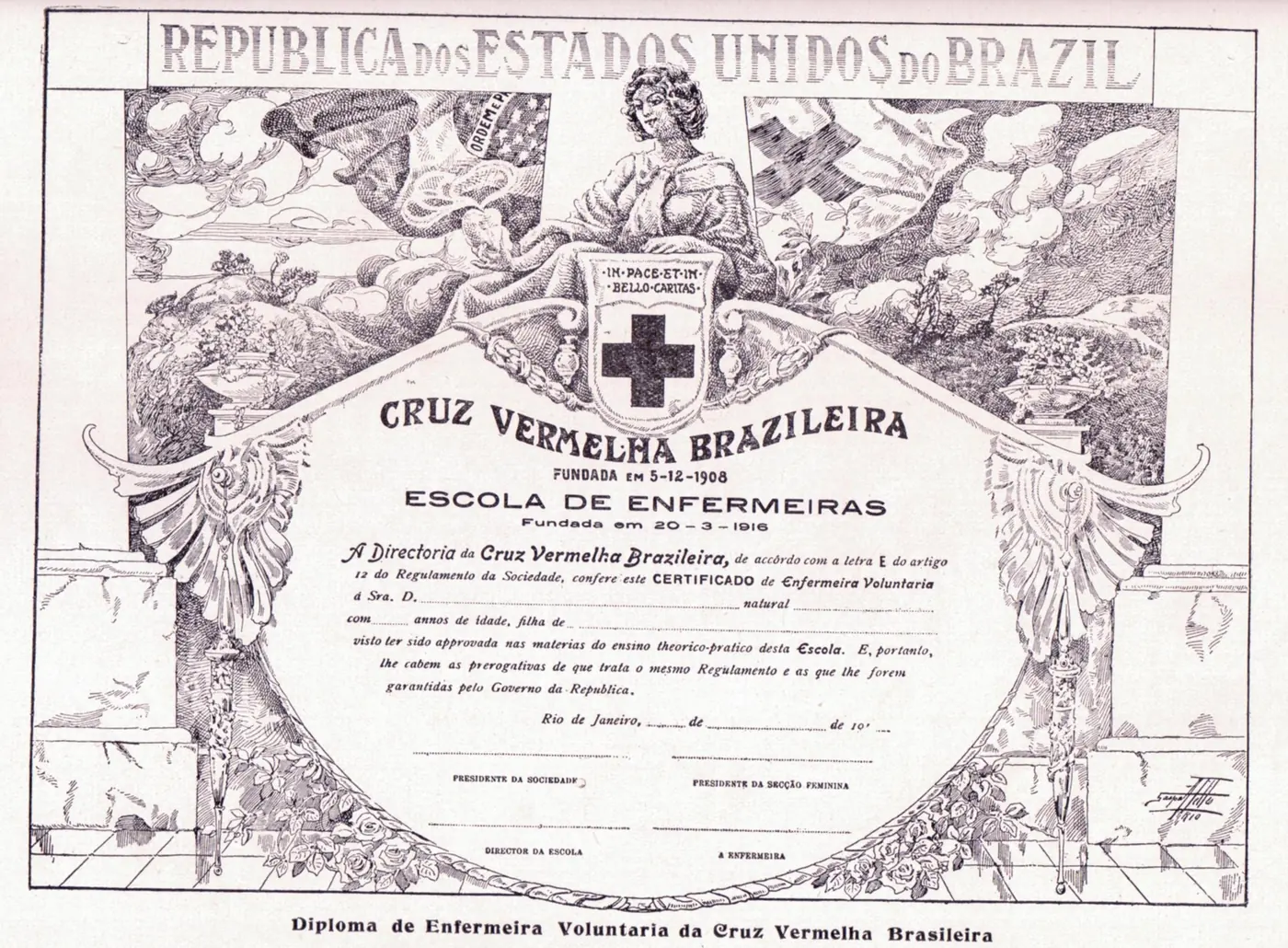
Volunteer Nurse diploma of the Brazilian Red Cross.Professional Nurse diploma of the Brazilian Red Cross.
The Practical School of Nurses (1916)
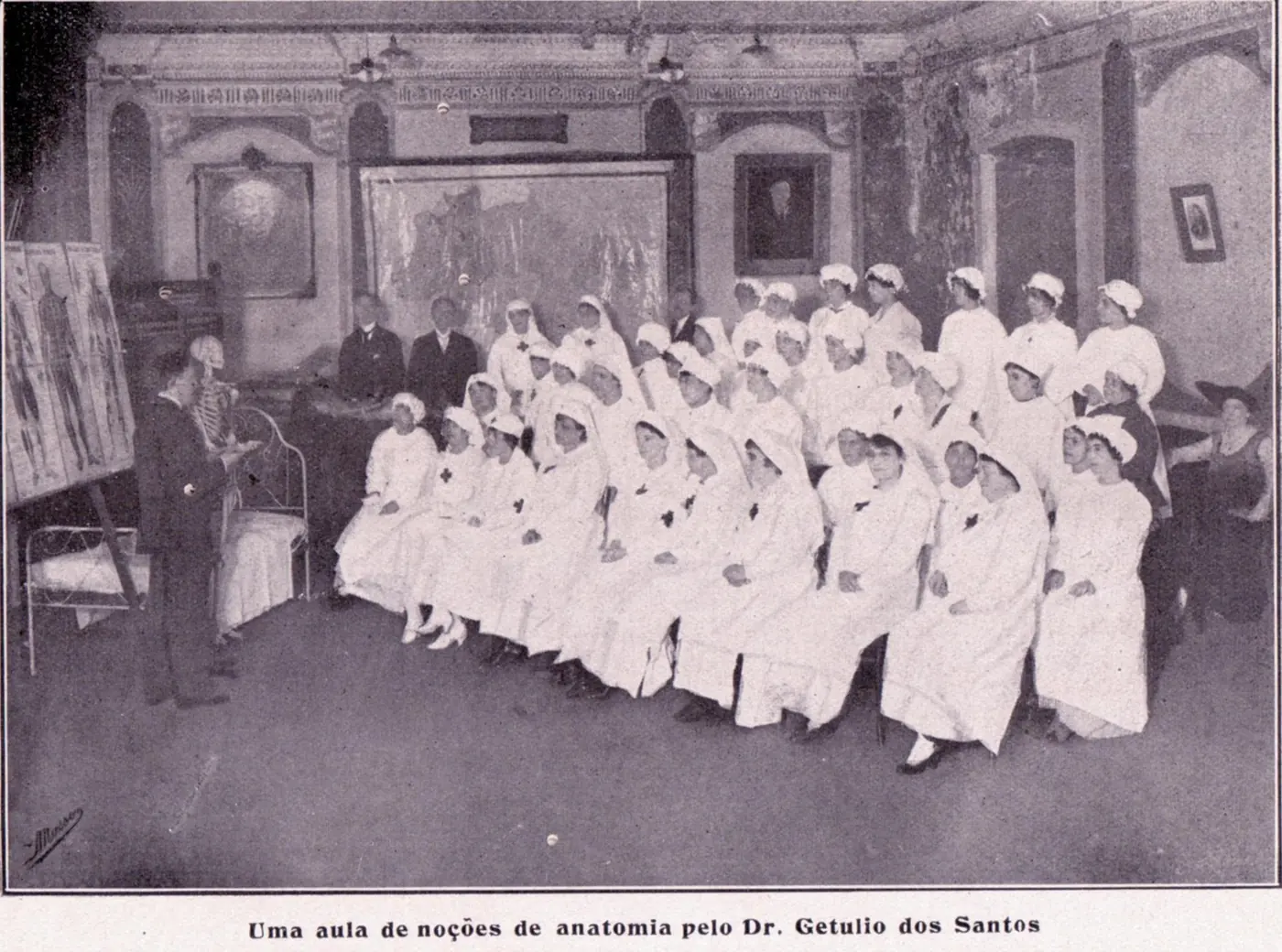
From the graduated nurses came the initiative to extend the course to train professionals. Thus the Practical School of Nurses was born, the first of its kind founded in the country, created in March 1916[10, 2, 7]. Its first director and teacher was Dr. Getúlio dos Santos, an army physician. In the inaugural lesson, he cited the schools already established in Buenos Aires (1885), Chile (1902) and Cuba (1906) and described the ideal nurse: strong, calm, precise, patient, discreet and faithful to duty, with a moral role beside the patient, as a “natural confidante” and “affectionate companion in the long hours of vigil”[7].
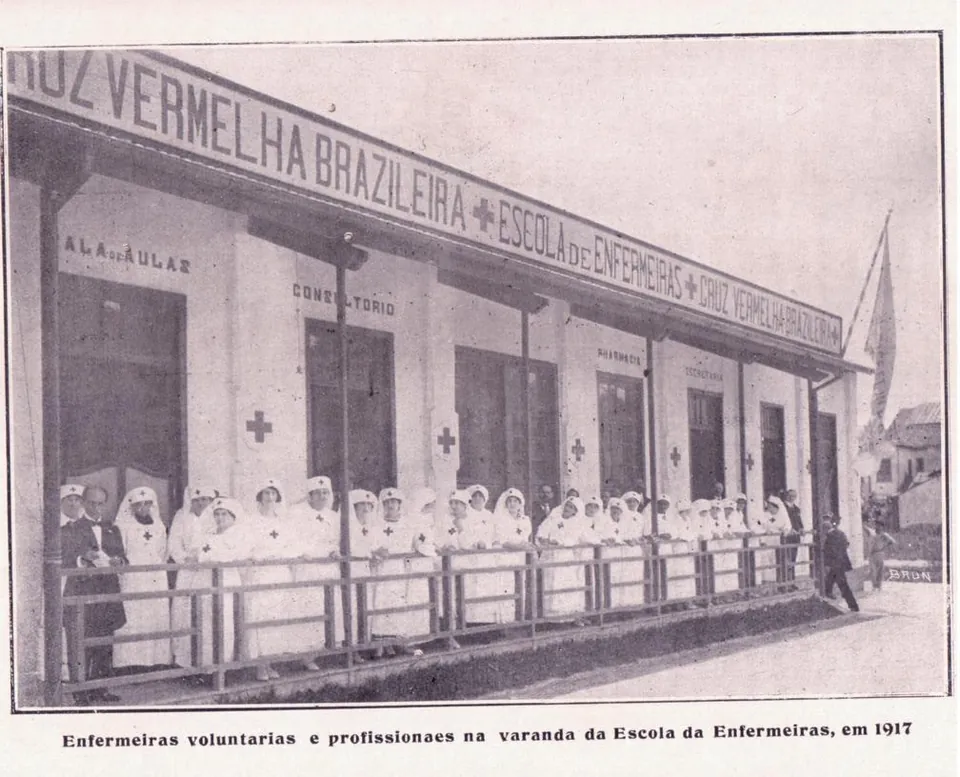
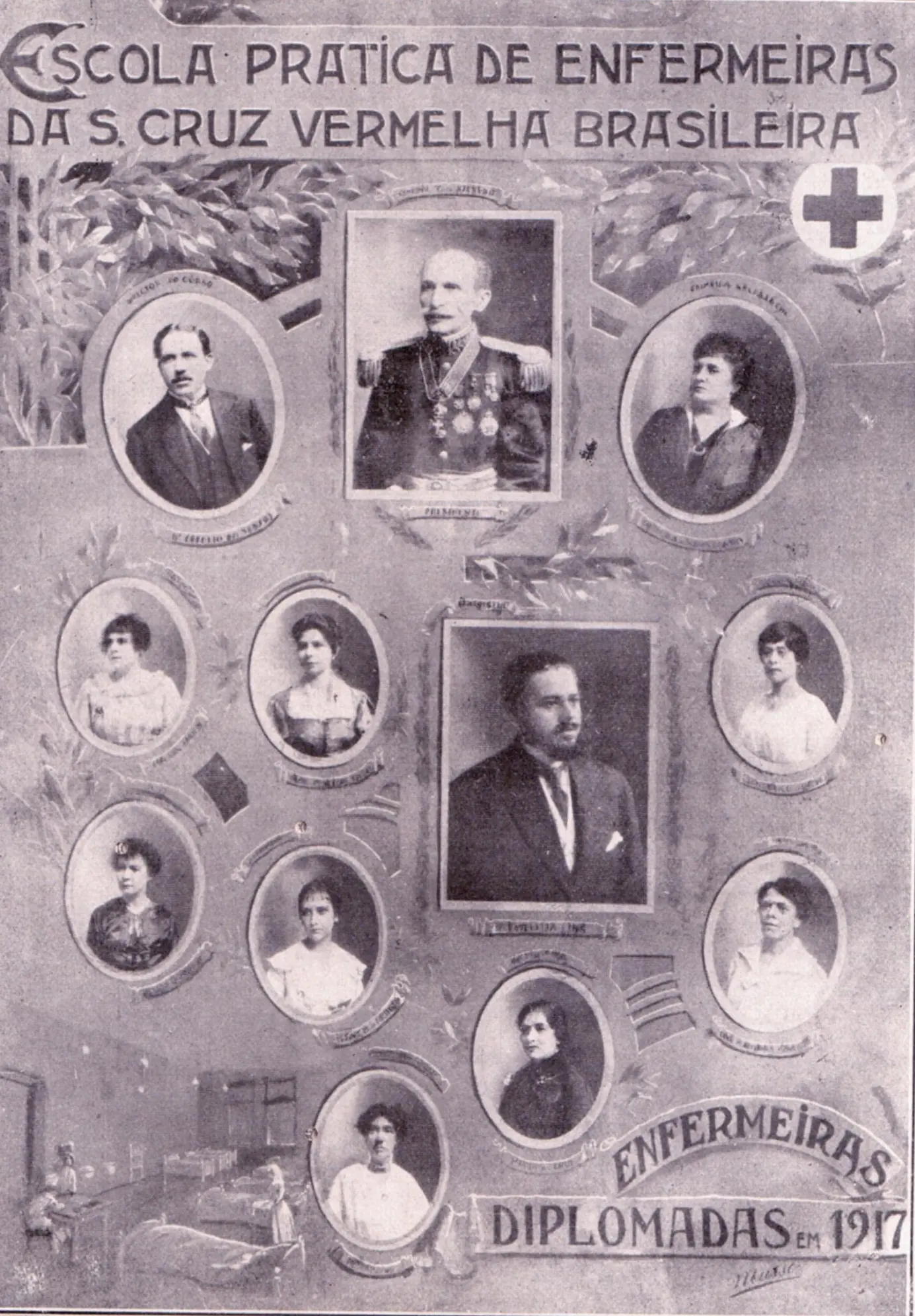
The first class of professional nurses received their diplomas on 3 May 1917, at the official opening of the provisional headquarters, at Rua Prefeito Barata, No. 75: eight nurses, with Dr. Estellita Lins as class sponsor and Irany Baggi de Araújo as speaker. Mrs. Hermínia Ottoni, wife of the founding member Dr. Julio Ottoni, served as godmother of the building[1, 7]. Also in 1917, the professional course became two years long, the statutes were amended and the curriculum was expanded[7].
Volunteer and professional nurses on the veranda of the School of Nurses, in 1917.Nurses who graduated in 1917.
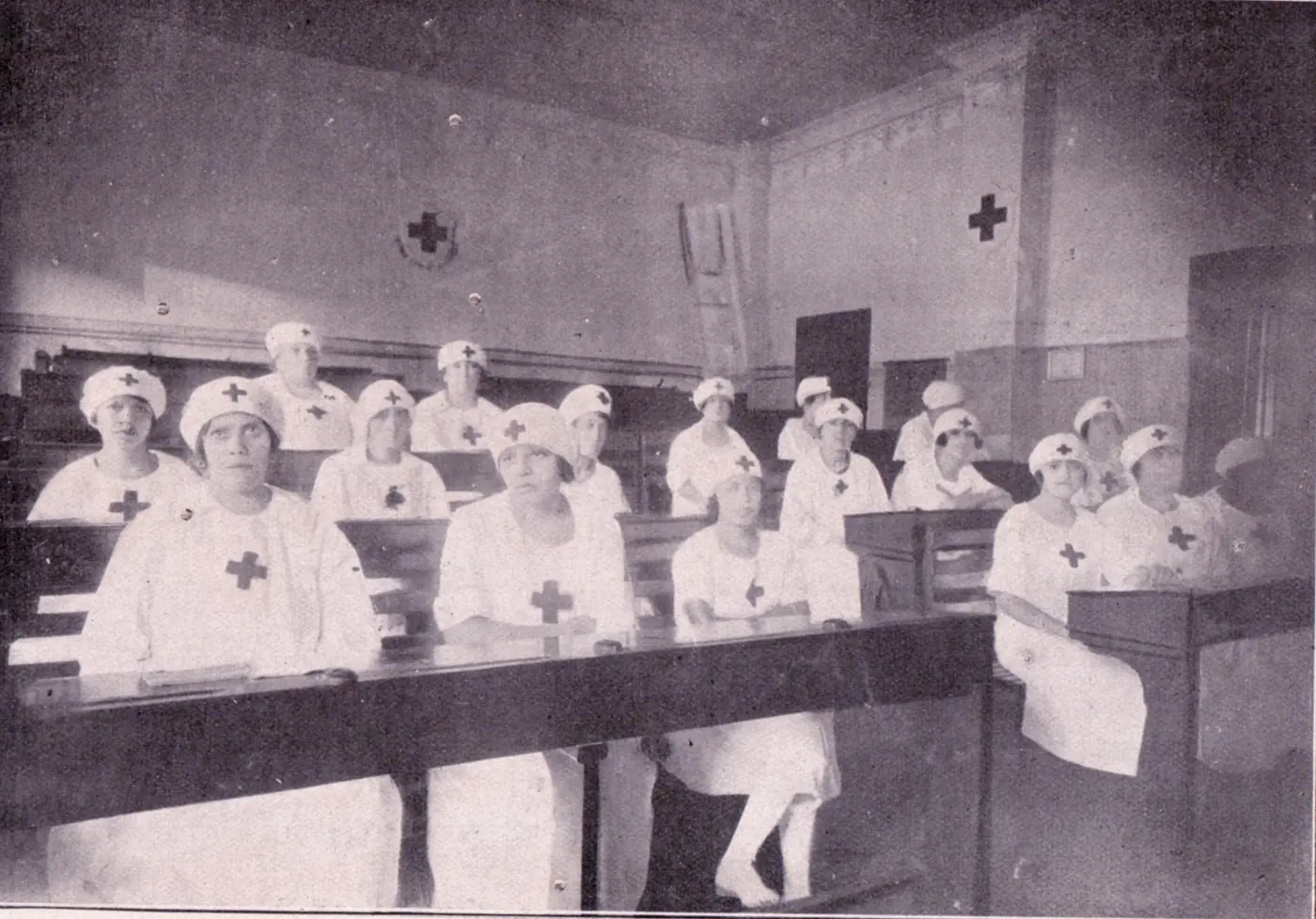
A class on the basics of anatomy taught by Dr. Getúlio dos Santos.Students in a classroom of the School of Nurses.
Teaching staff in the early years
Director: Dr. Getúlio dos Santos. 1st year: Anatomy and Physiology (Dr. Getúlio dos Santos), Care of Medical Patients (Dr. Amaury de Medeiros) and Hygiene (Dr. Abdon Eloy Lins). 2nd year: Care of Surgical Patients (Dr. Estellita Lins), Care of Pregnant Women and Newborns (Dr. Carlos Eugênio Guimarães) and Domestic Economy (Mrs. Idália de Araújo Porto Alegre), the only woman appointed a teacher at the School between 1916 and 1923[7].
The volunteer nurses course ceased to operate with the signing of the peace treaty, after graduating 66 nurses, although 178 ladies and young women had attended it[7]. In this way the BRC introduced the regime of qualified nursing in Brazil, in place of the services of midwives and self-taught carers[7].
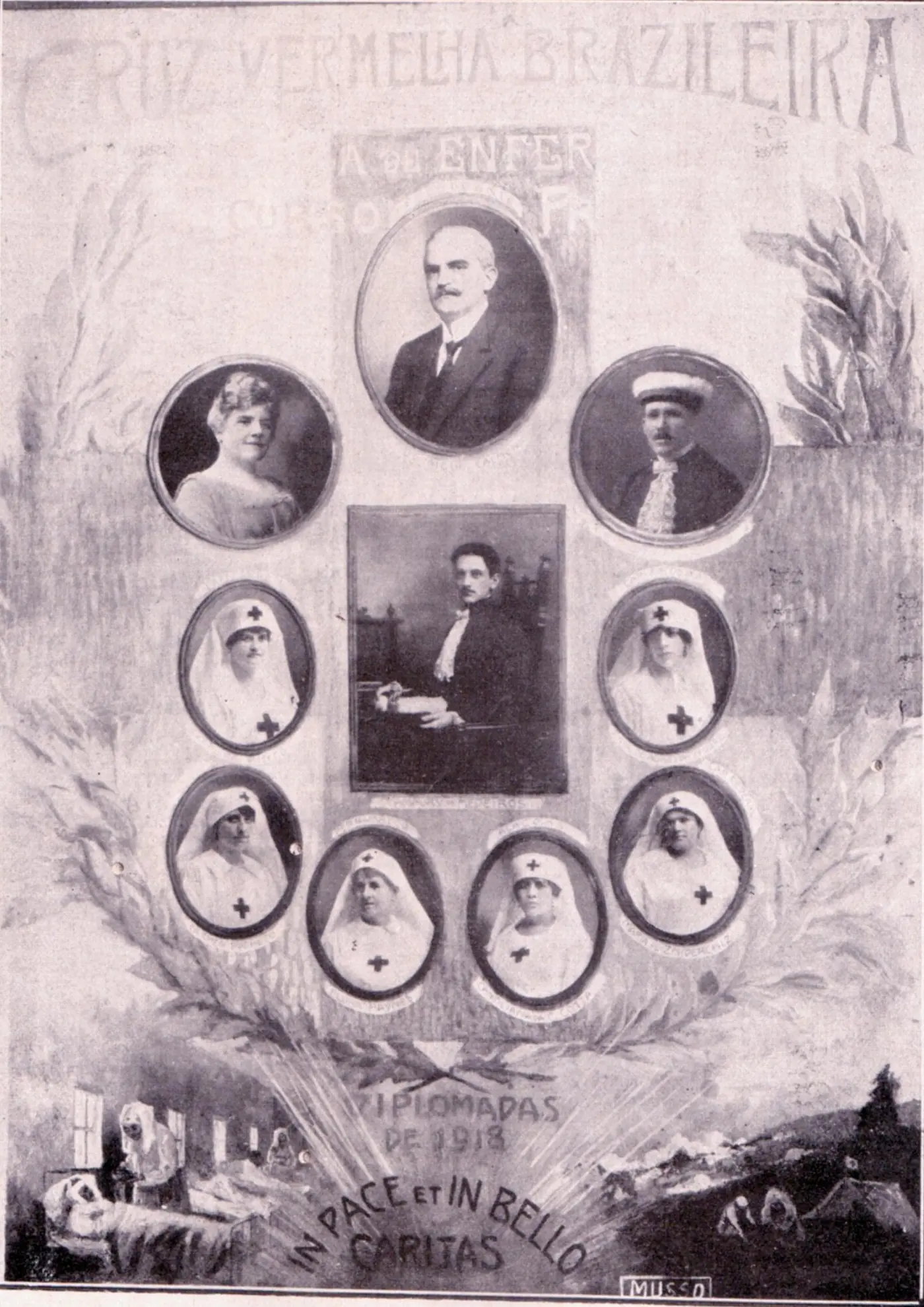
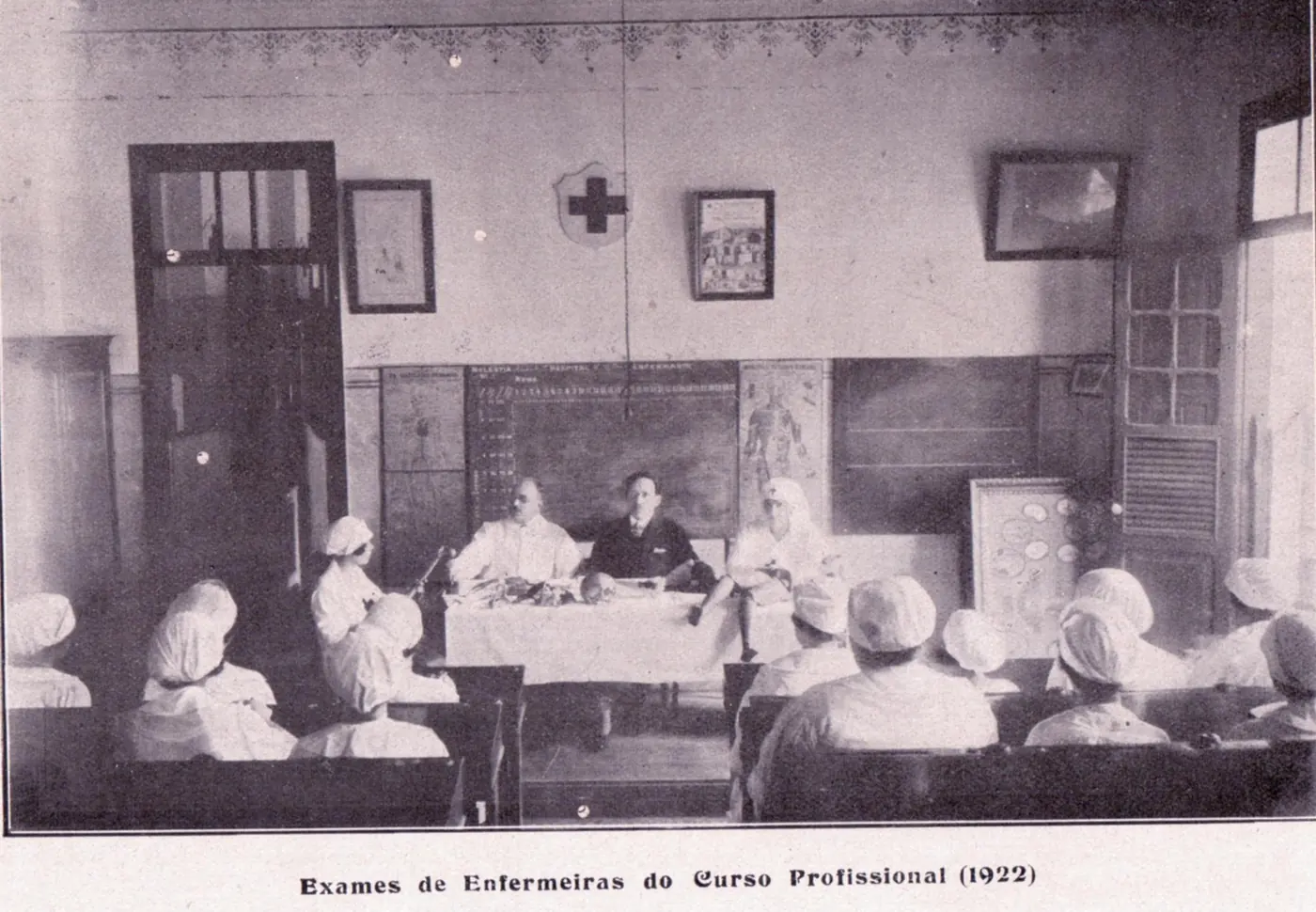
Nurses who graduated in 1918, under the motto In pace et in bello caritas.Board of the nurses of 1919, 1920 and 1921.Examinations for nurses of the Professional Course (1922).Mrs. Epitácio Pessoa and Mrs. Heloisa Leal visiting the School of Nurses, accompanied by professional and volunteer students.
The Spanish flu of 1918
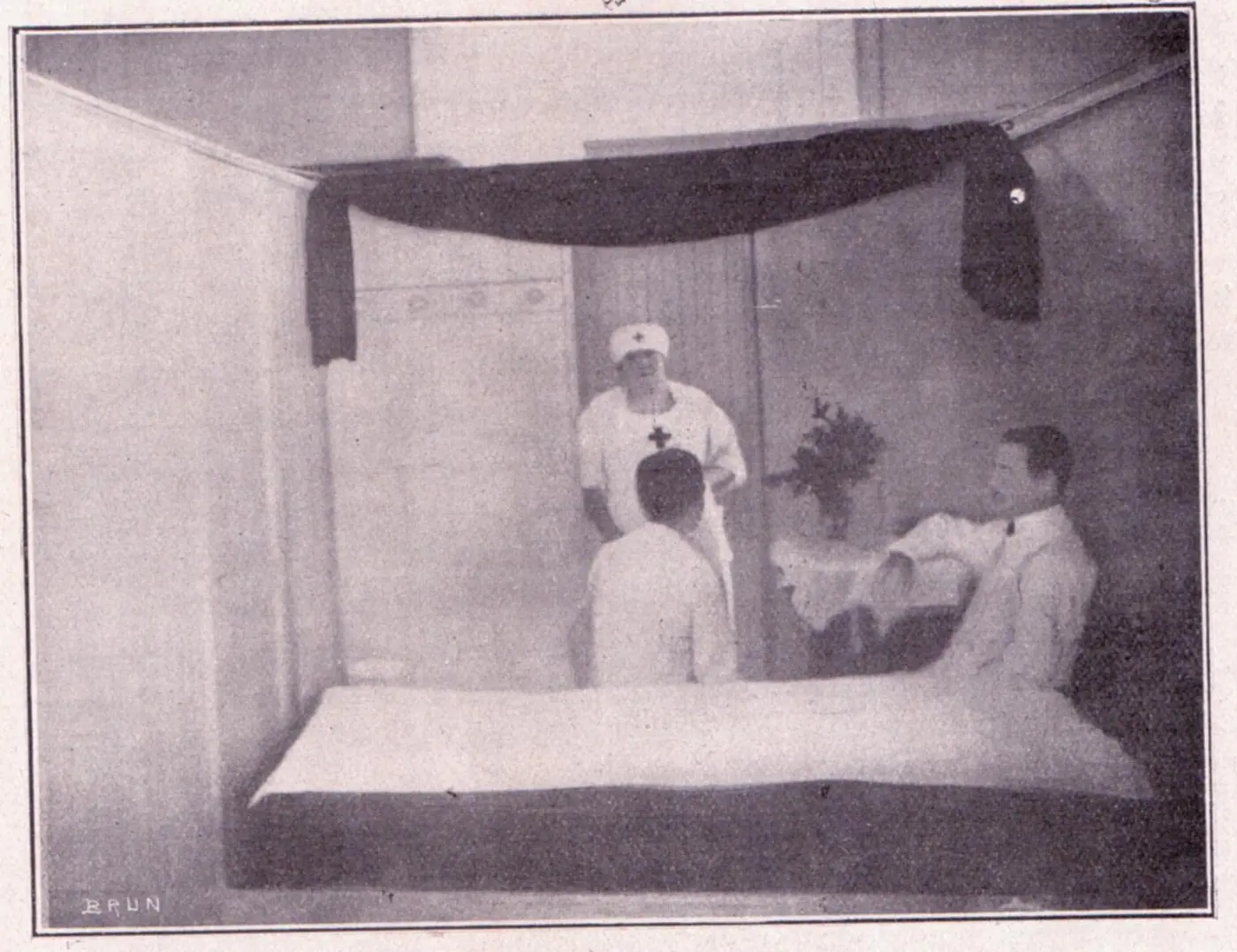
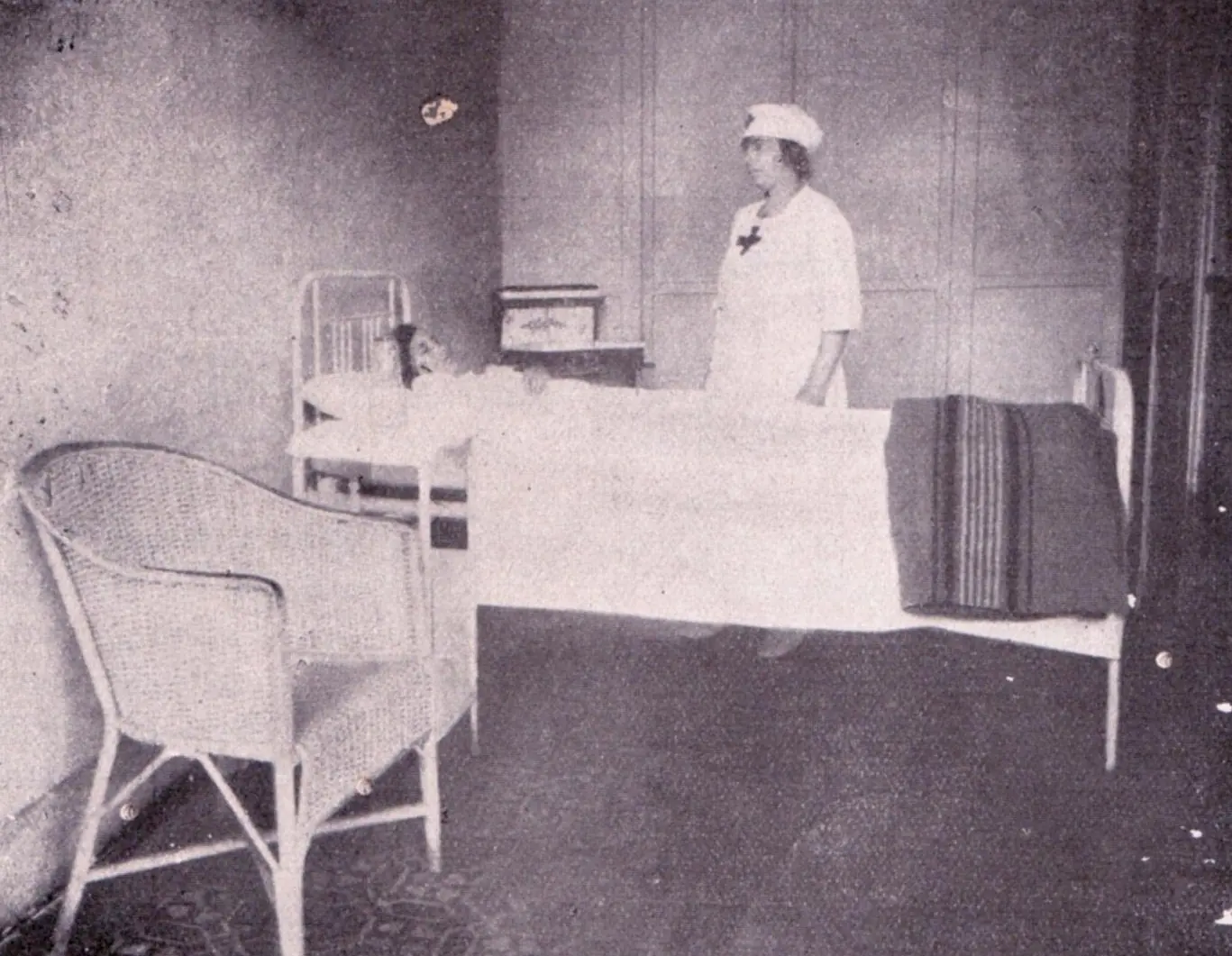
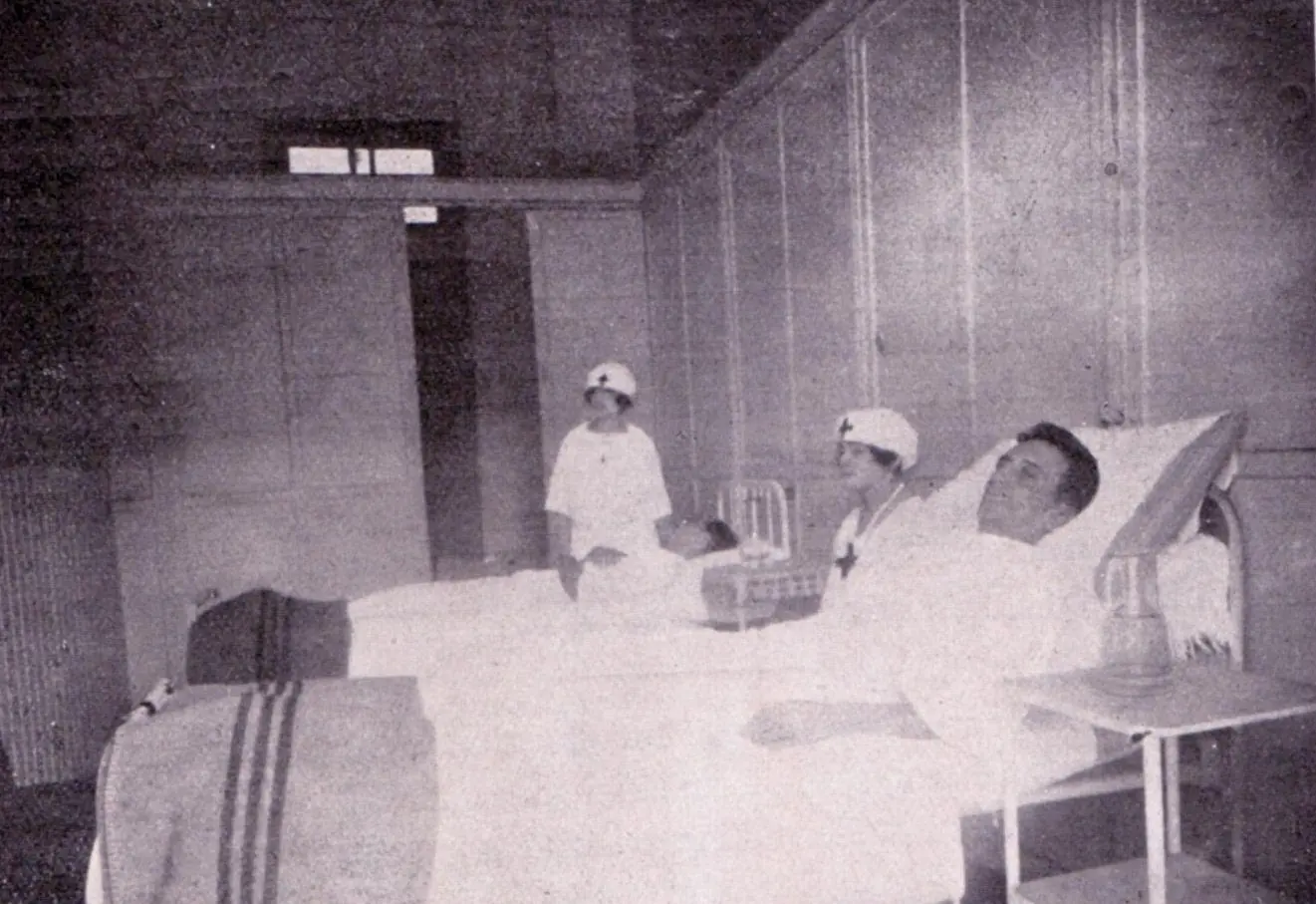
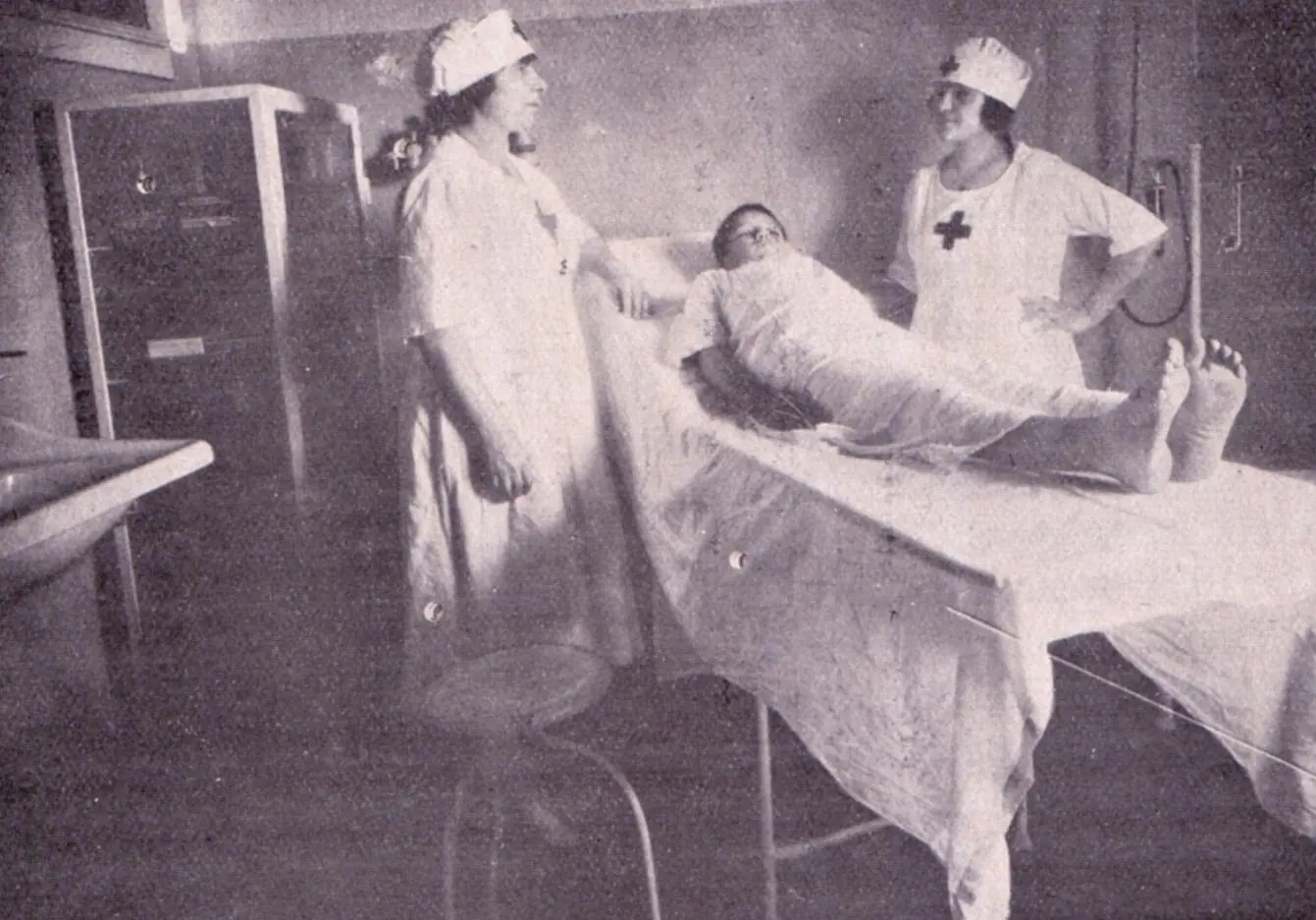
During the Spanish flu epidemic in 1918, the School was turned into an isolation post, and its nurses worked in hospitals, first-aid posts and homes across the city[10, 11]. In October, faced with the lack of public first-aid posts, the director Getúlio dos Santos proposed setting up wards at the School's headquarters: the first beds were installed on 15 October, classrooms became wards and medicines began to be handed out free of charge[7].
According to the director's report, medicines were distributed to 4,084 people and 105 patients were admitted, with 14 deaths. The student nurse Cherubina Angélica Guimarães, who helped in the first days, died of the flu; Getúlio dos Santos himself fell ill and was replaced by Dr. Estellita Lins[7, 5]. The experience was called the “baptism of blood” of the nurses of the class of 1918[7].
Excerpts from Dr. Getúlio dos Santos's report on the 1918 flu
“The doors were closed as in a besieged fortress; inside, the bustle of ordinary work mingled with the long groans of the gravely ill or the impatient, and outside an avalanche of frightened people sought the Red Cross to consult, receive medicines or be admitted to our rooms.”
The consultation and medicine service ran without interruption, day and night. The report records that the classroom, the consulting room, the post-operative room, the sewing hall and the shed were filled with beds, and that the refectory began to operate in the porter's lodge. The patients presented varied clinical forms, and the “more or less classic” treatment included an initial purgative, quinine, aspirin and other painkillers and fever reducers. At the Government's request, the School sent nurses to relief posts created later, including the hospitals of the Deodoro and Nilo Peçanha Schools[7].
Nurses recommended as honorary members: Carolina Pinto, Branca de Barros, Olga Lima, Aurora Caldeira, Helena Gudin, Edith Fraenkel, Abrilina Pires, Dina Nobre, Maria Herminia, Cantiliana Cotta, Alice Snell, Sylvia Souza Leite, Maria Baujean, Idália Porto Alegre, Maria Feliciano dos Santos, Irany Baggi Araújo, Violeta Martins, Annie Berthe Lynnex, Julieta Homem de Mello, Maria Ruy Barbosa Ayrosa, Alice Barbosa, Maria Bittencourt, Hylda Lemos Bastos, Alba Olívia, Gabriella Sá Pereira, Carlota Bastos, Olga Brandão, Alice Cavalcante, Esmeraldina França, Maria Elisa Pitanga, Olga Sharp and Macaria Fernandes Lima[7].
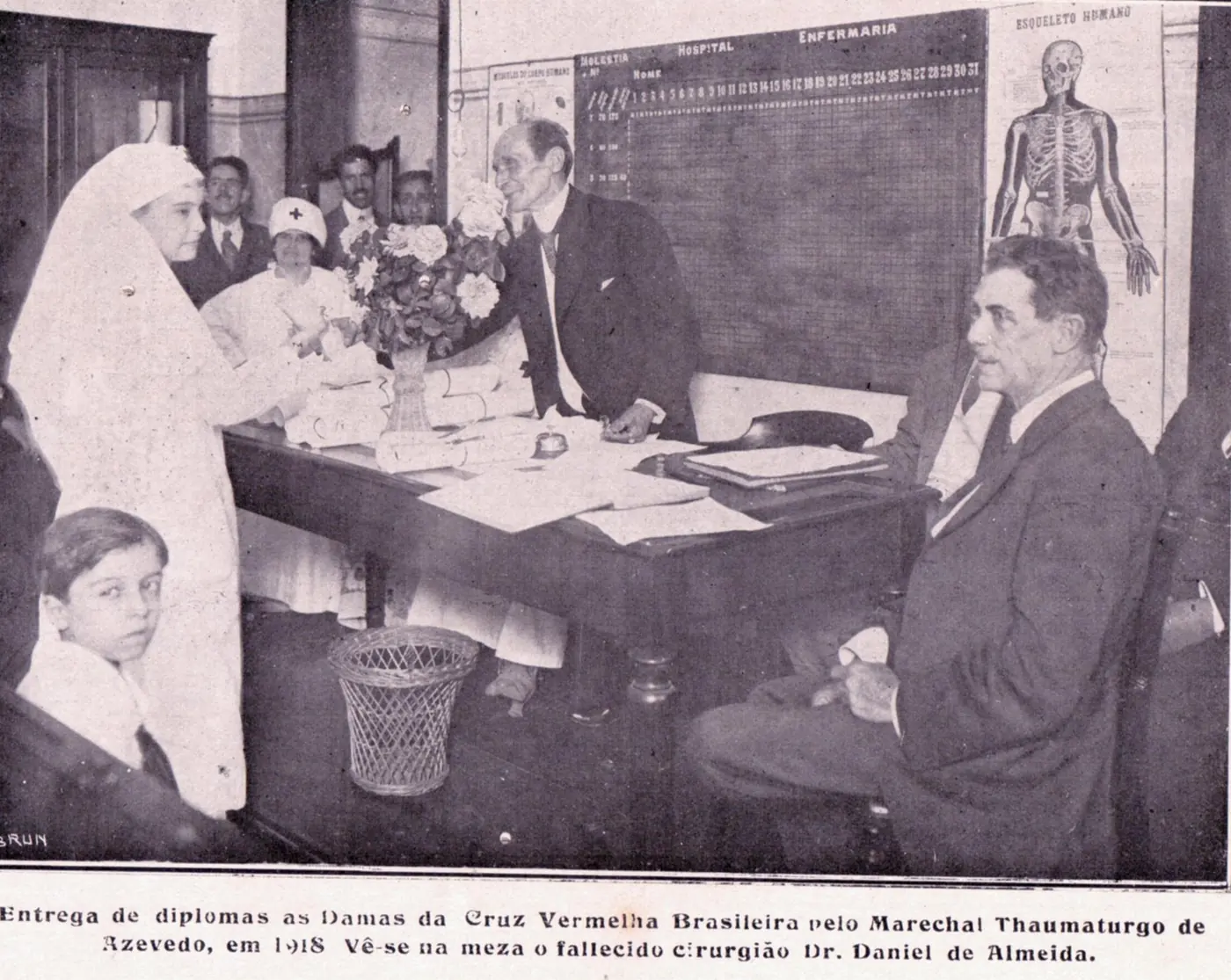
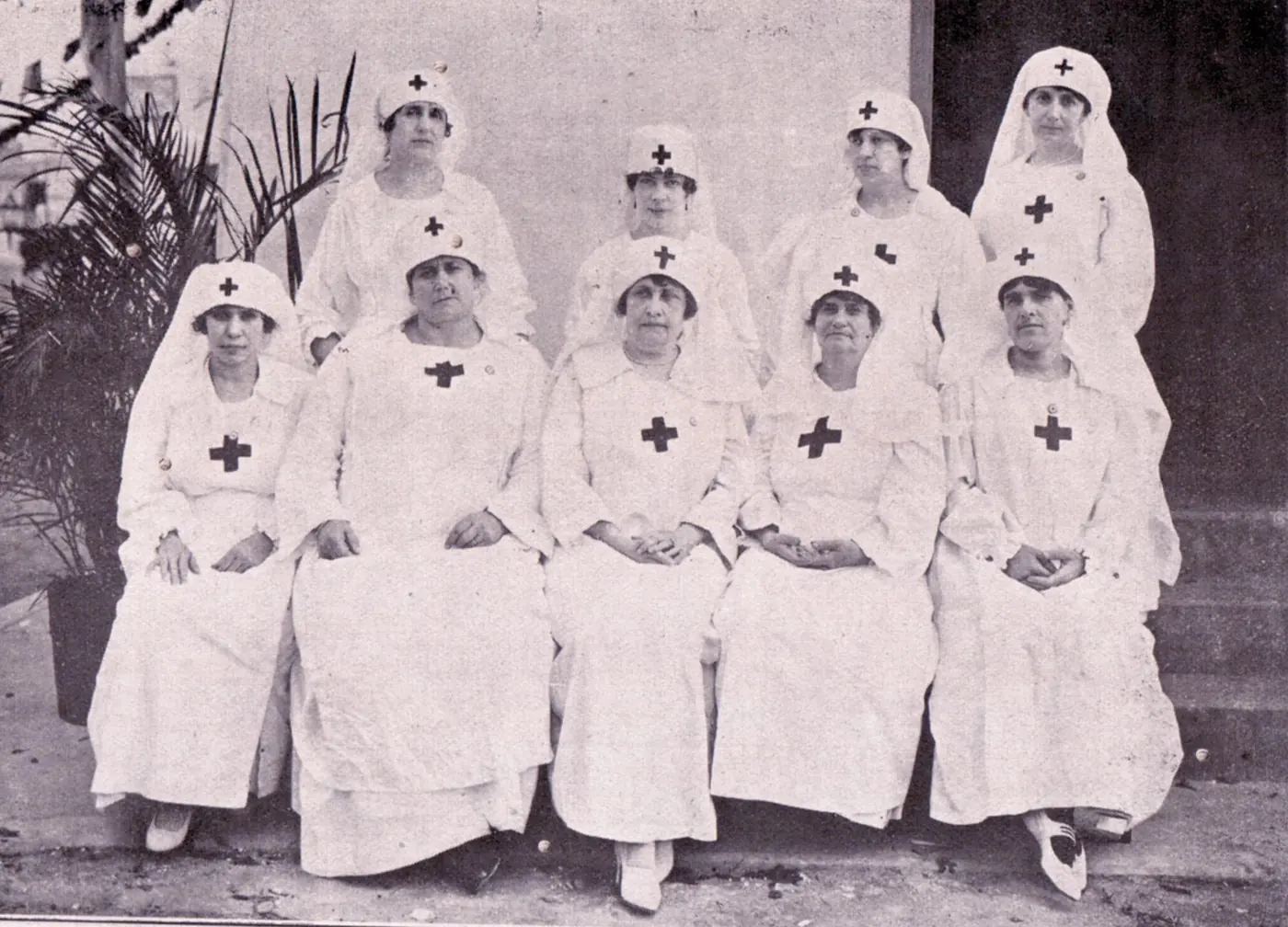
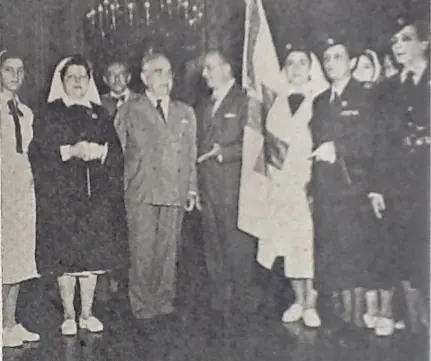
Diplomas presented to the Ladies of the Brazilian Red Cross by Marshal Thaumaturgo de Azevedo, in 1918. At the table, the surgeon Dr. Daniel de Almeida.Nurses and officers of the Brazilian Red Cross; at the centre, Marshal Thaumaturgo de Azevedo, president of the institution.Group of dedicated nurses recognised for outstanding service during the influenza epidemic, in 1918.
Visiting nurses and the fight against tuberculosis
In 1920, the School created the country's first course for visiting nurses, conceived by Dr. Amaury de Medeiros and dedicated to home-visit nursing focused on public health. The visiting nurse was regarded as essential for bringing health education to the population and forming a link between the family and the health service. In 1940, a Social Work course also began[10, 2, 7].
In the same year, 1920, the BRC created two assistance departments: Tuberculosis Prophylaxis, also called the National Crusade against Tuberculosis (1 July), and Venereal Disease Prophylaxis (23 March), directed by Dr. Estellita Lins — the first organised campaign against these diseases in Brazil, with clinics, an outpatient service, a laboratory and 42 free public lectures between May 1920 and December 1922[7, 4].
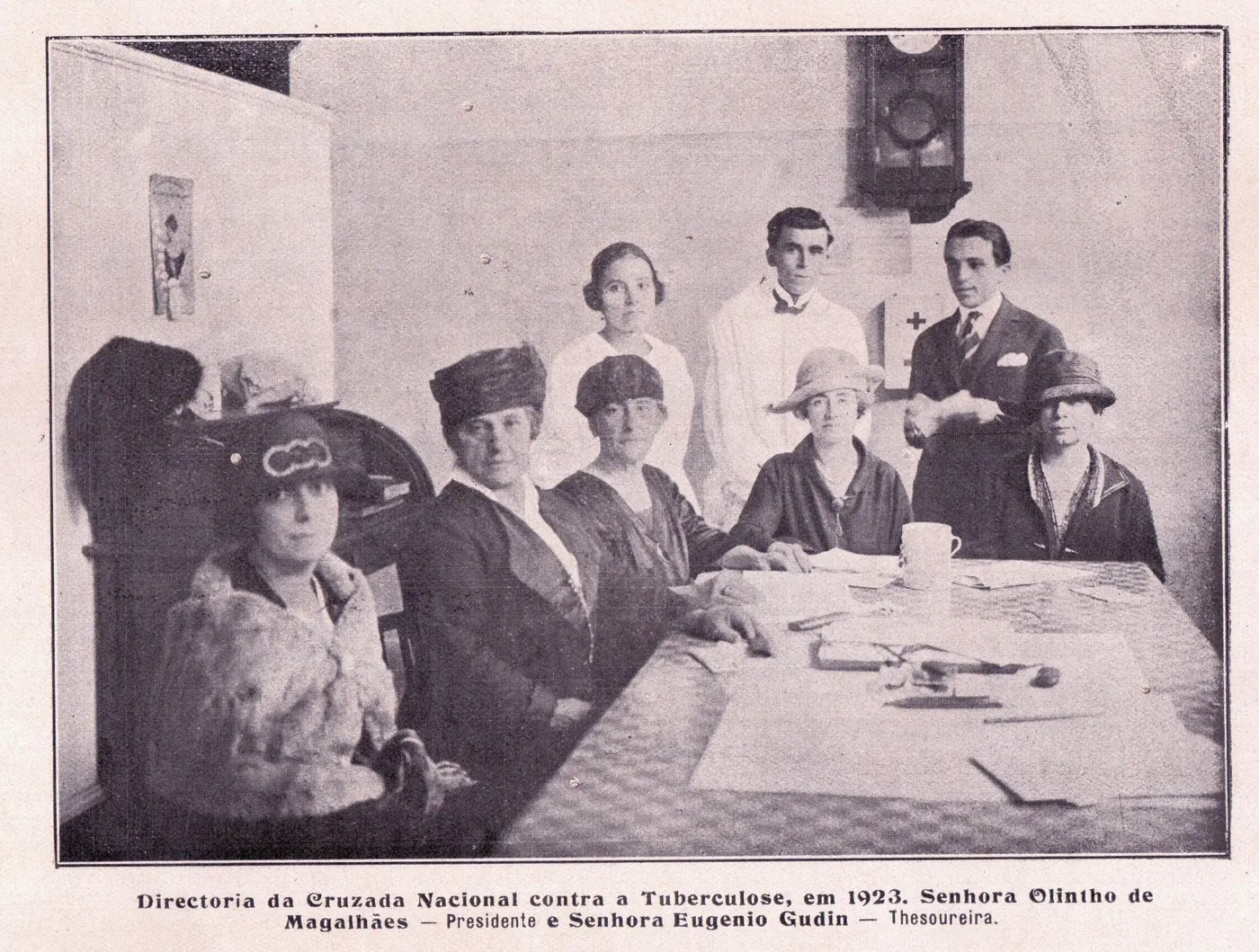
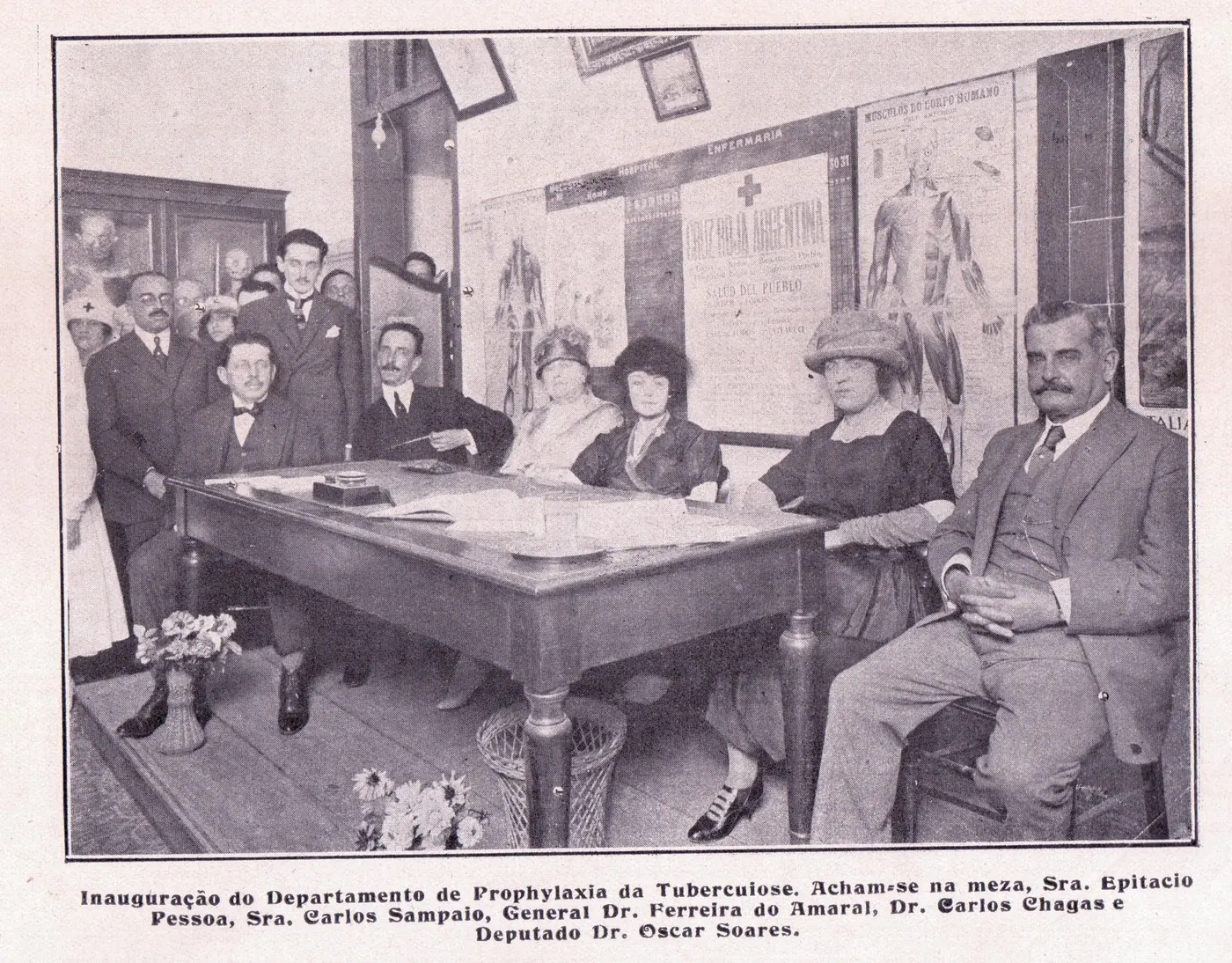
Board of the National Crusade against Tuberculosis, in 1923: Mrs. Olyntho Magalhães, president, and Mrs. Eugênio Gudin, treasurer.Opening of the Tuberculosis Prophylaxis Department. At the table: Mrs. Epitácio Pessoa, Mrs. Carlos Sampaio, General Dr. Ferreira do Amaral, Dr. Carlos Chagas and Congressman Dr. Oscar Soares.
The Central Nurses Section and the Second World War
On 1 September 1941, the Central Nurses Section was created to study the instruction, training and enlistment of nurses and volunteer auxiliaries, headed by Mabel Henriete Lisboa Shaw, with Maria Sylvia Franco and Irene de Miranda Cotegipe Milanez as deputies. By a note of 31 January 1940, the Minister of War had regulated the registration of the diplomas of BRC Professional Nurses and Samaritans, recognising them for the practice of the profession throughout the national territory[7, 2].
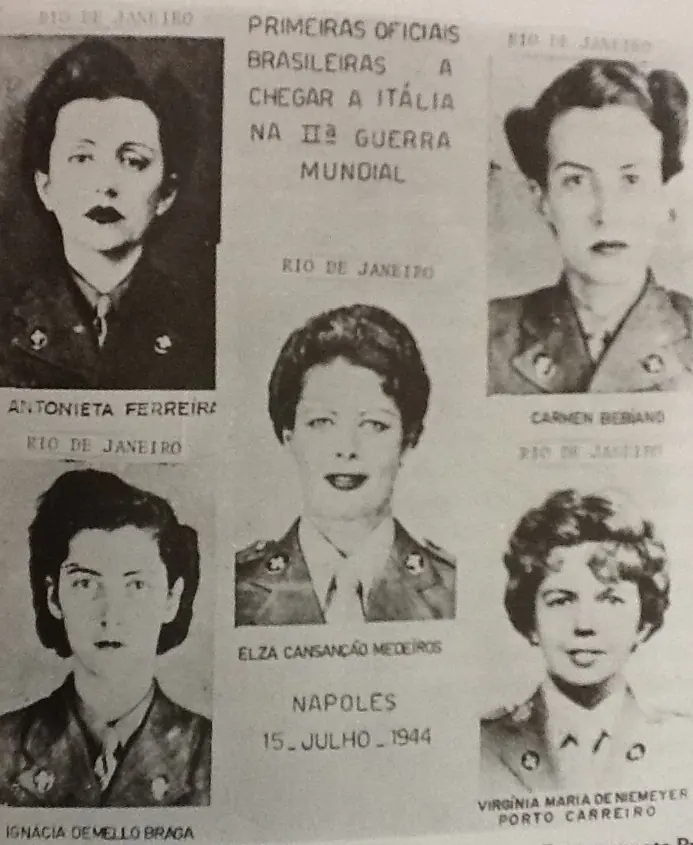
During Brazil's participation in the Second World War, School students served in Italy with the Brazilian Expeditionary Force (FEB). Antonieta Ferreira, a professional nurse, and the Samaritans Carmem Bebiano, Elza Cansanção Medeiros and Virgínia Portocarrero, of the class of 1941/42, are among the School graduates incorporated into the FEB[10, 7, 1]. In a letter of 15 March 1945 to President Ivo Soares, General Mascarenhas de Moraes, commander-in-chief on the Italian front, highlighted the roughly five tonnes of warm clothing received and the care given to Brazilian nurses in the hospitals of the theatre of operations, acknowledging the BRC's “most valuable cooperation”[7, 5].
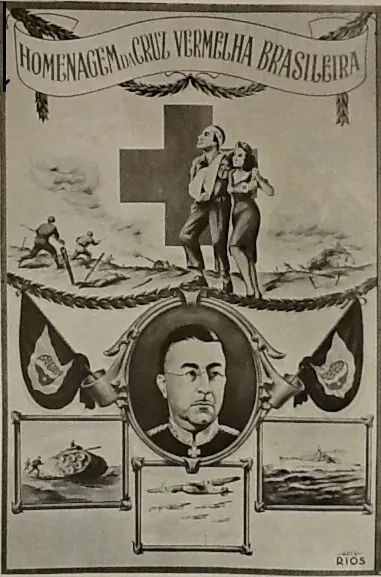
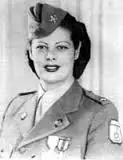
The first Brazilian women officers to arrive in Italy in the Second World War. Naples, 15 July 1944.Panel made by the Brazilian Red Cross in tribute to Brazil's defenders in Italy, displayed on Avenida Rio Branco, in Rio, when the first contingent of the Brazilian Expeditionary Force (FEB) arrived.
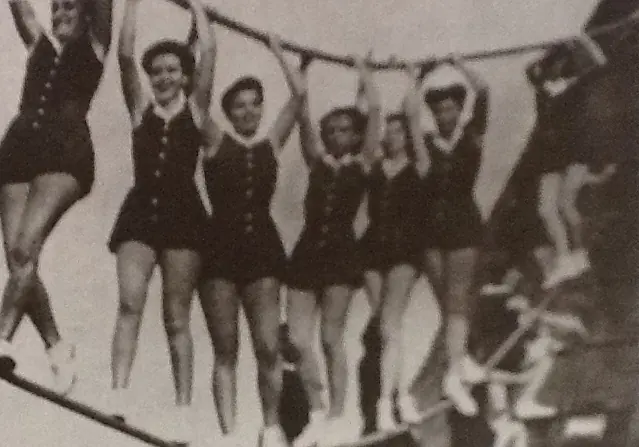
Physical training of nurses in the Army
Outstanding nurses
Twice, School students received the Florence Nightingale Medal, the highest international distinction given to a nursing professional: Idália de Araújo Porto Alegre, in 1927, the first Brazilian and the first nurse in South America to receive it, and Irene de Miranda Cotegipe Milanez, in 1948[10, 2, 7]. Irene headed the Central Nurses Section, coordinated campaigns for war victims, opened the BRC Youth Children's Canteen in 1948, directed the School from 1963 and was named “Nurse No. 1 of the Brazilian Red Cross”[7, 1]. Both appear, with other figures from Red Cross history, in the gallery of notable people.
Uniforms and rituals
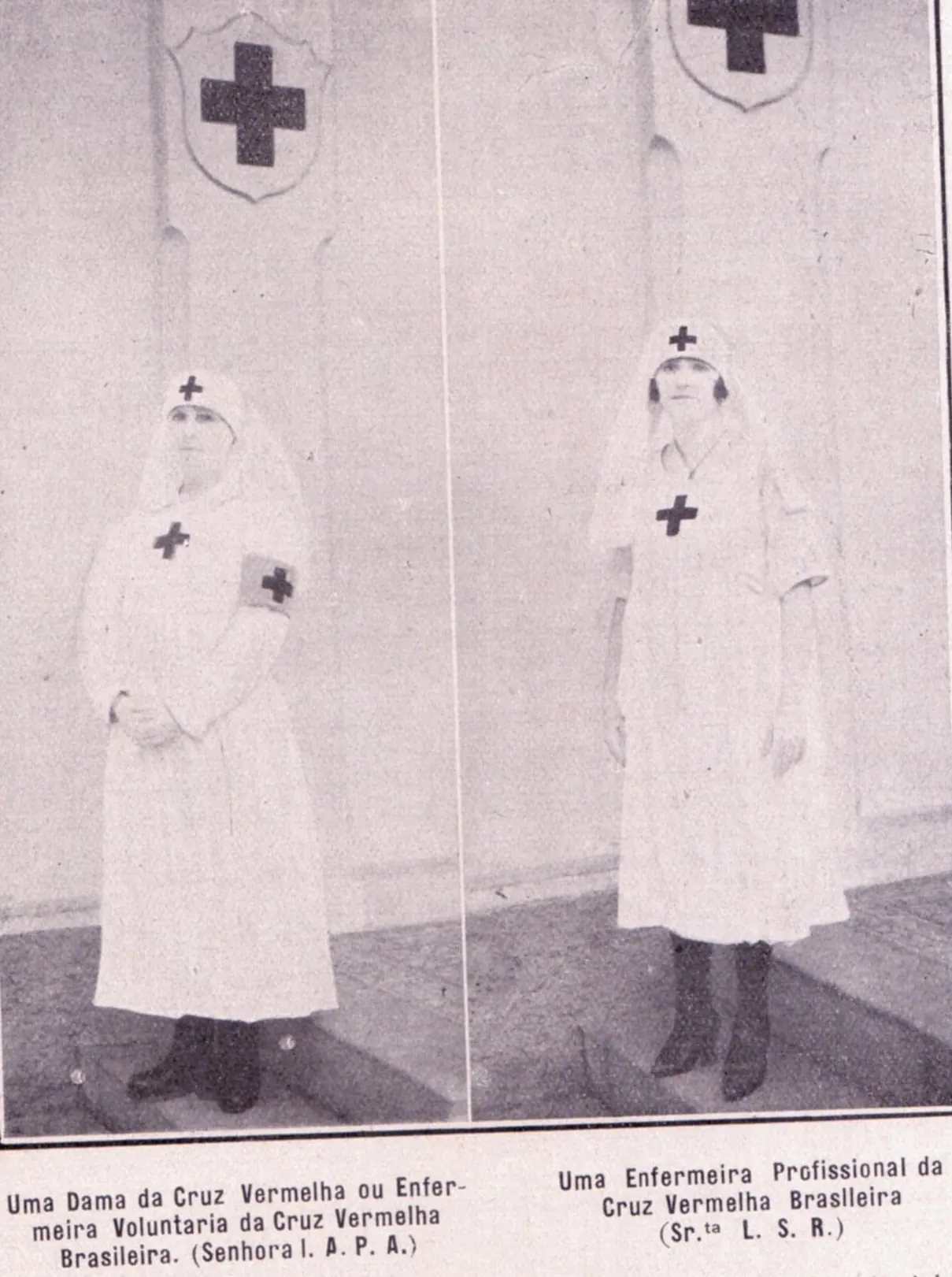
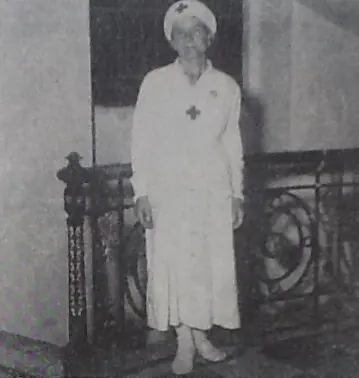
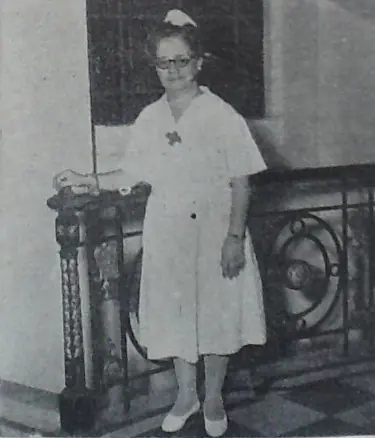
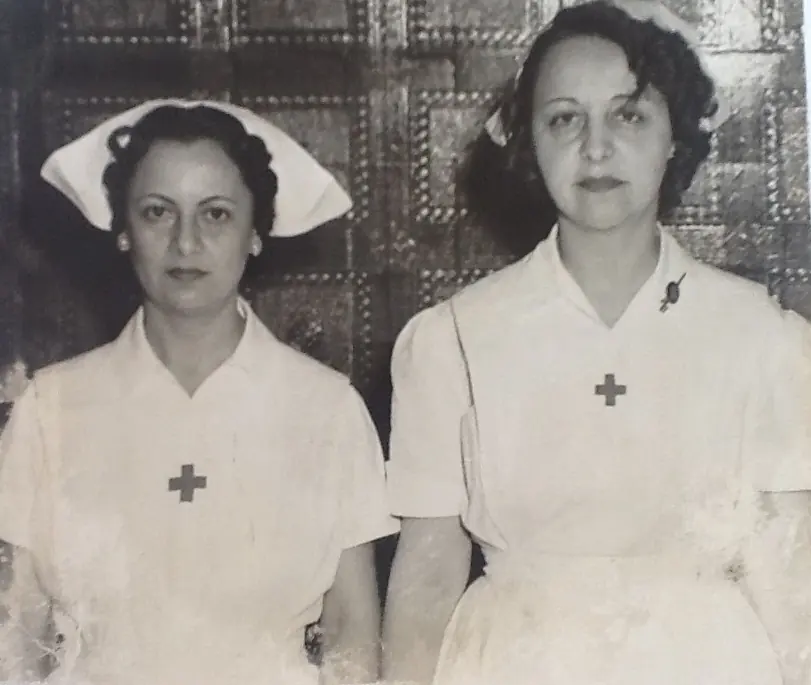
A Red Cross Lady or Volunteer Nurse (Mrs. I. A. P. A.) and a Professional Nurse (Miss L. S. R.).
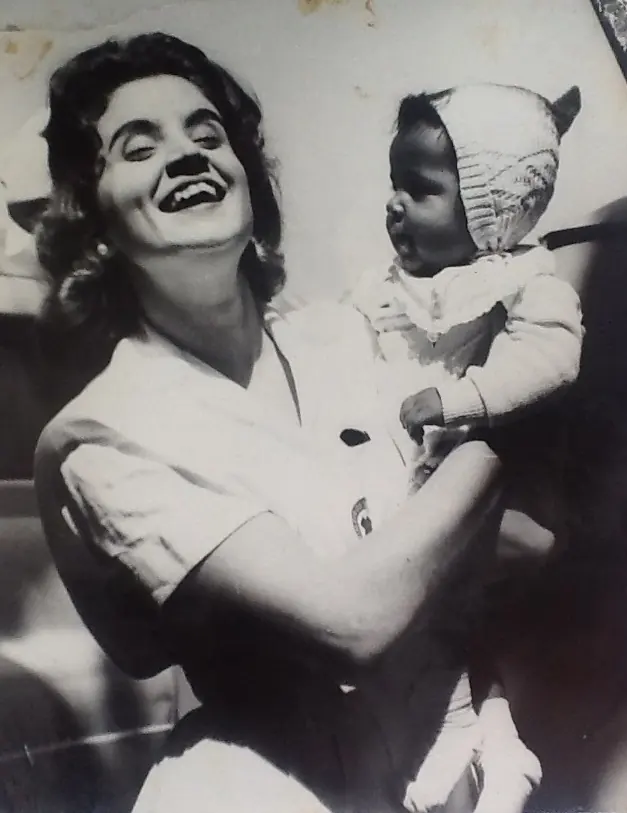
The uniform was light-coloured, with the institution's symbol: a high-collared, knee-length dress with long sleeves, veil, stockings and shoes. The red cross appeared on the chest and on the veil, which gave visibility to the symbol and to the image of the nurse as an agent of charity[1].
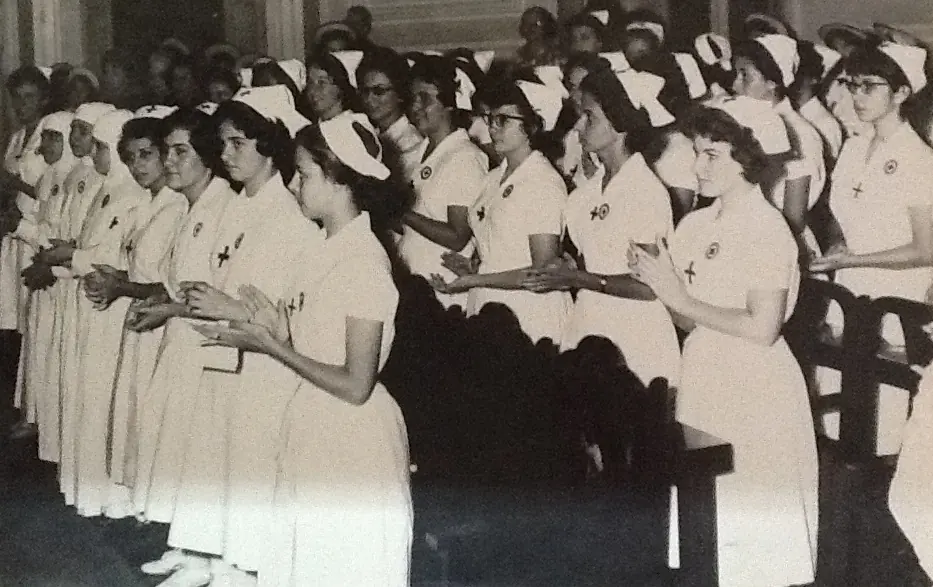
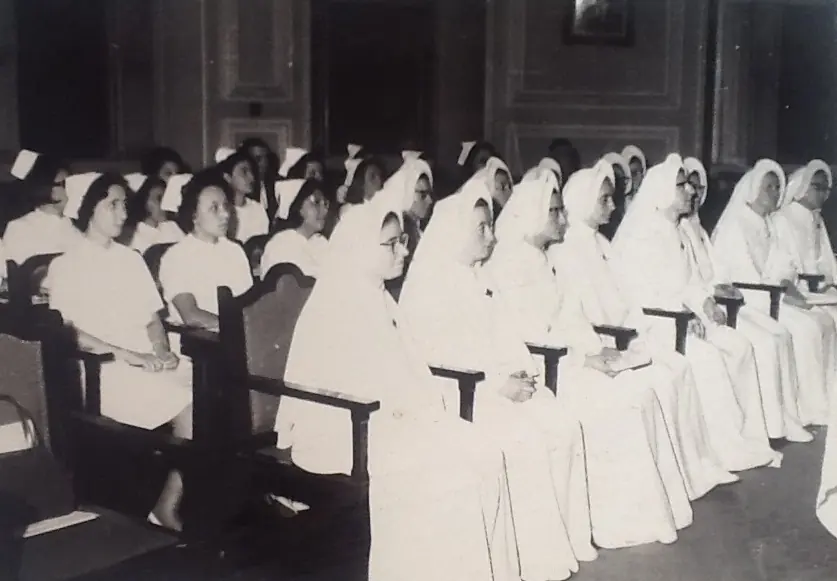
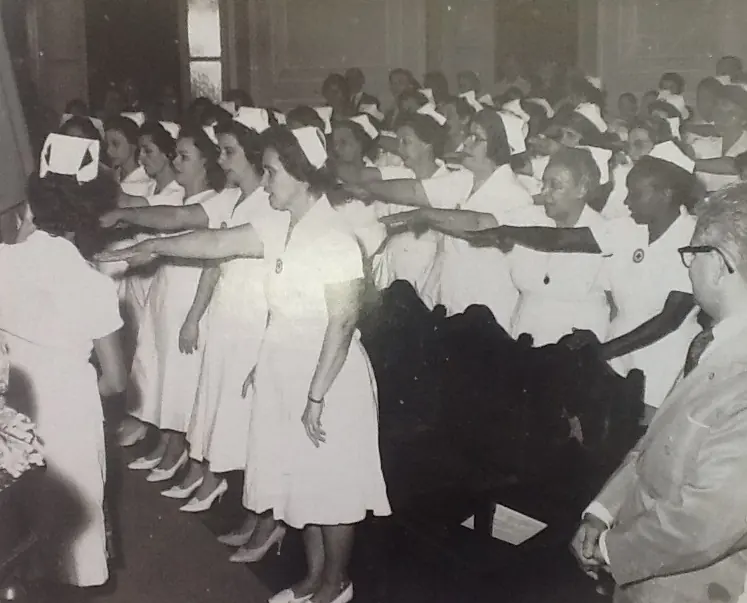
At graduation there were two ritual moments: the placing of the neutrality armband, provided for in the BRC Regulations, and the oath before the institution's symbol, in which the graduates promised to help doctors “with proficiency and loyalty”, to keep professional secrecy and to serve all who, “without distinction, in time of war or peace”, needed the Red Cross[1].
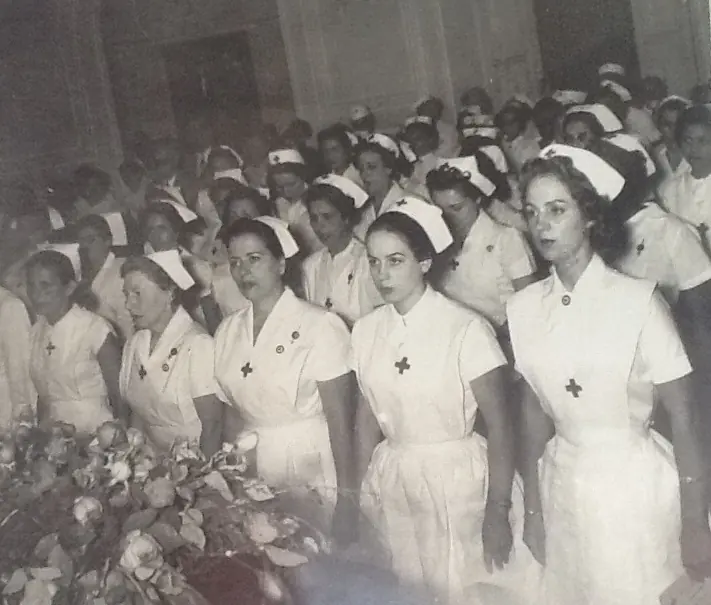
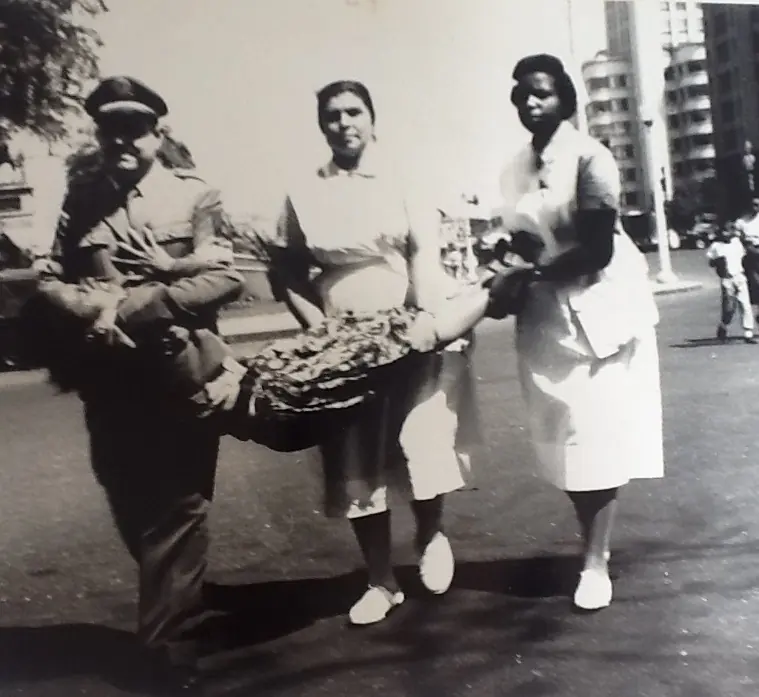
In the 1940s and 1950s, the end of the course brought the ceremony of the “Passing of the Cross”: a cross artfully made of flowers that a 3rd-year student handed, as a relic, to a 2nd-year student[1]. The celebration of the presentation of diplomas and armbands was held every year in May, in honour of Florence Nightingale and Ana Nery (12 and 20 May), and the institution held the Red Cross Nurse Week, inviting other nursing schools to give lectures[7]. In 1955, the nurses Denair Silveira Costa and Gertrudes Schuller were honoured for 25 years of service[1].
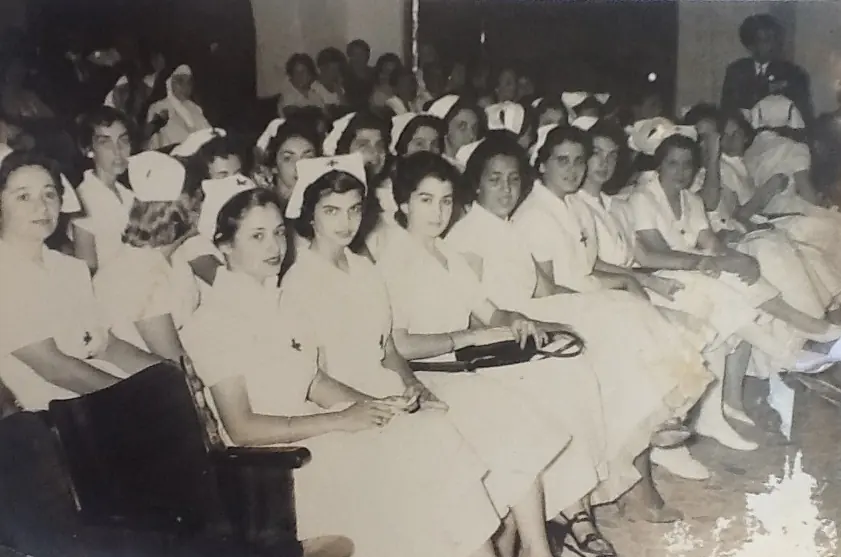
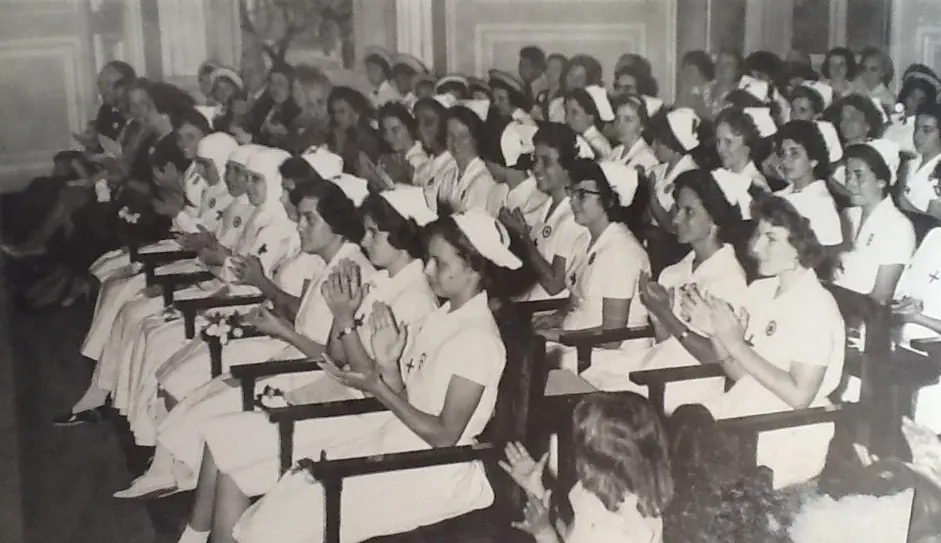
View 12 photos: Graduations at the School of Nurses
In the following decades, the School continued to play a prominent role in nursing education, with an annual average of 1,500 enrolled students, according to the Memory and Documentation Centre[2].
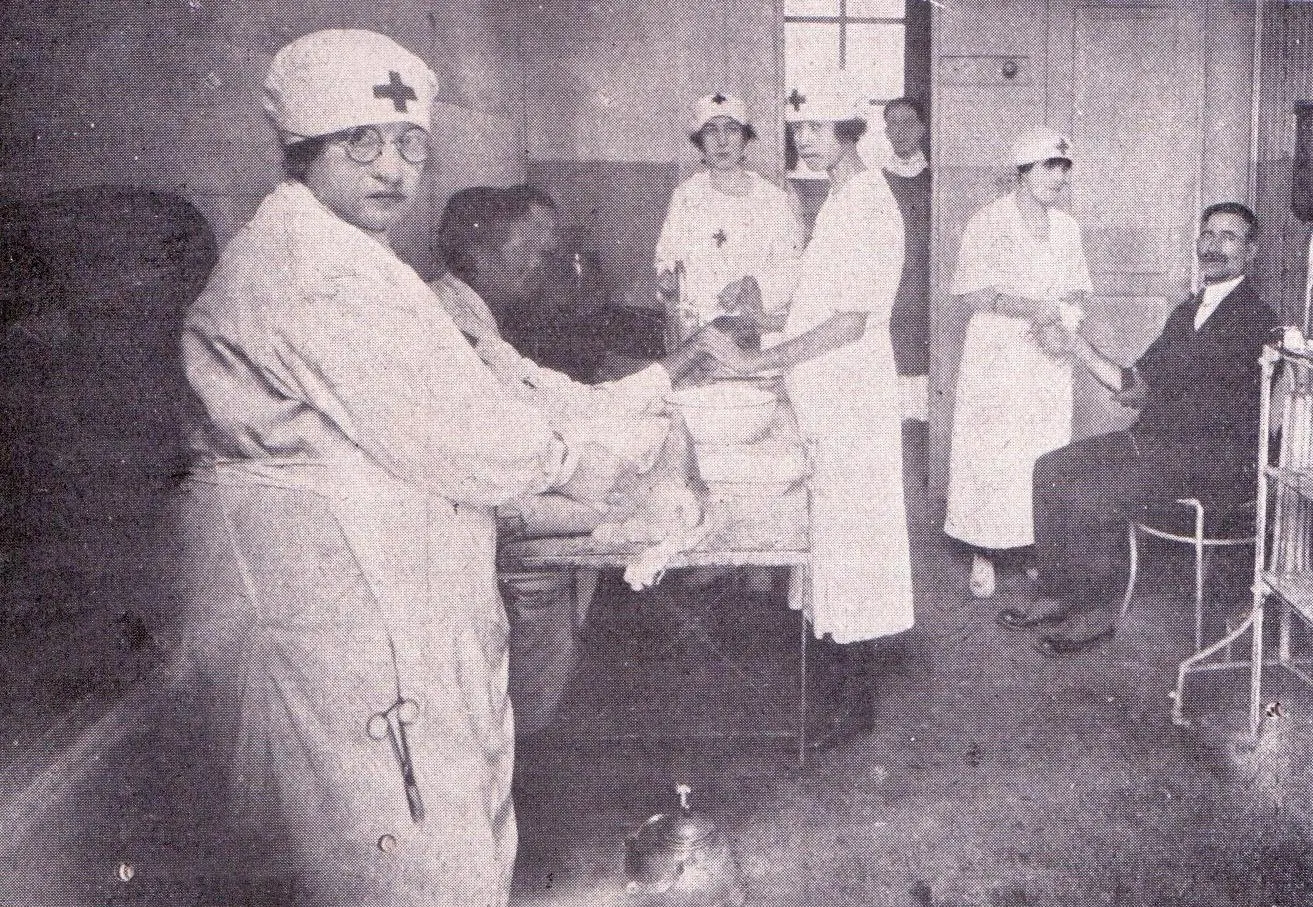
View 6 photos: Brazilian Red Cross nurses in action
View 7 photos: Students and volunteers in public activities: parade, exhibition and first-aid training
View 12 photos: The Brazilian Red Cross Hospital and its nurses in the 1950s and 1960s
A federation across the country
The creation of branches began with Decree No. 2,380 of 31 December 1910 (a legislative decree with the force of law), which regulated the existence of Red Cross associations in the country and allowed them to acquire legal personality. The first branch was São Paulo, in 1912, and the second Minas Gerais, in 1914. The Amazonas branch was founded in 1916, and the Sírio-Brasileiro branch (in Rio de Janeiro), Sergipe, and São José dos Campos, Cachoeira and Santos (SP) were already recognised. In 1917 the Paraná branch was founded and, the following year, those of Barra do Piraí (RJ), Cruz Alta (RS), Santa Catarina, Rio Grande do Norte, Maranhão and Ubá (MG). Many were short-lived[2].
On 21 November 1933, Decree No. 23,482 defined the Brazilian Red Cross as the central body of the federative organisation of all Red Cross associations in the country. Between 1941 and 1943, during the Second World War, 61 branches were created[2]. In a survey by the Memory and Documentation Centre, there were 18 state branches and 52 municipal branches. Today, the Statute approved by Decree No. 8,885 of 24 October 2016 organises the institution as a federation made up of a central body, state branches and municipal branches.
On 3 September 1945, Decree-Law No. 7,928 instituted the decorations of the Brazilian Red Cross, among them the Cross of Honour and the Cross of Merit, intended to recognise services rendered to humanity[12].
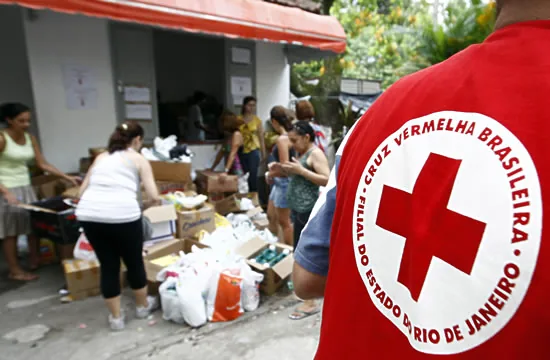
Volunteer of the Rio de Janeiro Branch at a donation distribution.
Presidents
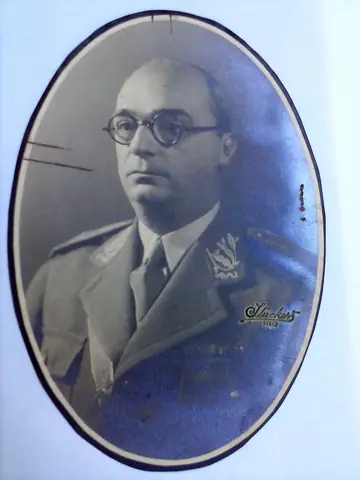
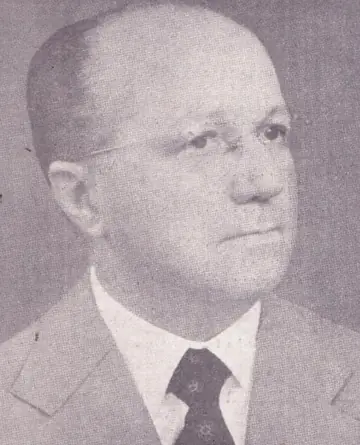
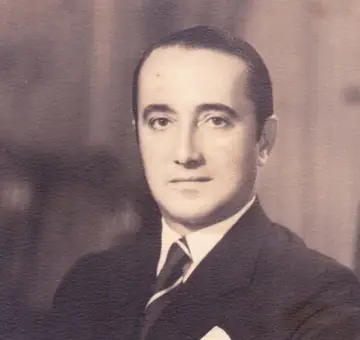
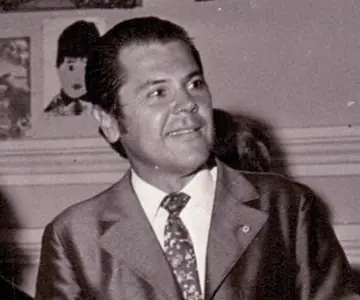
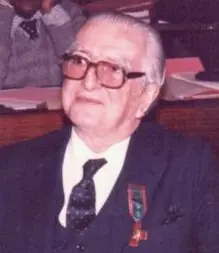
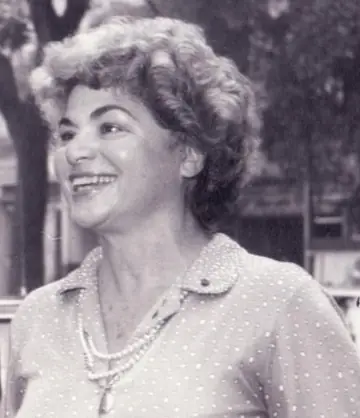
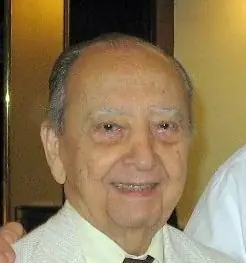
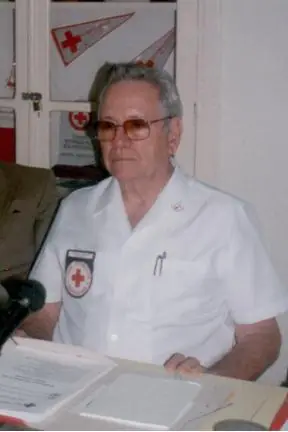
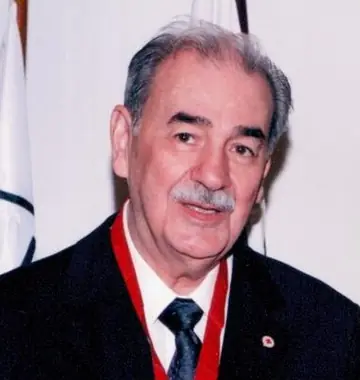
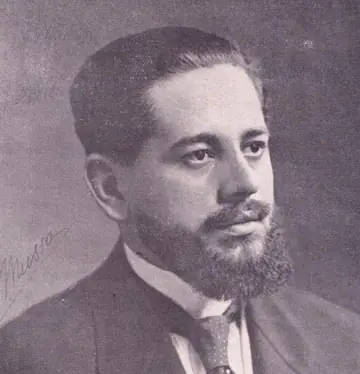
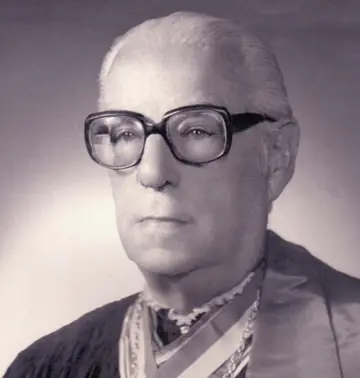
The Memory and Documentation Centre counts 21 national presidencies since 1908: two people served two terms, Sebastião Ivo Soares (6th and 8th) and Mavy Harmon (13th and 15th). This section presents the national presidents up to 2010, together with the interim presidents and administrators of the period[4, 13]. The portraits and names are those of the archive's Gallery of Presidents.
National presidents
1st · 1908
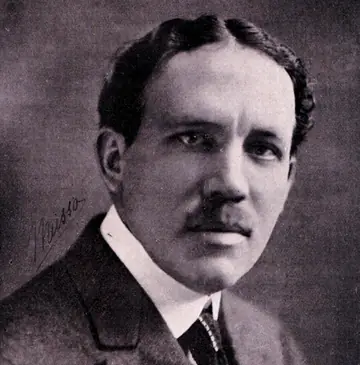
Dr. Oswaldo Cruz
A public-health physician, he founded the National Serotherapy Institute, today the Oswaldo Cruz Institute. He was elected president of the Provisional Board on 31 December 1907 and, in 1908, stepped down, handing the duties to the 1st vice-president.
2nd · 1908–1918
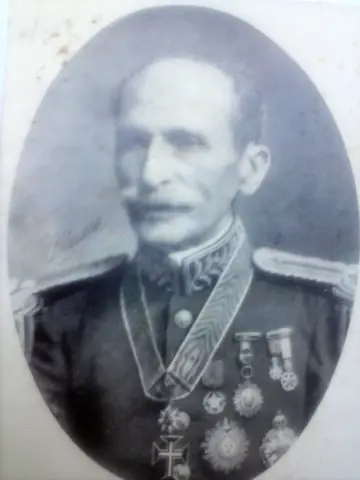
Marshal Gregório Thaumaturgo de Azevedo
A military officer and public figure, he played a central role in the incorporation of Acre into the national territory. As president, he sought recognition of the BRC by the Government and the ICRC, obtained the land for the headquarters, created the first branches and the Ladies' Committee, and opened the country's first professional nursing school. He died on 23 August 1923.
3rd · 1918–1922
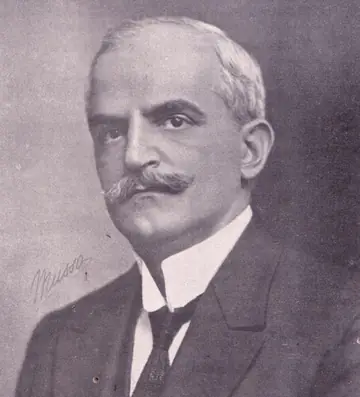
Engineer Miguel Calmon Du Pin e Almeida
An engineer and former Minister of State (1879–1935). He led the campaign to build the headquarters, with the foundation stone laid in 1919, represented the BRC at the first meeting of the General Council of the League (1920), and created the National Crusade against Tuberculosis and the Department of Venereal Disease Prophylaxis.
4th · 1922–1929
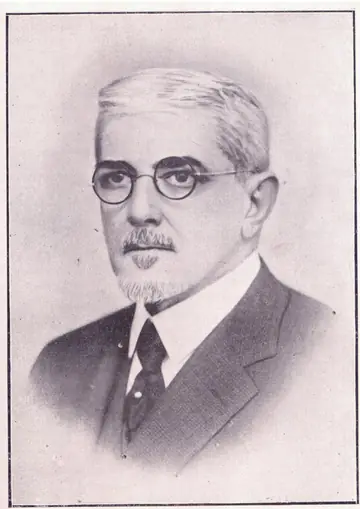
Marshal Antônio Ferreira do Amaral
A founding member and director of the Central Army Hospital, he led the 1st Volunteer Nurses Course on 20 October 1914. Acting president from 1921 and elected in 1922, he completed the construction of the BRC building. He died in office on 5 March 1929, when 30 days of official mourning were declared.
5th · 1929
Commander Carlos Pereira Leal
President of the insurance company Equitativa dos Estados Unidos do Brasil, he was vice-president of the BRC from 1920 to 1929. After the death of President Ferreira do Amaral, he held the presidency from 4 April to 5 September 1929.
6th and 8th · 1929–1930 and 1942–1947
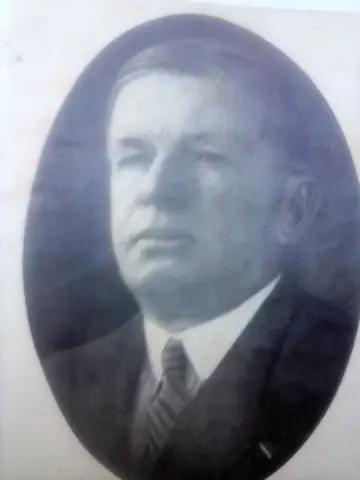
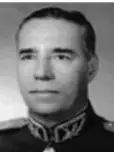
General Sebastião Ivo Soares
Director of the Army Health Service. In his first term he worked to finish the headquarters, where the first Extraordinary General Assembly met on 8 September 1930, and represented the BRC at the Brussels Conference. In the second, he continued the work for war victims, and the BRC medals were instituted (Decree-Law No. 7,928/1945). He died in office on 28 April 1947.
7th · 1930–1942
General Álvaro Tourinho
Director of the Army Health Service, he was elected a member of the Movement's Standing Commission and hosted, in 1935, the Third Pan-American Red Cross Conference, the first international Red Cross meeting held in Brazil. In 1939, the BRC was the first National Society to send relief by air to Chile.
9th · 1947–1966
Senator Vivaldo Palma Lima Filho
An orthopaedic surgeon, he was a professor at the School of Nursing, director of the BRC Hospital and a senator for Amazonas. In 1956 he unveiled the statue of Ana Nery at Praça da Cruz Vermelha, expanded the BRC's assets, and proposed statutory changes that allowed women to run for the presidency. He authored Law No. 3,960, which makes the distinctive emblem mandatory for national health organisations.
10th · 1966–1969
Minister Álvaro Tolentino Borge Dias
A physician and minister of the Court of Accounts of the State of Guanabara. He proposed statutory changes to give greater prominence to volunteering and, in December 1968, founded the BRC Guanabara School of Medicine. On 21 January 1969, federal intervention in the BRC was decreed.
11th · 1971–1974
Admiral Edgar Pereira de Beauclair
Appointed by the President of the Republic on 1 November 1971. He held the first meeting of state and municipal branches, launched relief campaigns for Nicaragua, and implemented the Medical Assistance Programme for Amazonian Indigenous peoples, in partnership with the ICRC, National Societies and Funai.
12th · 1974–1977
Tom Willmontt Sloper
Director of the Casa Sloper store chain. A member of the Movement's Standing Commission from 1948 to 1965, he took part in the debates on the Fundamental Principles. He led the relief campaign for the 1976 Guatemala earthquake. He received the Henry Dunant Medal in 1985 and died in 1995.
13th and 15th · 1977–1992/93 and 1994–2001
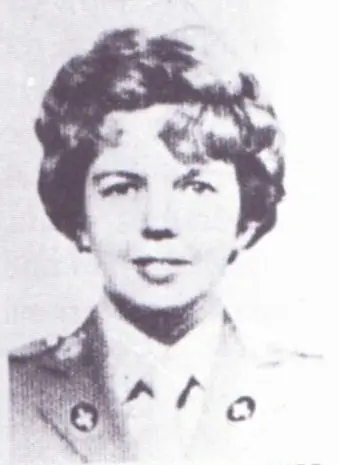
Prof. Mavy d'Aché Assumpção Harmon
A university professor and the first woman to graduate from the Brazilian War College, a BRC volunteer since 1966 and the first woman to lead the institution. She encouraged work in education, health and social assistance, created the Cornea Pathology Institute and the Speech Therapy Clinic, coordinated Operation Northeast, and hosted the League's 6th General Assembly in Rio in 1987. She died in 2002.
14th · 1993–1994
Dr. Carlos Velloso de Oliveira
A psychiatrist specialising in the effects of drug use. He took office in 1993 as an administrator appointed by the Ministry of Health and then as acting president by decision of the Federal Court, and was elected national president on 17 March 1994. He chaired the Friends of the BRC Association from 2002 to 2008.
16th · 2001–2004
Air Brigadier Milton Segala Pauletto
Director of the Air Force Hospital. He coordinated the reunification and pacification of the BRC, in November 2001, and the statutory revision approved by presidential decree in January 2004.
17th · 2004–2010
Dr. Luiz Fernando Hernández
A lawyer from São Paulo. He implemented the 2005/2008 Strategic Plan, coordinated the largest fundraising campaign among Latin American National Societies for the victims of the Asian tsunami, and launched the Club 25 blood donation campaign.
Interim presidents and administrators
Interim president · 1929
Dr. Agenor Estelitta Lins
A urologist and director of the BRC Venereal Prophylaxis Department. He served as acting president from 11 March to 4 April 1929.
Administrator · 1969–1970
General Carlos Paiva Gonçalves
An ophthalmologist and professor. Appointed by the Minister of Health on 21 January 1969 to draft new statutes, he restored ties with the branches, integrated the BRC into the Interior Ministry's Public Calamity Service and obtained the Federal Public Utility Decree.
Administrator · 1970–1971
Air Marshal Salvador B. Uchôa Cavalcanti
A military physician. He forwarded the draft statute approved by decree in 1971 and handed the post to the newly appointed president.
Interim president · 1992–1993
General Olívio Vieira Filho
Director of Health at the Army Hospital and a councillor since 1978. He was given authority by the Council to run the BRC from 29 December 1992 to 21 January 1993.
Gallery of notable people
The archive also honours people who marked the institution's history. Among the members of the Governing Council remembered by the Memory and Documentation Centre are figures of Brazilian society who today give their names to streets and avenues of Rio, such as Thaumaturgo de Azevedo, Afonso Pena, Epitácio Pessoa, Prudente de Moraes, Rui Barbosa and General Ivo Soares, and to the city's hospitals, such as Souza Aguiar, Miguel Couto, Pedro Ernesto and Clementino Fraga[4].
Forerunner of the founding
Dr. Joaquim Xavier de Oliveira Botelho
A civilian physician born in Bahia, he was inspired by the Red Cross Societies he had seen in Europe and Argentina and, in 1907, took the first step towards founding one in Brazil.
Nursing
Nurse Idália de Araújo Porto Alegre
Graduated as a volunteer, she was the only woman professor at the School between 1916 and 1923 (Domestic Economy) and secretary of the Crusade against Tuberculosis. In 1927 she became the first Brazilian, and the first nurse in South America, to receive the Florence Nightingale Medal.
School of Nurses
Dr. Getúlio Florentino dos Santos
An army captain-physician, he was the first director of the Practical School of Nursing, in 1916, and held the chair of Anatomy and Physiology. Secretary-General of the BRC from 1918 to 1929, he died in office; the BRC Hospital was named after him.
Second World War
Major Elza Cansanção Medeiros
A School graduate of 1942 (Samaritan class), she sailed for Naples as part of the Brazilian Expeditionary Force. She wrote the book “E Foi Assim Que a Cobra Fumou...”.
Second World War
Captain Virgínia Maria de Niemeyer Portocarrero
She graduated in the School's 1942 Samaritan class and enlisted as a volunteer in the FEB to serve in the Second World War, sailing for Naples.
Benefactor
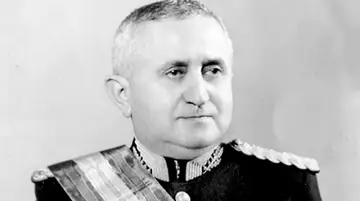
Marshal Eurico Gaspar Dutra
Former President of the Republic, Grand Benefactor member of the BRC, member of the Governing Council from 1957 to 1969, chairman of the Governing Council in 1962 and honorary president in 1966.
Nursing
Nurse Irene de Miranda Cotegipe Milanez
A School alumna who graduated in 1939, she headed the Central Nurses Section, was director of the School from 1963, and was the second Brazilian to receive the Florence Nightingale Medal. Named “Nurse No. 1 of the Brazilian Red Cross”, she died on 15 June 1966.
Wars, accidents, epidemics and disasters
The first relief and social assistance actions of the Brazilian Red Cross began in 1914, with the Women's Section, and came to include fundraising campaigns for the Contestado War, the First World War, the Indigents' Hospital of Ceará (1915) and the victims of the collapse of the Hotel York in Rio, in 1917[5]. In Rio de Janeiro, the institution also records its work in the fire at the Favela do Esqueleto in 1953; the fire at Praia do Pinto in 1969; the storm that struck Guanabara and the State of Rio in 1971; the floods in Jacarepaguá in 1996; and the climate disaster in the Serrana Region in January 2011[14].
Conflicts and wars
Contestado War (1914). The BRC began campaigns to collect donations for the wounded, with the collaboration of the Spanish Red Cross, and got the Ministry of War to authorise volunteer nurses to attend the Central Army Hospital[5].
First World War (1914–1918). The BRC raised funds for the ICRC in Geneva and organised an information and correspondence service for foreigners: the first request for news arrived on 11 July 1917, and more than 1,224 followed. A committee of ladies prepared clothing and warm garments at the Immaculada Conceição school, in Botafogo[5].
Constitutionalist Revolution (1932). The BRC asked the Provisional Government to help relieve the wounded and those in need, answered the appeal for clothing for more than 2,000 prisoners on Ilha Grande, and postponed the Pan-American conference it was to host that year, held only in 1935[5].
Second World War (1939–1945). Answering appeals from the ICRC and the League, the BRC gathered at its headquarters the leaders of foreign colonies and ambassadors to form the War Victims Relief Committee, which collected, packed and shipped to Europe the material of the foreign committees in “colis”, parcels of clothing, medicines and surgical supplies. Lloyd Brasileiro carried the first shipments free of charge; when European ports were closed, donations began to go to the ICRC through joint action by the National Societies of the Americas. The Tracing Service received, up to mid-1946, 72,527 messages and forwarded 22,575. In 1944, the BRC was given responsibility for handling the entry into the country of refugee children from Europe[5, 4].
Civil war in Paraguay (1947). At the request of the mayor of Ponta Porã, the BRC sent a delegation with medicines and collected donations for the victims[5].
Vietnamese refugees (1979 and 1980). At the request of the United Nations, the BRC took in at its headquarters 37 refugees rescued by a Brazilian ship in the South China Sea, and another 14, received at the Port of Tubarão (ES), in 1980[5].
Nicaragua (1979). At the request of Itamaraty, the BRC protected and assisted, in the midst of armed conflict, the rescue of 41 Brazilians, women and children, on a Boeing 707 chartered by the ministry[5].
Africa (1981–1986). It recruited Brazilian delegates for the Southeast Africa Assistance Programme (1981) and intervened, in 1983 and 1986, for the release of Brazilians and missionaries held by an armed group[5].
Other episodes. Assistance to a wounded English sailor in the Falklands War (1982), registration of 3,525 volunteers for the Gulf War (1991) and communication between a detained peacekeeper in Yugoslavia and his family, by Red Cross Messages (1995)[5].
Epidemics and calamities
The response to the 1918 Spanish flu is in the section on the School of Nursing. In 1919, Dr. Estellita Lins led a relief mission for the victims of the São Francisco River flood in Minas Gerais, Bahia and Sergipe, and the BRC sent 12 tonnes of supplies to Ceará and 5.5 tonnes to Rio Grande do Norte, hit by drought[5].
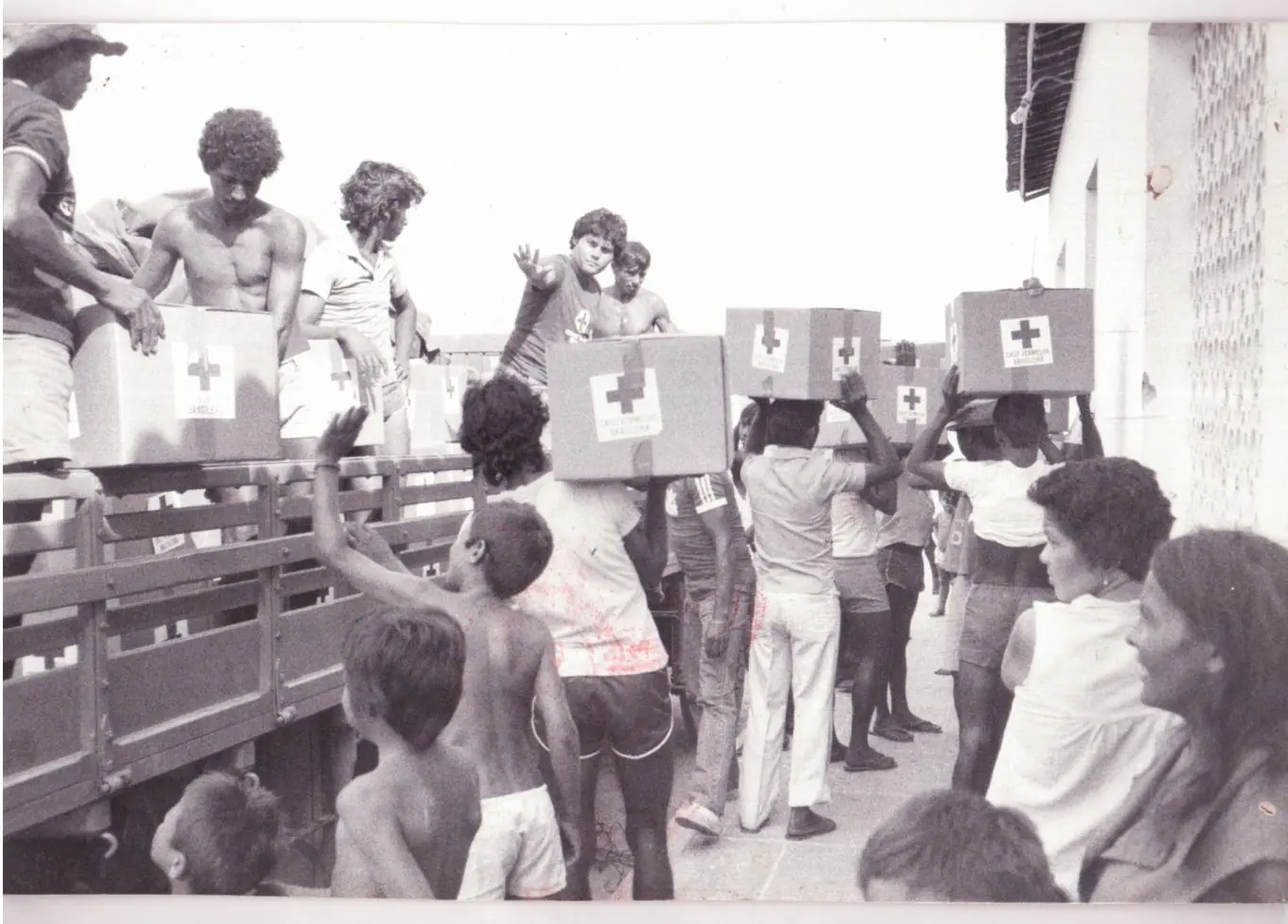
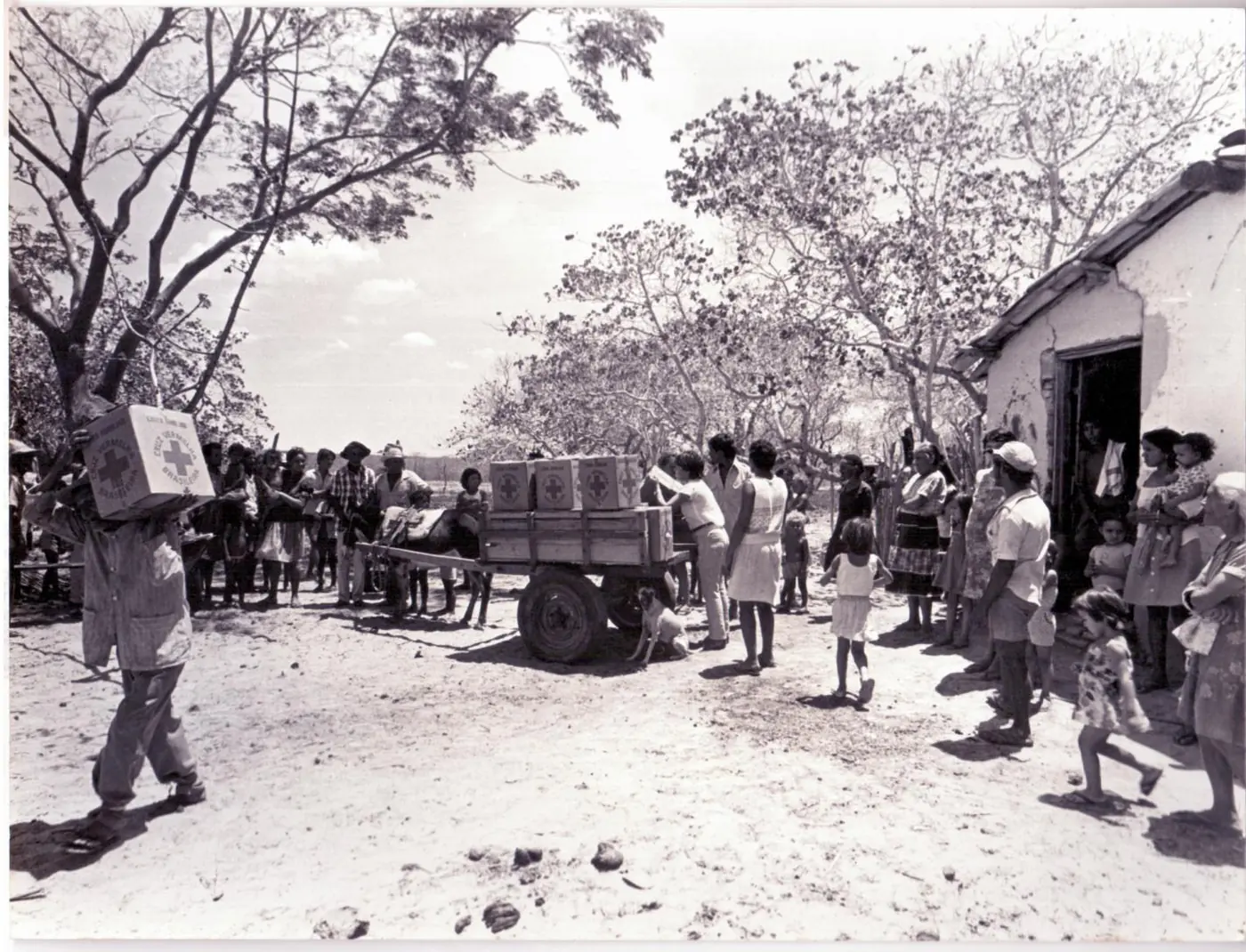
In the Northeast drought, from 1980, Operation Northeast had the support of the International Movement and distributed 124,982 tonnes of food and bean and maize seeds to 235,322 families, in 70 municipalities in four states[2]. The third phase, “Children of the Drought” (1983–1985), was aimed at children aged 0 to 14, nursing and pregnant women and served 62 municipalities in Ceará, Rio Grande do Norte, Piauí and Alagoas, with 191,077 beneficiaries[5].
Distribution of Brazilian Red Cross donations, with boxes marked with the red cross
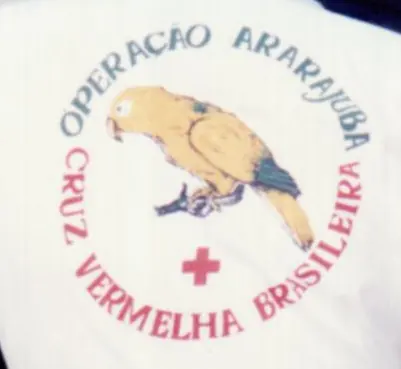
In 1990 and 1991, Operation Ararajuba mobilised university students: 1,300 signed up, 670 worked in 64 cities and left Red Cross posts set up; the second edition benefited 360,000 people in 14 states[5]. In 1990, the BRC was the only organisation to arrive with a convoy of volunteers and supplies at Itapevi (BA), hit by rains[5].
Emblem of Operation Ararajuba, a community action of the Brazilian Red Cross (1990–1991).Children in front of the Urban Social Centre, with the Operation Ararajuba banner of the Brazilian Red Cross.
On 11 and 12 January 2011, the Serrana Region of Rio de Janeiro suffered what is considered the country's greatest climate and geotechnical disaster, with floods and landslides in seven municipalities. The Brazilian Red Cross, through its branches, started a chain of solidarity, launched appeals for supplies and clothing for those left homeless and, with the Central Body and the Rio de Janeiro Branch coordinating the campaigns, fulfilled its role as auxiliary to the public authorities[5].
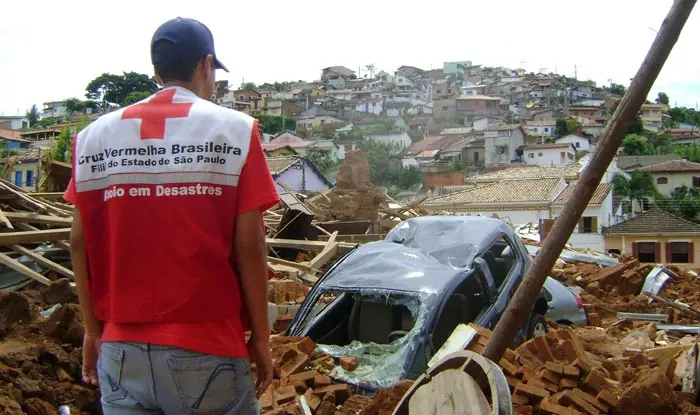
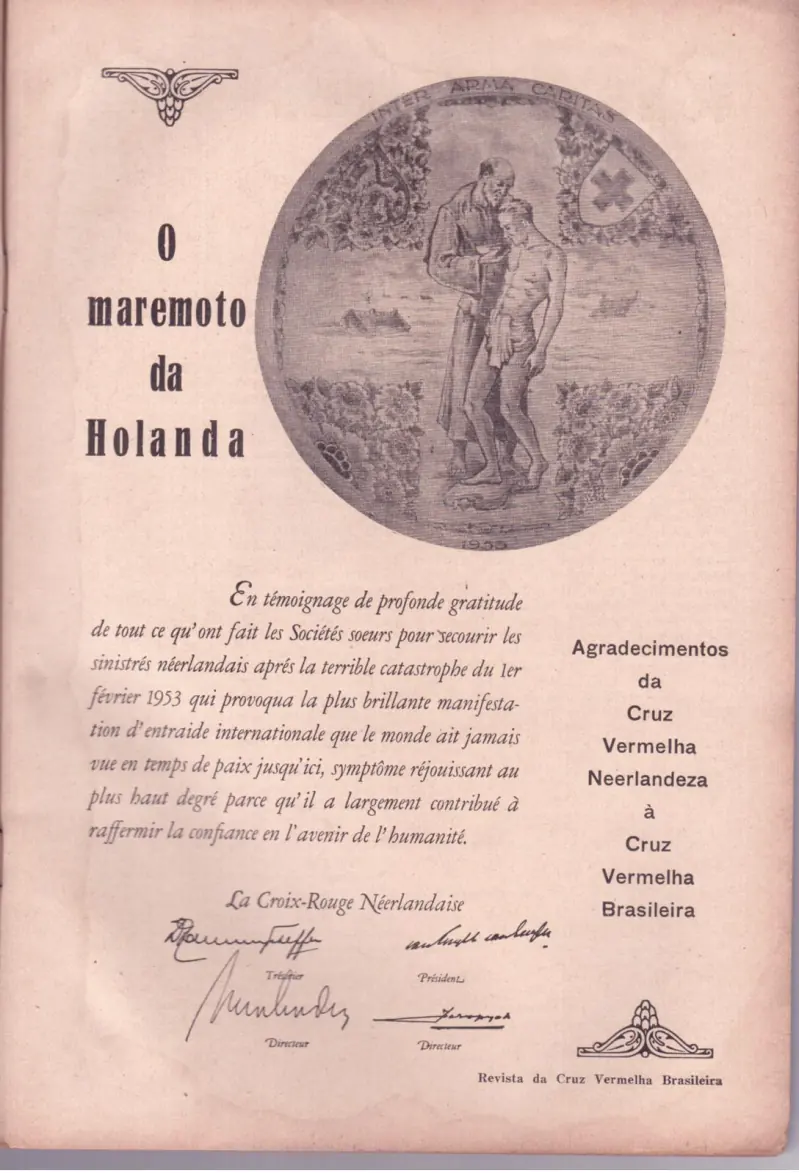
Volunteer of the Brazilian Red Cross, São Paulo State Branch, in front of destroyed houses.Thank-you from the Netherlands Red Cross to the Brazilian Red Cross after the flood in the Netherlands, published in the Brazilian Red Cross Magazine.
Main relief operations in Brazil, from 1931 to 2002
1931 Disaster at Ponta da Armação (Niterói, RJ), caused by an ammunition explosion.
1940 Flood in Juiz de Fora.
1948–1949 Flood victims in the Zona da Mata (MG), with relief posts coordinated by the nurse Irene Milanez and a committee led by President Vivaldo Lima Filho.
1949 Disaster in Alagoas and flood in Amazonas.
1953 Drought in the Northeast and fire at the Favela do Esqueleto (RJ).
1960 and 1962 Drought in the Northeast (1960) and disaster at the Circo Americano, in Niterói (1962).
1965 Participation in the Food for Peace Programme, with the American Red Cross; floods in the South.
1969 Fire at Praia do Pinto (RJ) and relief for flood victims in Alagoas.
1970–1974 Medical Mission to the Indigenous peoples of the Amazon, with the ICRC.
1971 Storm in Guanabara and the State of Rio.
1974, 1976 and 1979 Floods in the South and North (1974), drought in the Northeast and the Jequitinhonha Valley (1976) and floods in northern Rio de Janeiro State, Espírito Santo, Minas and the Northeast (1979).
1983 Floods in the South.
1988–1989 Campaigns SOS Acre, SOS Petrópolis, SOS/Rio, SOS/Jequitinhonha and SOS/Pantanal; the SOS Rio collection reached 30 million cruzados and covered all the operation's costs.
1996–1998 Floods in Jacarepaguá, Campos (RJ), Minas Gerais and Espírito Santo; shipments to the BRC post in Massapê (CE).
2002 Participation in the Amazon Project, with the International Federation and neighbouring National Societies; the Pará Branch joined the project.
The Brazilian Red Cross also organised campaigns for victims of calamities in other countries: the earthquake in Chile (1939), those in Ecuador (1942 and 1949), San Juan in Argentina (1944), Colombia (1950), the flood in the Netherlands, Greece (1953) and, in 1976, the Guatemala earthquake, whose campaign was the largest donation among all the National Societies of the Americas. In 1987, the SOS Mozambique campaign transferred USD 300,000 to the ICRC. In 2004, the campaign for the victims of the tsunami in South Asia raised and sent to the International Red Cross USD 705,000 and 300 tonnes of donations in three months, the largest among the Latin American Societies[5, 2].
Lorry with donations for Asia, in the Brazilian Red Cross campaign, São Paulo Branch (Volunteer Department).
The 1935 Pan-American Conference
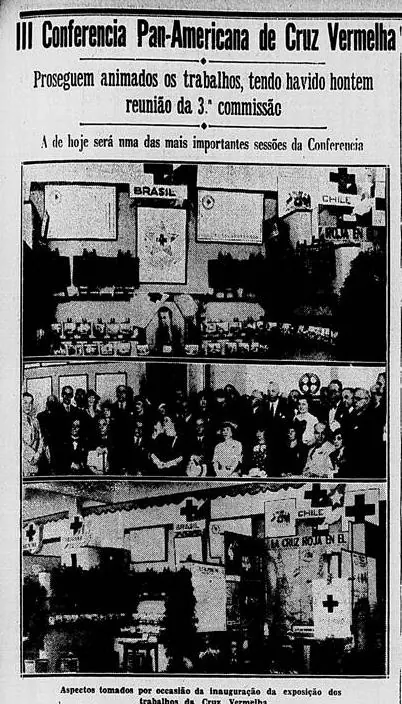
From 15 to 26 September 1935, Rio de Janeiro hosted the Third Pan-American Red Cross Conference, the first international Red Cross meeting held in Brazil. It brought together the National Societies of 20 countries of the continent, as well as the League of Red Cross Societies, the ICRC and Societies invited from 15 countries in Europe, Asia and Africa[15].
The BRC had been entrusted with hosting the conference in 1926, but had to postpone it several times: the headquarters building was not yet finished, and the Revolution of 1930 and the Constitutionalist Revolution of 1932 changed the plans. In 1934, the BRC took part in the 15th International Conference in Tokyo, where President Álvaro Tourinho was elected a member of the Standing Commission and the BRC and the Brazilian Government were congratulated for hosting the meeting. Invitations were sent at the beginning of 1935, and in July the BRC received a visit from A. R. Larrosa, deputy secretary-general of the League, to settle the last details[15].
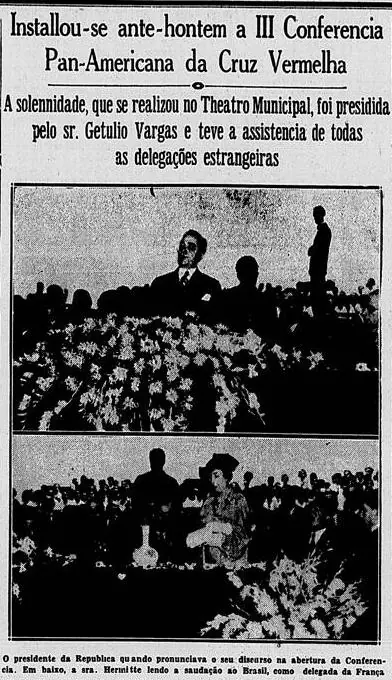
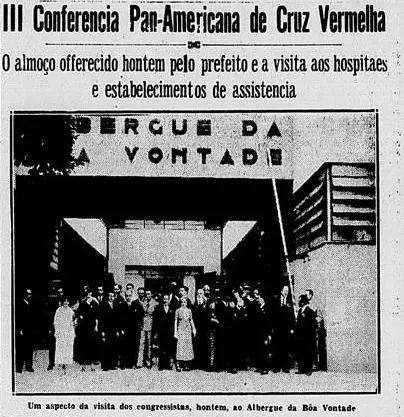
The opening session was held at the Teatro Municipal, chaired by the President of the Republic, Getúlio Vargas, welcomed to the sound of the National Anthem sung by pupils of municipal public schools. Getúlio Vargas hailed the meeting as “a palpable and unmistakable demonstration of the universal yearning for peace and human solidarity”; Admiral Cary T. Grayson, chairman of the League's Board of Governors, recalled that “the field open everywhere to the action of the Red Cross is almost unlimited”[15].
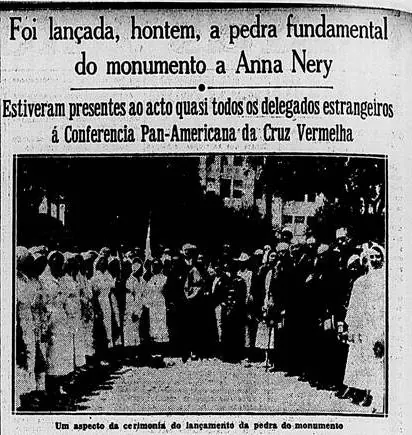
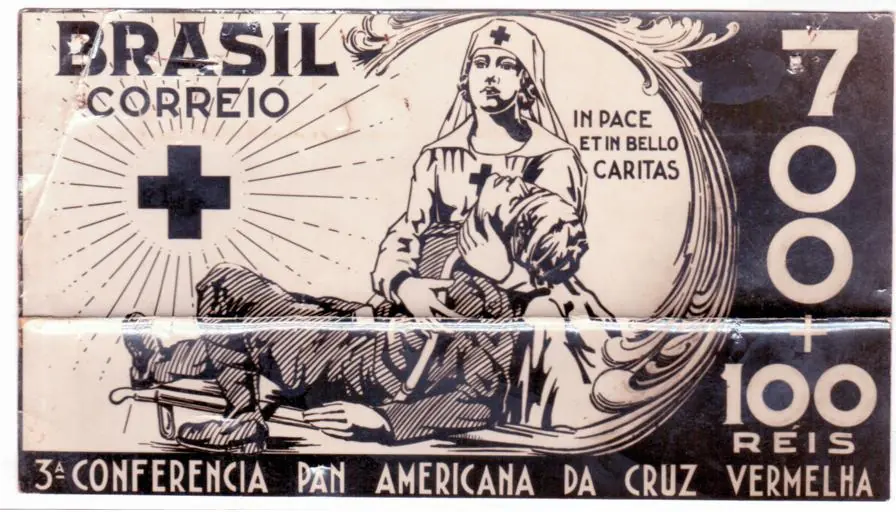
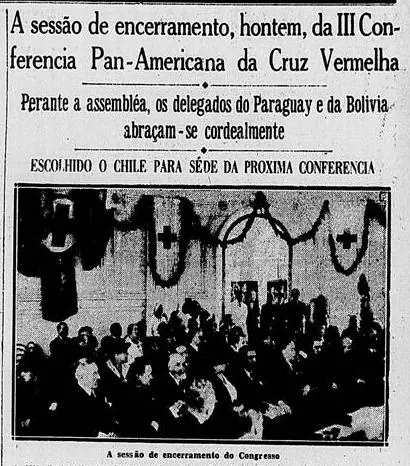
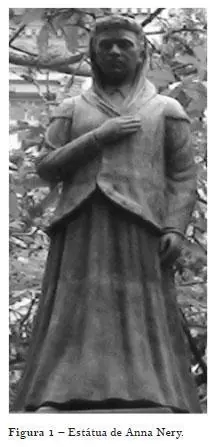
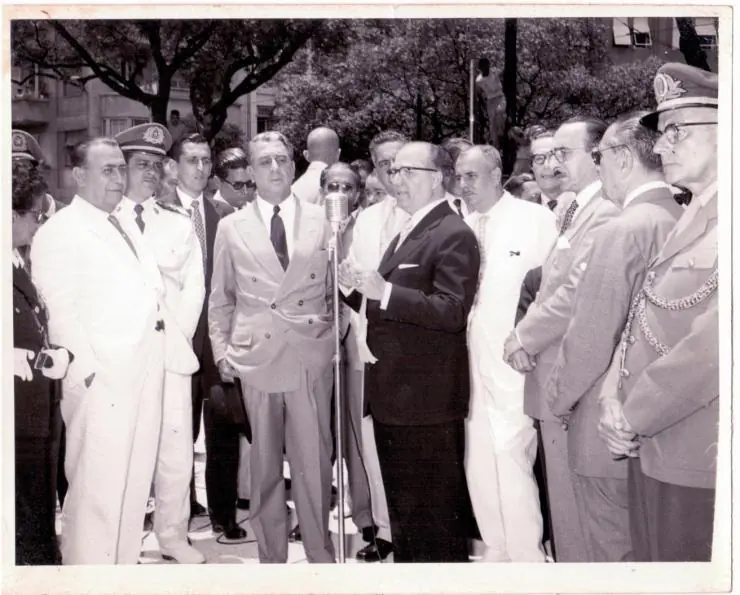
Twenty-eight resolutions were approved. No. 3, proposed by the secretary-general of the Peruvian Red Cross, Dr. Guilhermo Fernandez Davilla, dealt with erecting a statue of Ana Nery at Praça da Cruz Vermelha; the foundation stone of the monument was laid on 26 September 1935, and the statue was unveiled in December 1956, at a ceremony with a speech by Senator Vivaldo Palma Lima Filho, then president of the BRC. The Post and Telegraph Department issued stamps of 200, 300 and 700 réis, with a surcharge of 100 réis for the BRC, and the closing on 25 September, at the Teatro Municipal, included a school celebration in honour of the delegates, with a choir conducted by maestro Villa-Lobos[15].
Participants and agenda of the conference
National Societies of the Americas: Argentina, Bolivia, Brazil, Canada, Colombia, Costa Rica, Chile, Cuba, Ecuador, El Salvador, United States, Guatemala, Mexico, Nicaragua, Panama, Paraguay, Peru, Dominican Republic, Uruguay and Venezuela. Invited: Germany, Austria, Belgium, China, Egypt, Spain, France, Greece, Italy, Japan, the Netherlands, Poland, Romania, Switzerland and Czechoslovakia.
Brazilian associations: Associação Brasileira de Educação, Assistência Hospitalar, Caixa de Aposentadorias e Pensões da Light, Diretoria de Saúde e Assistência Médico-Social, Escola de Enfermeiras Anna Nery, Faculdade de Medicina do Rio de Janeiro, Hospital São Francisco de Assis, Serviço de Saúde da Marinha, Serviço de Saúde do Exército, Superintendência do Serviço de Enfermeiras, Sindicato Médico Brasileiro, Pró-Matre, Assistência Pública Municipal, Instituto Oswaldo Cruz and Escola de Educação Física do Exército. Representatives of the governments of Alagoas, Amazonas, Goiás, Paraná, Rio Grande do Norte, Rio Grande do Sul and Santa Catarina also took part.
Agenda: organisation and development of National Societies; collaboration with institutions with similar aims; evolution of the Red Cross's work on the continent since the second conference; adapting the general peacetime programme to the conditions of the American nations; disaster relief; hygiene and assistance; nurses; Junior Red Cross[15].
In 1936, the League recorded in its bulletin its “lively satisfaction” with the “great success” of the conference and thanked the BRC for its “generous hospitality”[15].
Opening of the Third Pan-American Red Cross Conference, at the Theatro Municipal, chaired by Getúlio Vargas (1935 newspaper clipping).Newspaper clipping, 1935: meeting of the 3rd committee and opening of the Red Cross exhibition during the conference.Newspaper clipping, 1935: laying of the foundation stone of the Anna Nery monument, with nearly all the foreign delegates.Commemorative stamp of the 3rd Pan-American Red Cross Conference: 700 réis plus 100 réis for the Brazilian Red Cross.Newspaper clipping, 1935: lunch given by the mayor and the delegates' visit to the Albergue da Boa Vontade.Newspaper clipping, 1935: closing session; delegates from Paraguay and Bolivia embrace, and Chile is chosen to host the next conference.
Statue of Ana Nery, at Praça da Cruz Vermelha, in central Rio de Janeiro.Senator Vivaldo Palma Lima Filho, president of the Brazilian Red Cross, speaking at the unveiling of the Ana Nery statue (December 1956).
Timeline
The main milestones in the history of the Brazilian Red Cross and of the Red Cross in Rio de Janeiro, from 1907 to 2023.
1907–1919 · Founding and early years
From the meeting that laid the foundations of the institution to its entry into the international movement.
1907The physician Joaquim de Oliveira Botelho lays the foundations of the institution on 17 October. On 31 December, a provisional board is acclaimed, with Oswaldo Cruz as president.
1908On 5 December, the statutes are approved: the official founding of the Brazilian Red Cross, presided over by Thaumaturgo de Azevedo.
1910Decree No. 2,380 officially recognises the institution.
1912Recognition by the International Committee of the Red Cross (16 March), Decree No. 9,620 (13 June) and the first branch, in São Paulo.
1914The Women's Section (Red Cross Ladies) is born and, on 20 October, the first Volunteer Nurses course begins. The BRC raises donations for the Contestado War.
1916The Government grants the land for the headquarters and the Practical School of Nurses is created.
1917On 3 May, the provisional headquarters opens and the first professional class graduates: eight nurses.
1918In the Spanish flu, the School becomes an isolation post. A new board, chaired by Miguel Calmon, gives priority to the headquarters building.
1919Admission to the League of Red Cross Societies (17 June) and laying of the foundation stone of the permanent building (5 October).
1920–1948 · The Palace and the School
The permanent headquarters, expansion across the country and the training of nurses in wartime.
1920Creation of the National Crusade against Tuberculosis and the Venereal Prophylaxis Department; the country's first visiting nurses course.
1923Inauguration of the Red Cross Palace, designed by Pedro Campofiorito.
1927Idália de Araújo Porto Alegre receives the Florence Nightingale Medal.
1930On 8 September, the new building hosts the BRC's first Extraordinary General Assembly.
1932In the Constitutionalist Revolution, the BRC helps wounded people and prisoners on Ilha Grande.
1933Decree No. 23,482 defines the BRC as the central body of the federation.
1935From 15 to 26 September, Rio hosts the Third Pan-American Red Cross Conference, the first international Red Cross meeting held in Brazil.
1939–1945In the Second World War, the BRC organises the Central War Relief Committee, the tracing service and the sending of “colis” (parcels).
1940The School's Social Work course begins; BRC nursing diplomas become valid throughout the national territory.
1941–194361 branches are created; on 1 September 1941, the Central Nurses Section is born.
1944In July, the first Brazilian nurses arrive in Italy as part of the Brazilian Expeditionary Force; several were School graduates.
1945Decree-Law No. 7,928 institutes the institution's decorations.
1947The BRC assists the wounded and refugees of the civil war in Paraguay, from Ponta Porã.
1948Second Florence Nightingale Medal awarded to a School student.
1949–1999 · Assistance, hospital and cooperation
From the Ana Nery monument to the great relief operations and the request to protect the Palace.
1956In December, the Ana Nery statue is unveiled at Praça da Cruz Vermelha.
1961Law No. 3,960 makes a distinctive emblem (the serpent staff, not the cross) mandatory for national health organisations.
1963Irene de Miranda Cotegipe Milanez becomes director of the School.
1968–1969Founding of the BRC Guanabara School of Medicine (December 1968); on 21 January 1969, federal intervention is decreed.
1970–1974Medical Mission to the Indigenous peoples of the Amazon, in partnership with the ICRC.
1976Relief campaign for the Guatemala earthquake, the largest donation among the National Societies of the Americas.
1977The BRC Hospital ends its activities; the institution focuses on education, health and social assistance.
1979–1980Reception of Vietnamese refugees and rescue of 41 Brazilians in Nicaragua (1979).
1980In the Northeast drought, 124,982 tonnes of donations are distributed.
1983–1985Operation Northeast, in phases; BRC mediation in the release of Brazilians held by an armed group in Africa.
1987The headquarters building is listed by the city (Municipal Decree 6,932, of 8 September).
1987Rio hosts the 6th General Assembly of the League of Red Cross Societies, in November.
1988The BRC asks the National Historic and Artistic Heritage Institute (Iphan) to list the headquarters building.
1990–1991Operation Ararajuba, a community action with student volunteers in 64 cities.
2001–2023 · Memory, heritage and recognition
Reunification, new statutes, the Rio de Janeiro Branch and the Palace's federal protection.
2001In November, the reunification and pacification of the institution, coordinated by Milton Segala Pauletto, is completed.
2004Revised statutes approved by presidential decree in January; on 27 December, the BRC launches the campaign for the victims of the Asian tsunami.
2006Founding of the Rio de Janeiro State Branch.
2008BRC centenary, celebrated from 3 to 6 December with the presidents of South American National Societies present.
2010Municipal public-interest status (Law No. 5,153).
2011Assistance in the climate disaster in the Serrana Region.
2012On 29 November, the Memory and Documentation Centre is created (Ordinance No. 49/2012).
2016The Statute approved by Decree No. 8,885 organises the BRC into a central body and branches.
2019Restoration and reorganisation of the Memory and Documentation Centre's documents and archive begins.
2021Iphan's Advisory Council approves the listing of the Red Cross Palace as federal heritage, on 10 November.
2023State public-interest status (Law No. 9,984).
The Rio de Janeiro Branch today
The Rio de Janeiro State Branch is one of the state branches of the Brazilian Red Cross. Its founding group came together in 2006[4], and it is recognised as a municipal public-interest organisation by Law No. 5,153 of 30 April 2010, and as a state public-interest organisation by Law No. 9,984 of 29 March 2023.
Following Resolution 6 of the 2011 Council of Delegates (Geneva), which encourages the preservation and dissemination of the historical and cultural heritage of the Movement's components, the Brazilian Red Cross created the Memory and Documentation Centre (CMD) by Ordinance No. 49/2012 of the National President, on 29 November 2012. In 2019, a long process of restoration and reorganisation of documents and the archive began, to guarantee their preservation and access for researchers[16]. The CMD is organised into the Central Archive, the Institutional Archive, the Historical Archive, Museology, Public Relations and the Library[17].
Most of the photographs on this page come from that archive. The Archive of the Brazilian Red Cross Rio de Janeiro brings together documents, photographs, videos and press clippings of the Branch, with the date, authorship and conditions of use of each item. Anyone with photographs, documents or accounts about the Branch's history can write to contato@cruzvermelhariodejaneiro.org.
The initiative came from the physician Joaquim de Oliveira Botelho, who brought together doctors and other professionals in Rio de Janeiro on 17 October 1907. The statutes of the Brazilian Red Cross were approved on 5 December 1908, the official founding date.
Who was the first president of the Brazilian Red Cross?
Oswaldo Cruz was acclaimed president of the provisional board on 31 December 1907 but stepped down in 1908. The first effective president was Gregório Thaumaturgo de Azevedo, who led the institution from 1908 to 1918.
When was the Brazilian Red Cross founded?
On 5 December 1908, in Rio de Janeiro, when the statutes were approved at a meeting in the hall of the Rio de Janeiro Geographical Society.
Who was the first woman to lead the Brazilian Red Cross?
Mavy d'Aché Assumpção Harmon, who presided over the institution from 1977.
Where is the historic Red Cross building in Rio de Janeiro?
The Red Cross Palace stands at Praça da Cruz Vermelha, in central Rio de Janeiro. It was built between 1919 and 1923 in the eclectic style, designed by the architect Pedro Campofiorito.
Is the Red Cross building in Rio a listed heritage site?
Yes. The listing was requested by the Brazilian Red Cross itself in 1988. Iphan published the provisional listing in July 2021, and Iphan's Advisory Council unanimously approved the listing on 10 November 2021.
Why is the square called Praça da Cruz Vermelha?
Because it lies in front of the Red Cross building, which operated as a hospital. Before that, the site was occupied by the Morro do Senado hill, which was levelled between 1880 and 1906.
Since when has the Red Cross trained nurses in Rio de Janeiro?
The first course, for Volunteer Nurses, began on 20 October 1914, and the Practical School of Nurses was created in 1916. The first professional class graduated on 3 May 1917, with eight nurses.
Who were the first Brazilian women to receive the Florence Nightingale Medal?
Idália de Araújo Porto Alegre, in 1927, the first Brazilian and the first nurse in South America to receive the medal, and Irene de Miranda Cotegipe Milanez, in 1948. Both were linked to the Red Cross School of Nurses.
When was the first international Red Cross meeting in Brazil?
From 15 to 26 September 1935, in Rio de Janeiro: the Third Pan-American Red Cross Conference, with National Societies from 20 countries of the Americas and guests from 15 others.
What is the difference between the Brazilian Red Cross and the Rio de Janeiro Branch?
The Brazilian Red Cross is the National Society of the Red Cross Movement in Brazil, organised as a federation: a central body, state branches and municipal branches. The Rio de Janeiro State Branch is one of those state branches.
Palace façade (top): Diário do Rio de Janeiro. Façade detail: blog O Rio que o Rio não vê. All other photographs, documents and clippings: Archive of the Memory and Documentation Centre of the Brazilian Red Cross. The names on the portraits are those in the archive's Gallery of Presidents and Gallery of Notable People.