Knowledge saves lives too: the Brazilian Red Cross Rio de Janeiro takes its courses to the public
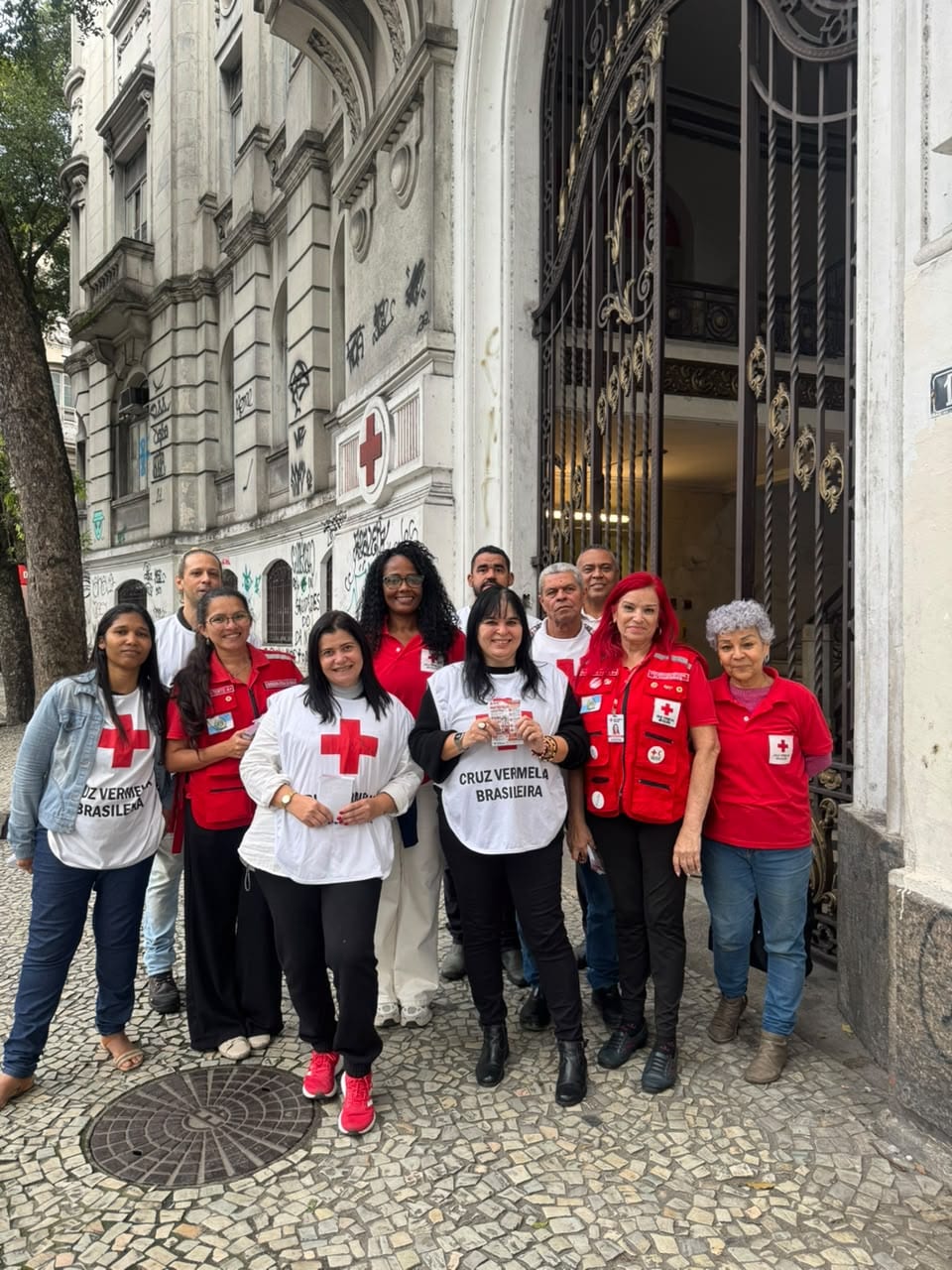
This week the Rio de Janeiro branch went out to meet the public, presenting its humanitarian work and its in-person training in health and first aid.
News
What the branch does, public-interest guidance for Rio de Janeiro, and plain-language guides to the courses taught at our headquarters.
Every article here was first published in Portuguese, and each one links to the original. New articles appear in Portuguese first. All news in Portuguese →
Humanitarian work, the Movement and public-interest guidance.
This week the Rio de Janeiro branch went out to meet the public, presenting its humanitarian work and its in-person training in health and first aid.
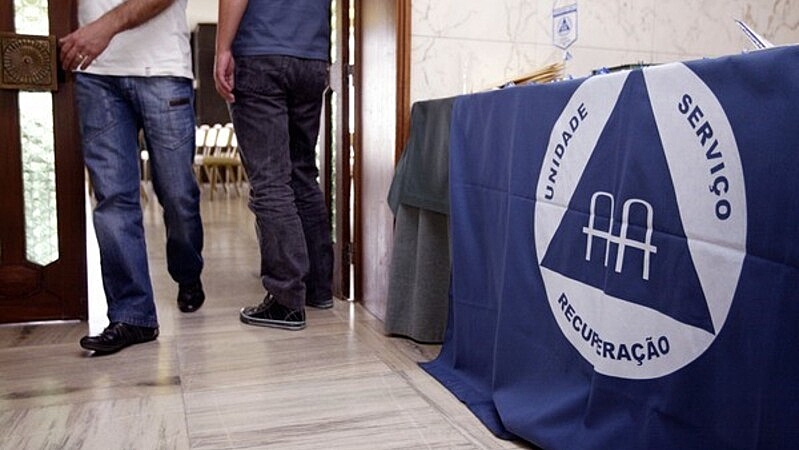
An open meeting marks 79 years of A.A. in Brazil and brings a Brazilian Sign Language interpreter to a mutual-support group in Rio de Janeiro's South Zone.
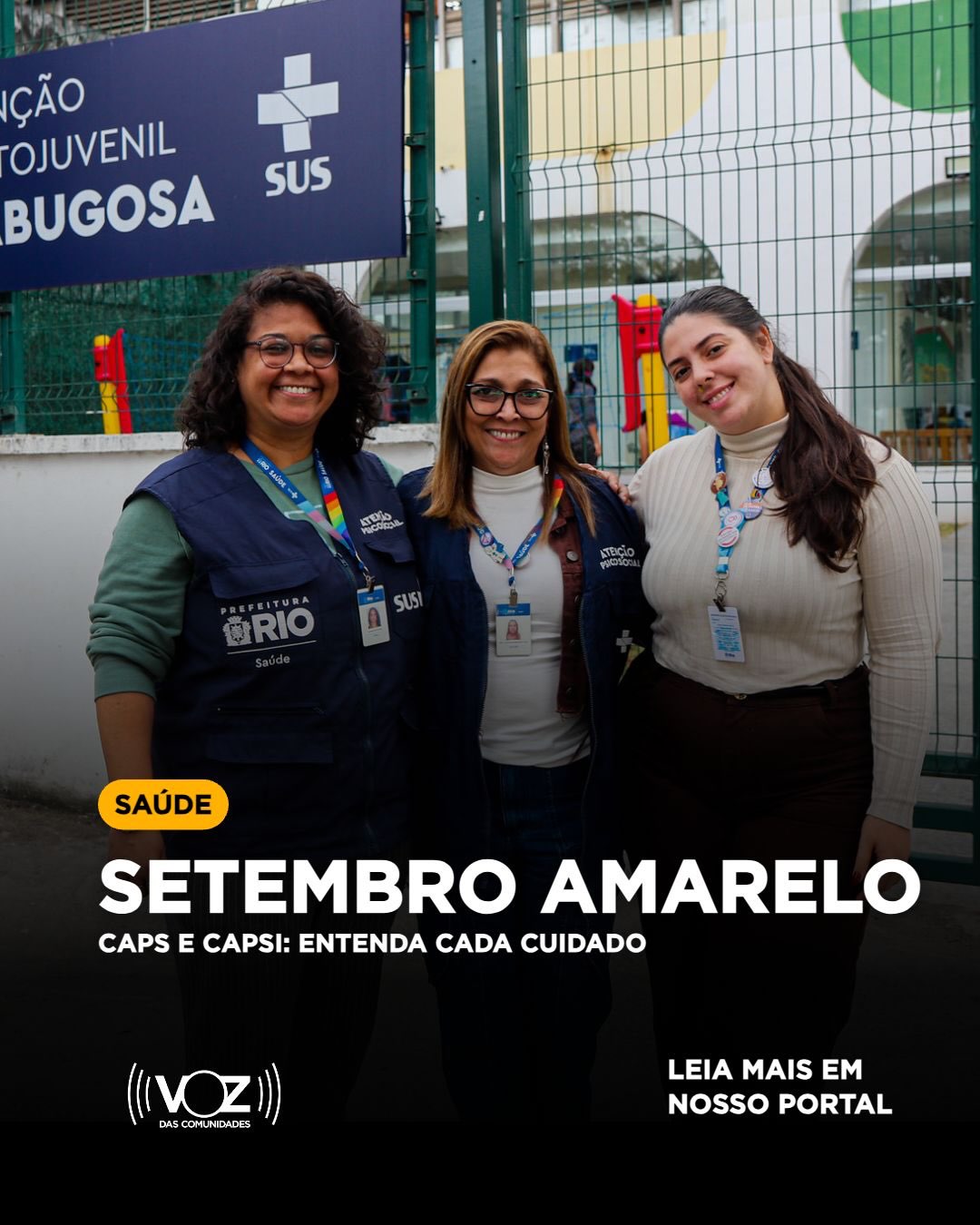
A report by Voz das Comunidades points to the public mental health services that serve Rio's North Zone — and to what the material does not yet say.
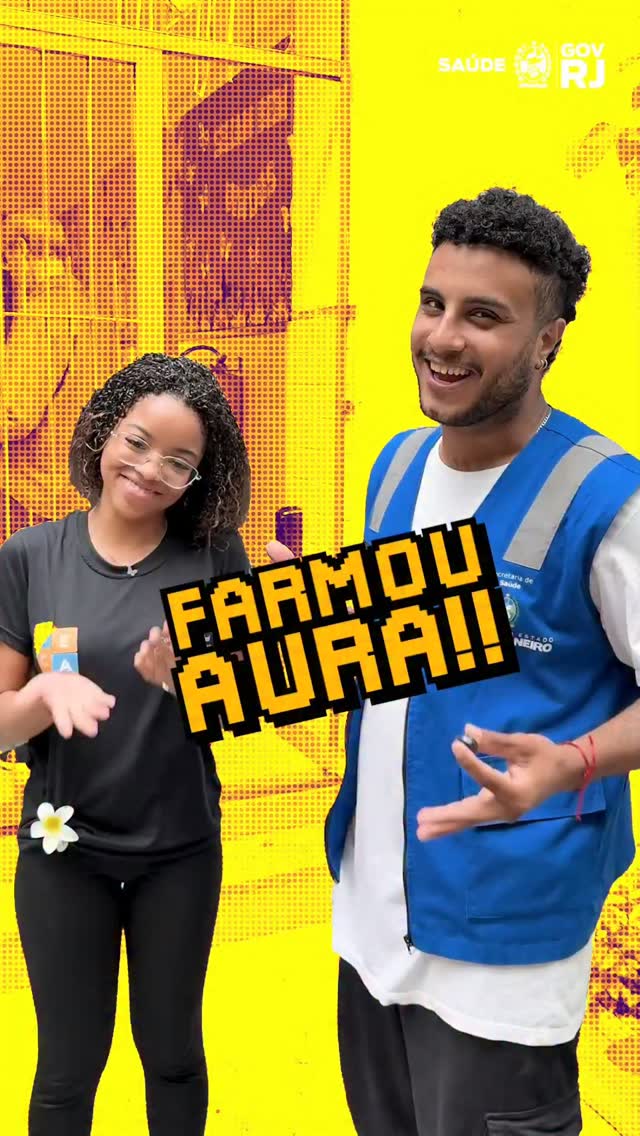
A Rio de Janeiro State Health Department activity at Colégio Chico Anysio shows how to talk prevention with teenagers, without lecturing or taboo.
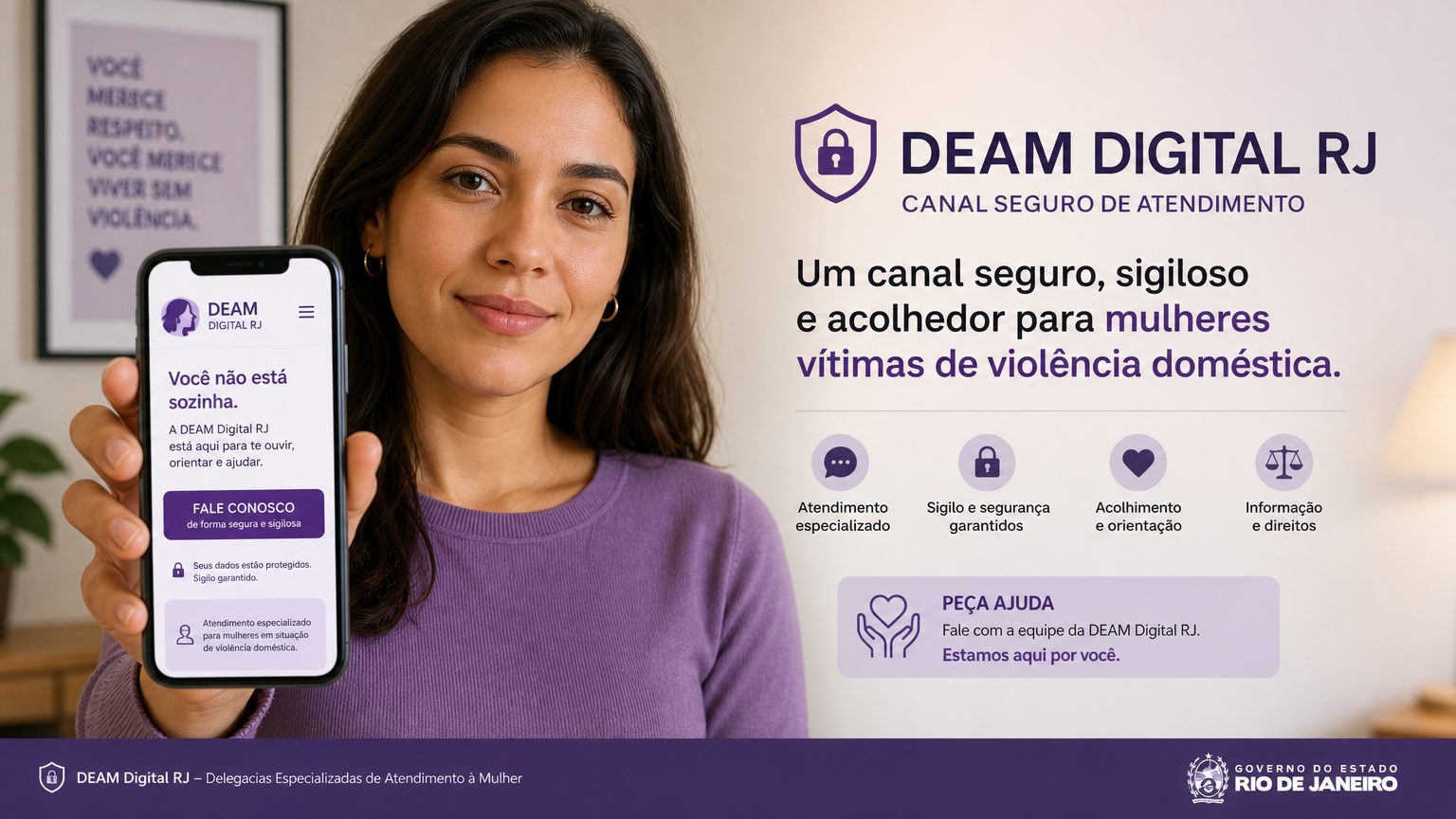
Rio's virtual police station for women takes reports online, with no need to travel first, and refers each case to the specialised protection network.
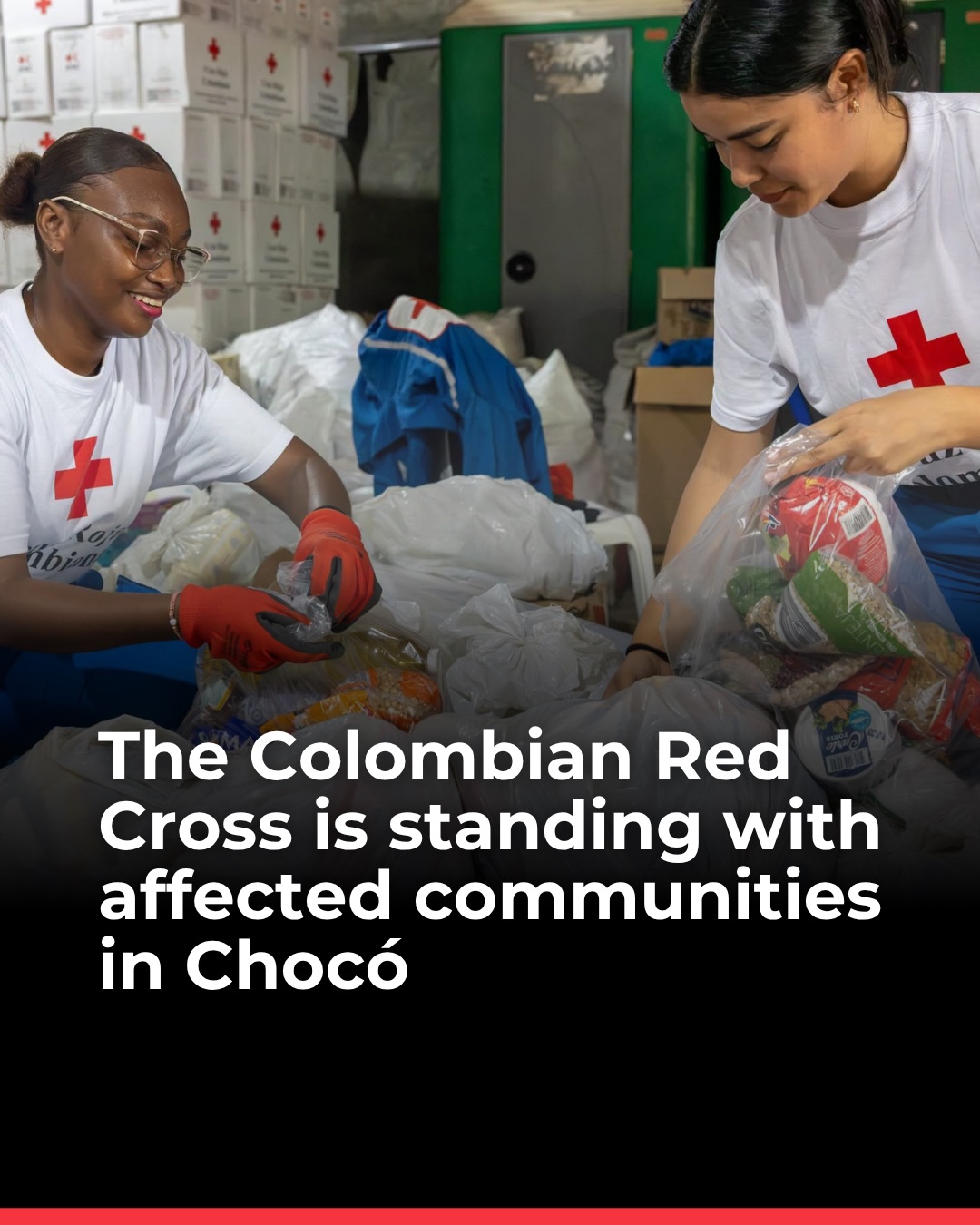
The International Federation is mobilising resources so that affected families in Chocó receive urgent assistance and communities can recover.
The Rio Fire Brigade's air unit warns: keep your distance, close umbrellas and do not film when the helicopter lands for a rescue. Here is the guidance.
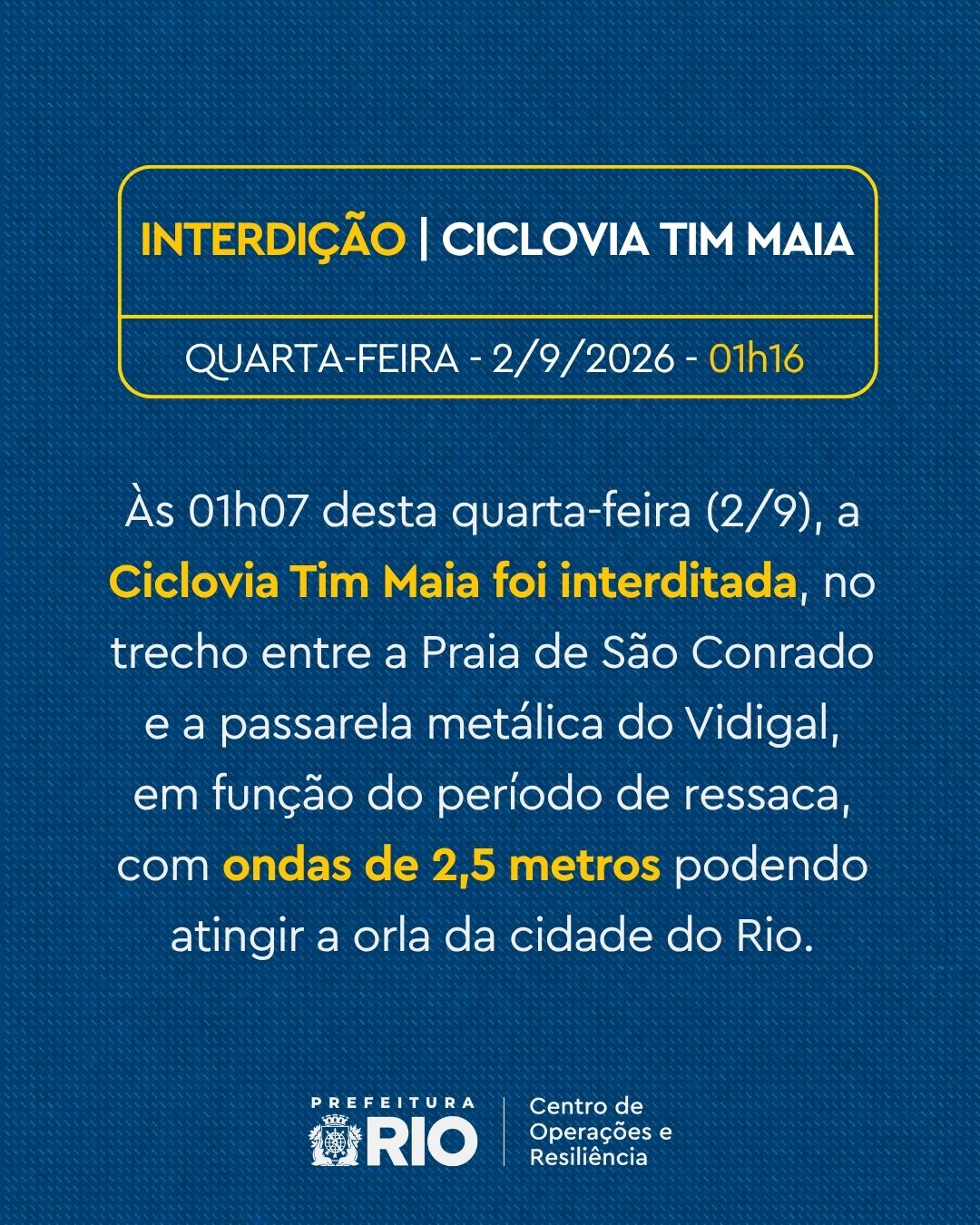
The stretch between São Conrado and Vidigal closed in the early hours of 2 September, with waves of up to 3 metres forecast. Avenida Niemeyer stayed open.
Brazil's suicide-prevention campaign brings the Rio de Janeiro branch together around listening, support and guidance on where to find help.
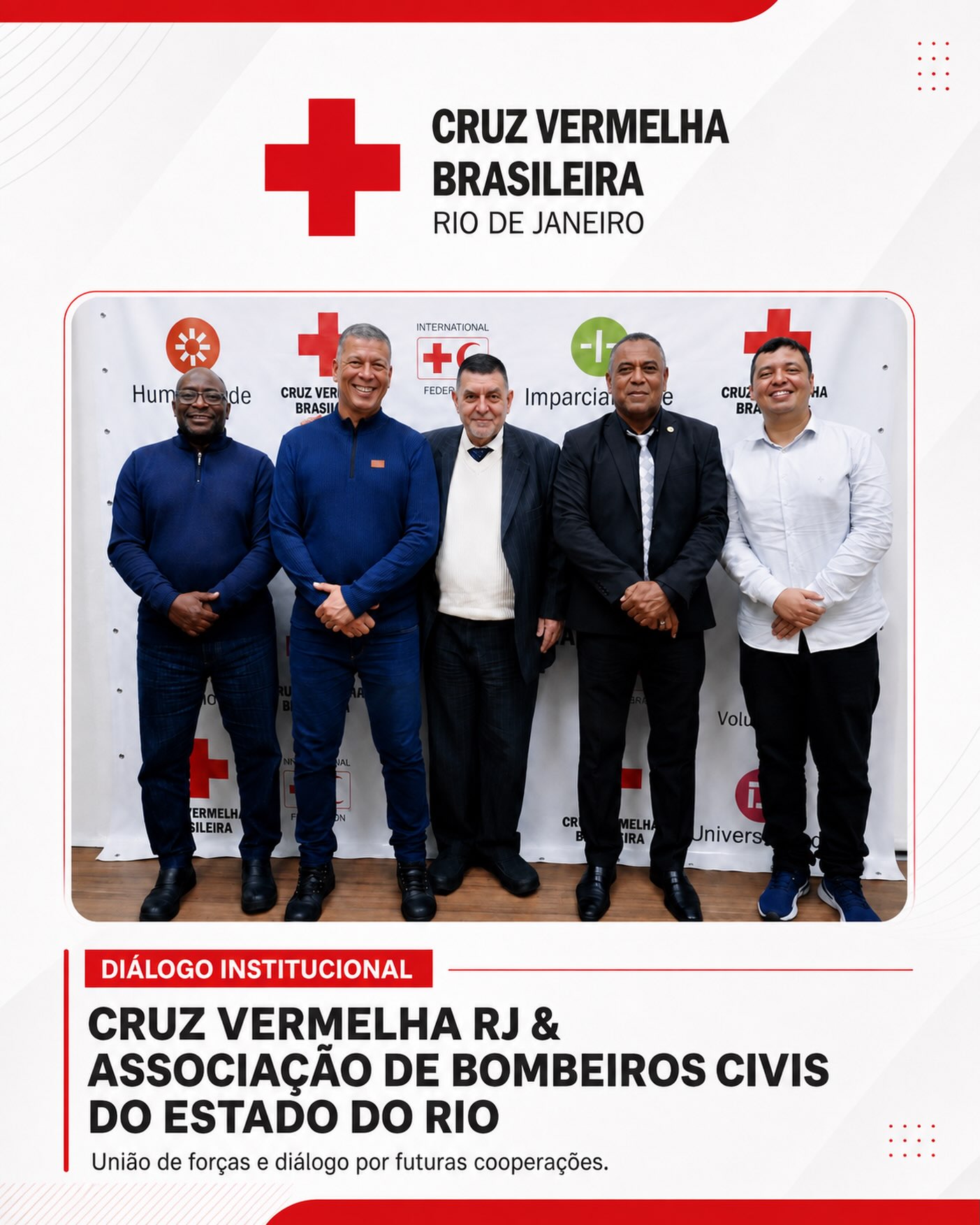
The branch's leadership and the Rio de Janeiro State Civil Firefighters Association met at the headquarters to strengthen ties and discuss future cooperation.
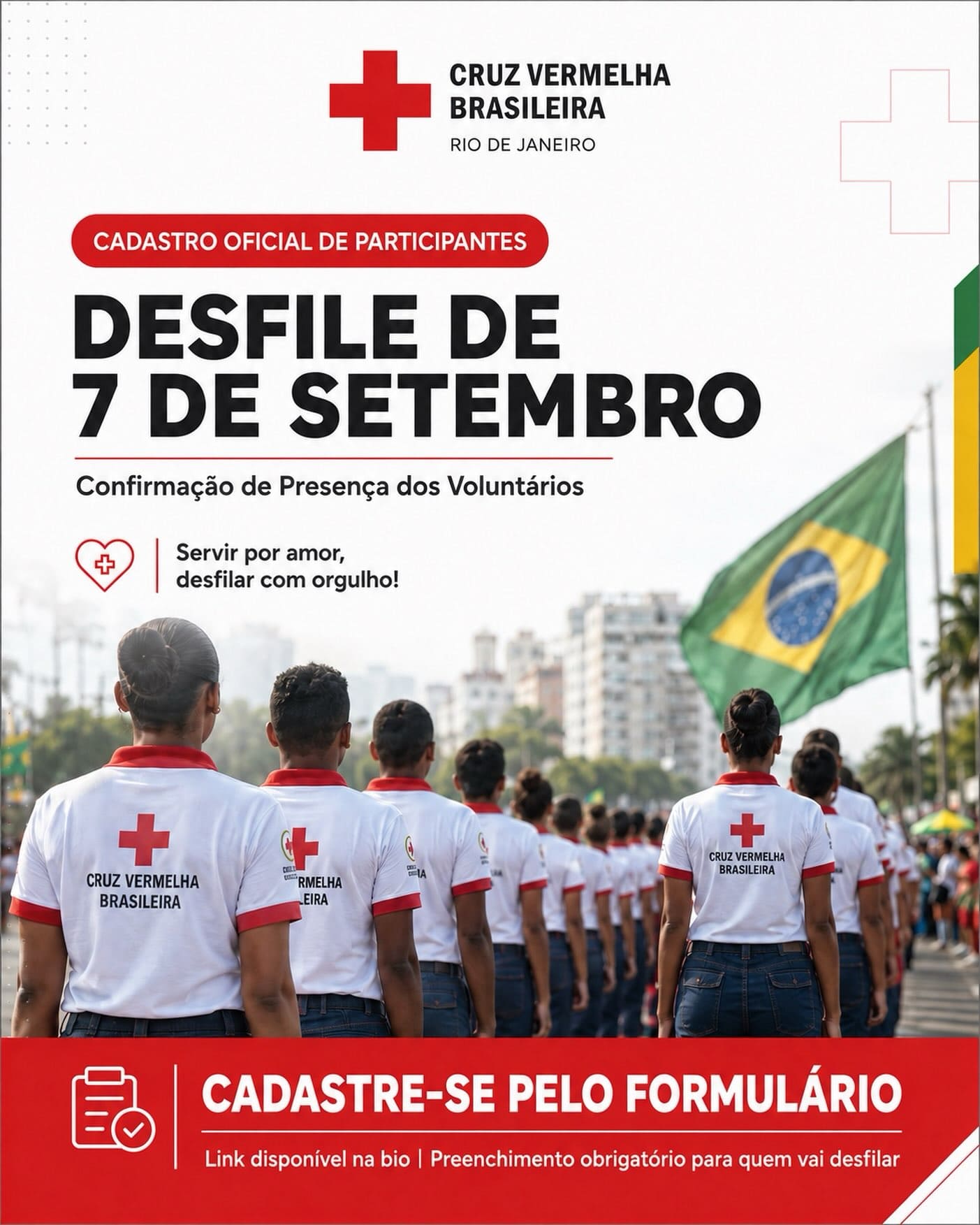
Volunteers and team members representing the branch in the 7 September civic parade had to confirm attendance on the official form. Registration is now closed.
What each in-person course covers and who it is for. The courses are taught in Portuguese, in central Rio de Janeiro.
What Brazil's Lucas Law requires of schools and nurseries: who must be trained, how often, the penalties, and how to train a team in 8 hours in Rio de Janeiro.
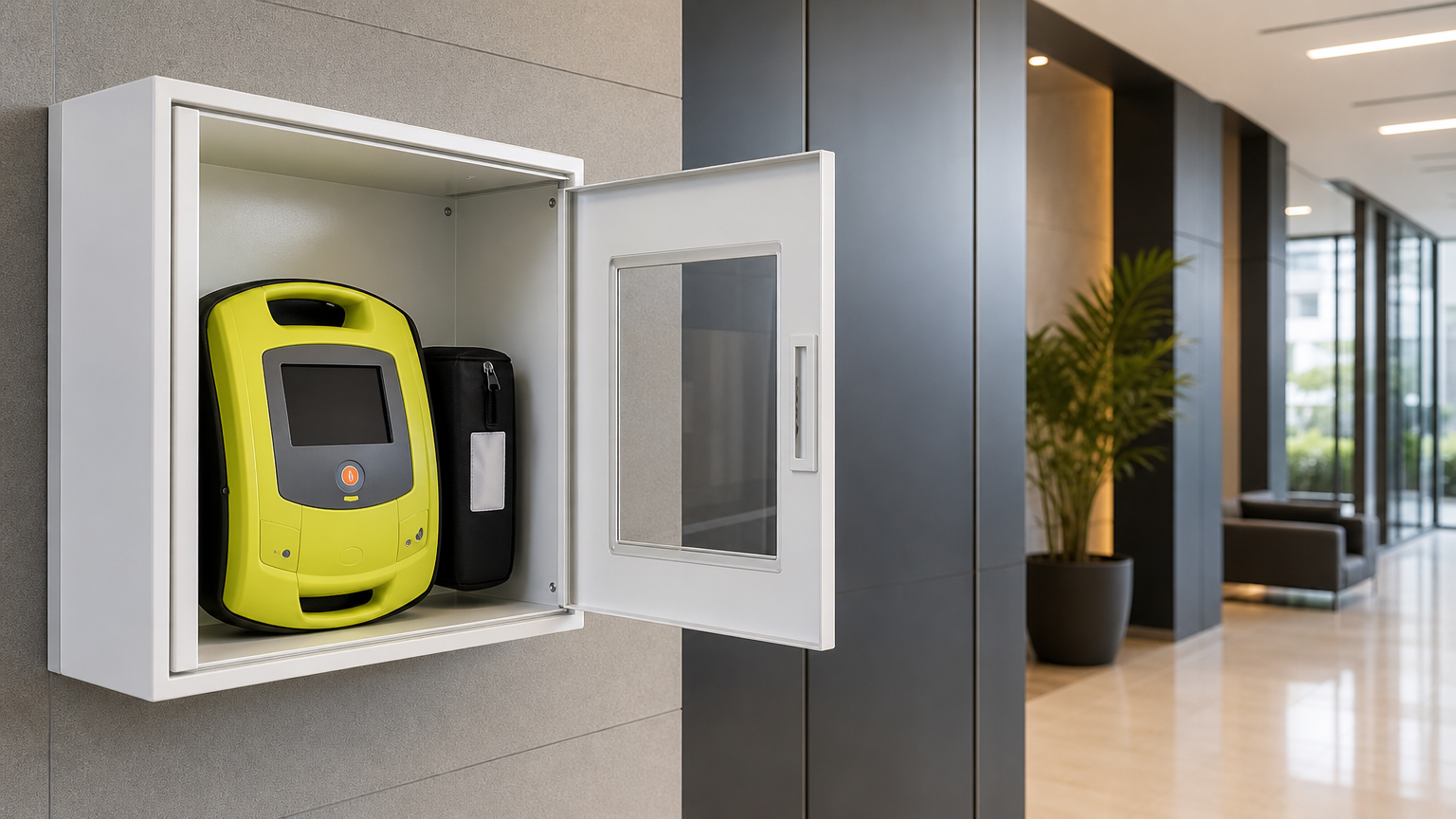
What Basic Life Support is, how it differs from first aid, whether a layperson can use an AED, and what the 4-hour course in Rio de Janeiro covers.
What peripheral IV cannulation involves, who the course is for, and what the 8-hour in-person course in Rio de Janeiro covers.
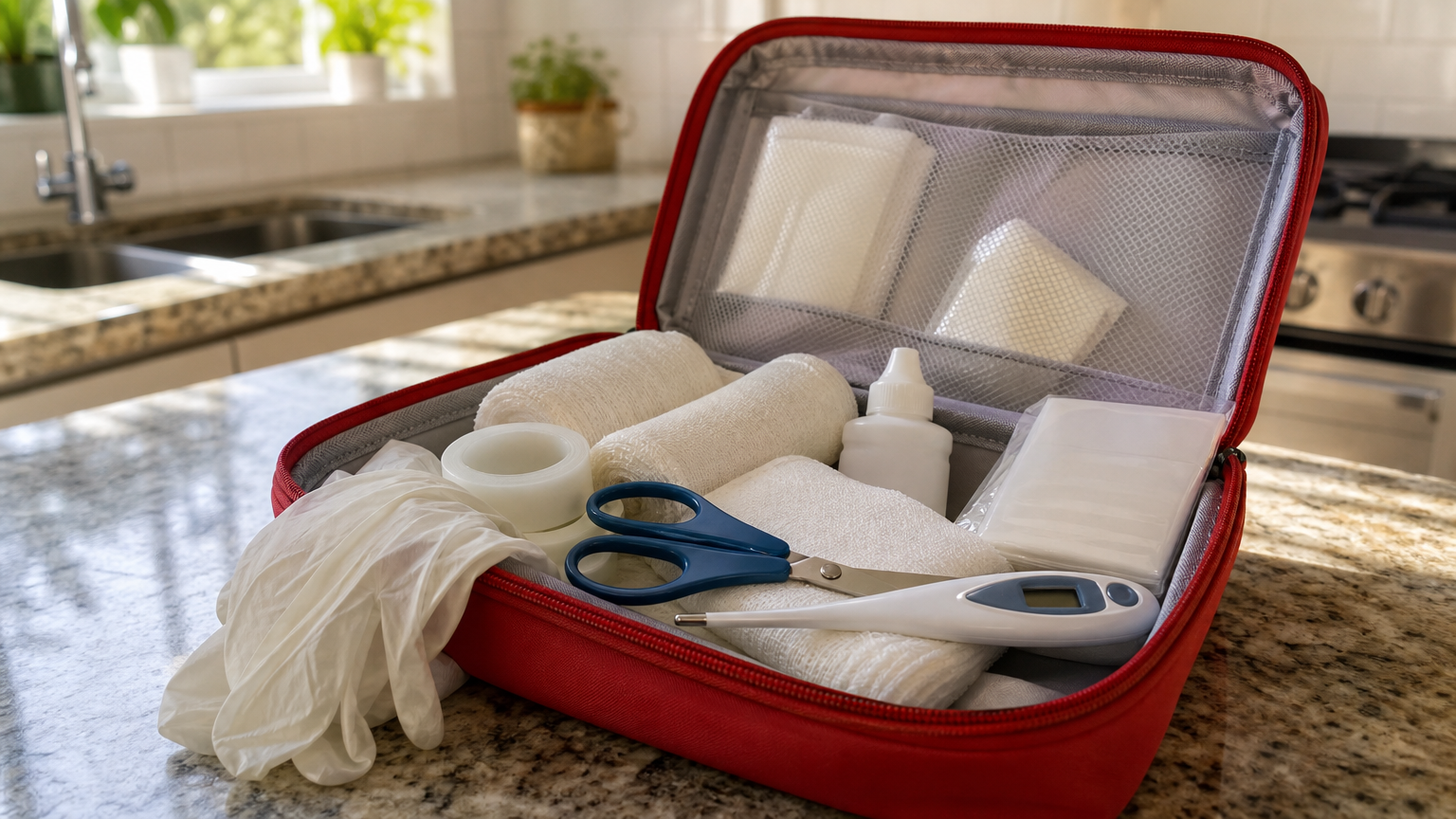
What to do in the first minutes of an emergency at home, when to call 192 or 193 in Brazil, what to keep in a kit, and the 8-hour course in Rio.
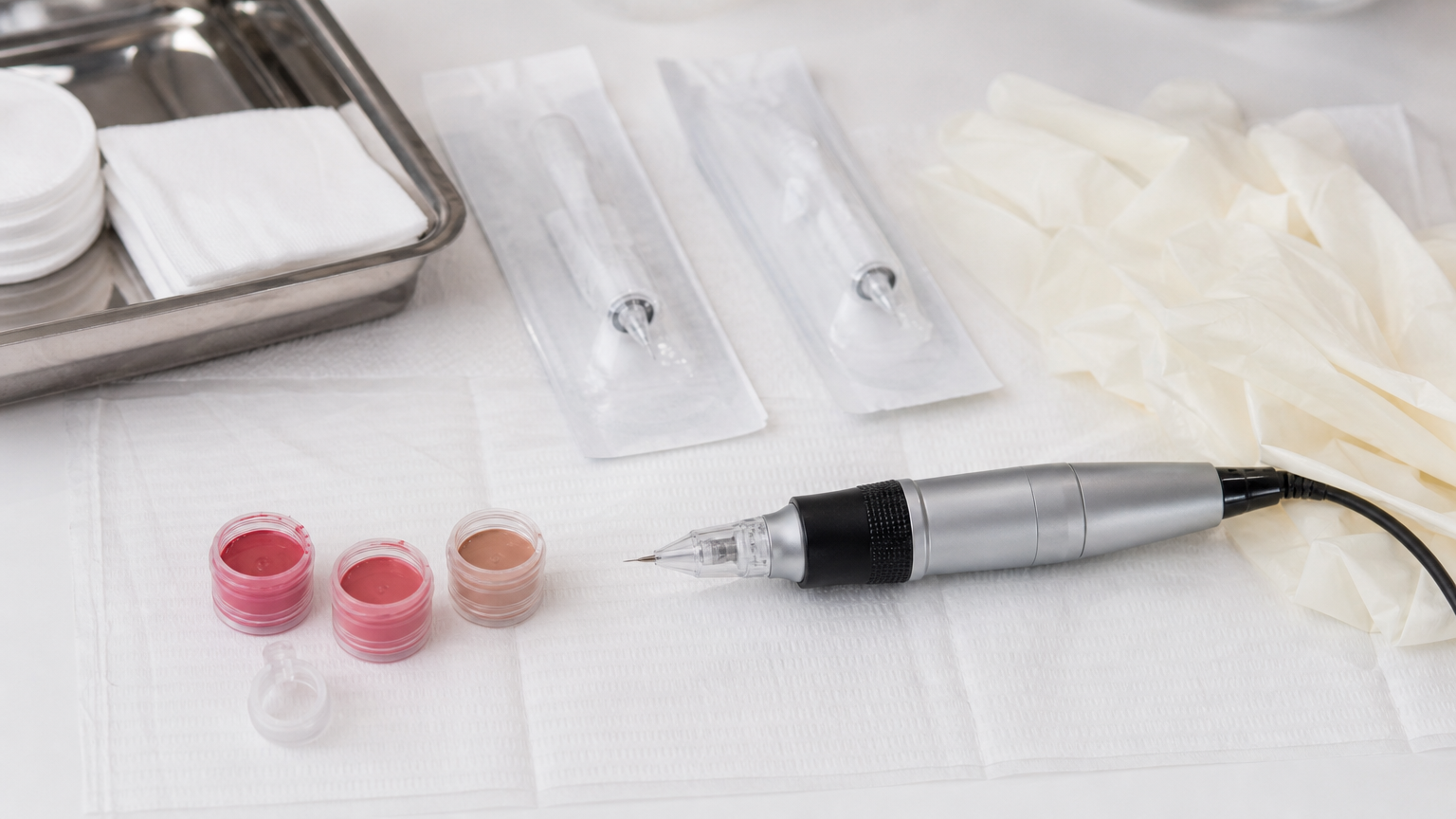
What lip micropigmentation is, how it differs from lip filler, what biosafety it demands, and what the 24-hour in-person course in Rio de Janeiro covers.
What a carer for older people does and does not do, whether the occupation is regulated in Brazil, and what the branch's 160-hour course covers.
What civil firefighters do, how they differ from military firefighters and fire wardens, what Law 11,901/2009 requires, and the 80-hour course in Rio.
The essential first-aid skills can be learned in a few well-planned lessons: safe, effective action for everyday emergencies, and how to choose a course.