
The short answer
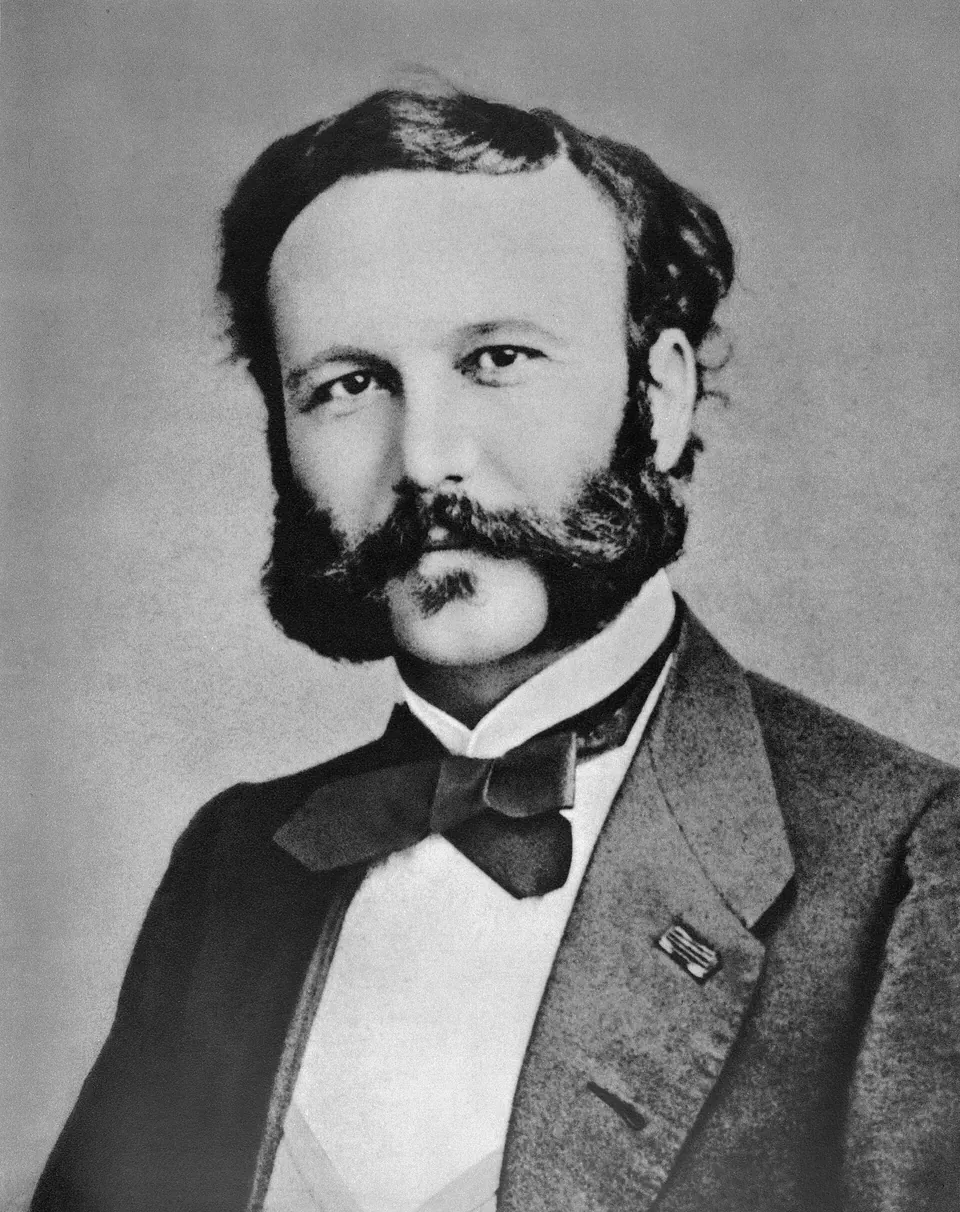
The Red Cross was founded by Henry Dunant (1828–1910), a Swiss businessman from Geneva, together with four other citizens of the city. On 17 February 1863 the five of them formed the committee that became the International Committee of the Red Cross (ICRC). In 1901 Dunant received the first Nobel Peace Prize.
- Founder: Henry (Henri) Dunant, born in Geneva on 8 May 1828
- Founded: 17 February 1863, in Geneva, Switzerland
- What sparked it: the Battle of Solferino, in northern Italy, on 24 June 1859
- First Geneva Convention: 22 August 1864
- Today: 191 National Red Cross and Red Crescent Societies, one of them the Brazilian Red Cross
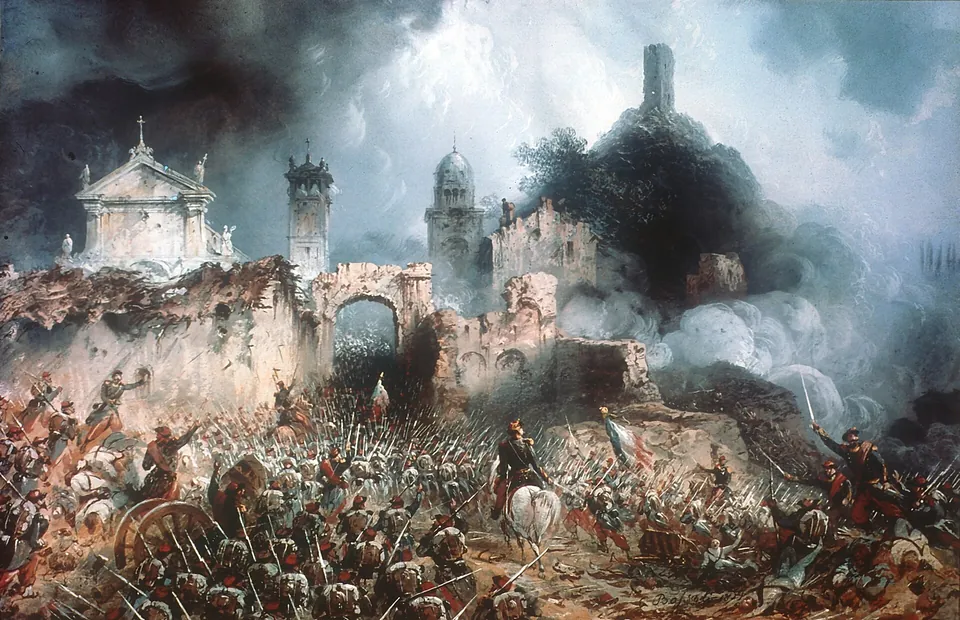
Solferino, 1859
On 24 June 1859 the armies of France and Sardinia fought the Austrian army near the village of Solferino, in northern Italy. In a single day, tens of thousands of soldiers were killed or wounded, far more than the army medical services could treat.
Dunant was travelling in the region on business and arrived the evening after the battle. In the nearby town of Castiglione delle Stiviere, he organised local people, many of them women, to bring water, food and care to the wounded, whichever army they had fought for. The volunteers' words tutti fratelli, "all are brothers", became a lasting image of that impartiality.
A Memory of Solferino, 1862
Back in Geneva, Dunant wrote A Memory of Solferino (Un souvenir de Solférino), published at his own expense in 1862. The book described the battle and the suffering that followed it, and it ended with two proposals:
- that every country form, in peacetime, a society of trained volunteers ready to care for the wounded in war;
- that states agree on an international rule protecting the wounded and the people who care for them.
The first idea became the National Red Cross Societies. The second became the Geneva Conventions.
The Committee of Five, 1863
The Geneva Society for Public Welfare took up Dunant's proposals. On 17 February 1863 it set up a committee of five members: Henry Dunant; the lawyer Gustave Moynier; General Guillaume-Henri Dufour; and the physicians Louis Appia and Théodore Maunoir.
First called the International Committee for Relief to the Wounded, it took the name International Committee of the Red Cross in 1876. In October 1863 the committee brought government delegates and private individuals from several countries to Geneva, and the conference adopted the resolutions that led to the first national relief societies.
The first Geneva Convention, 1864
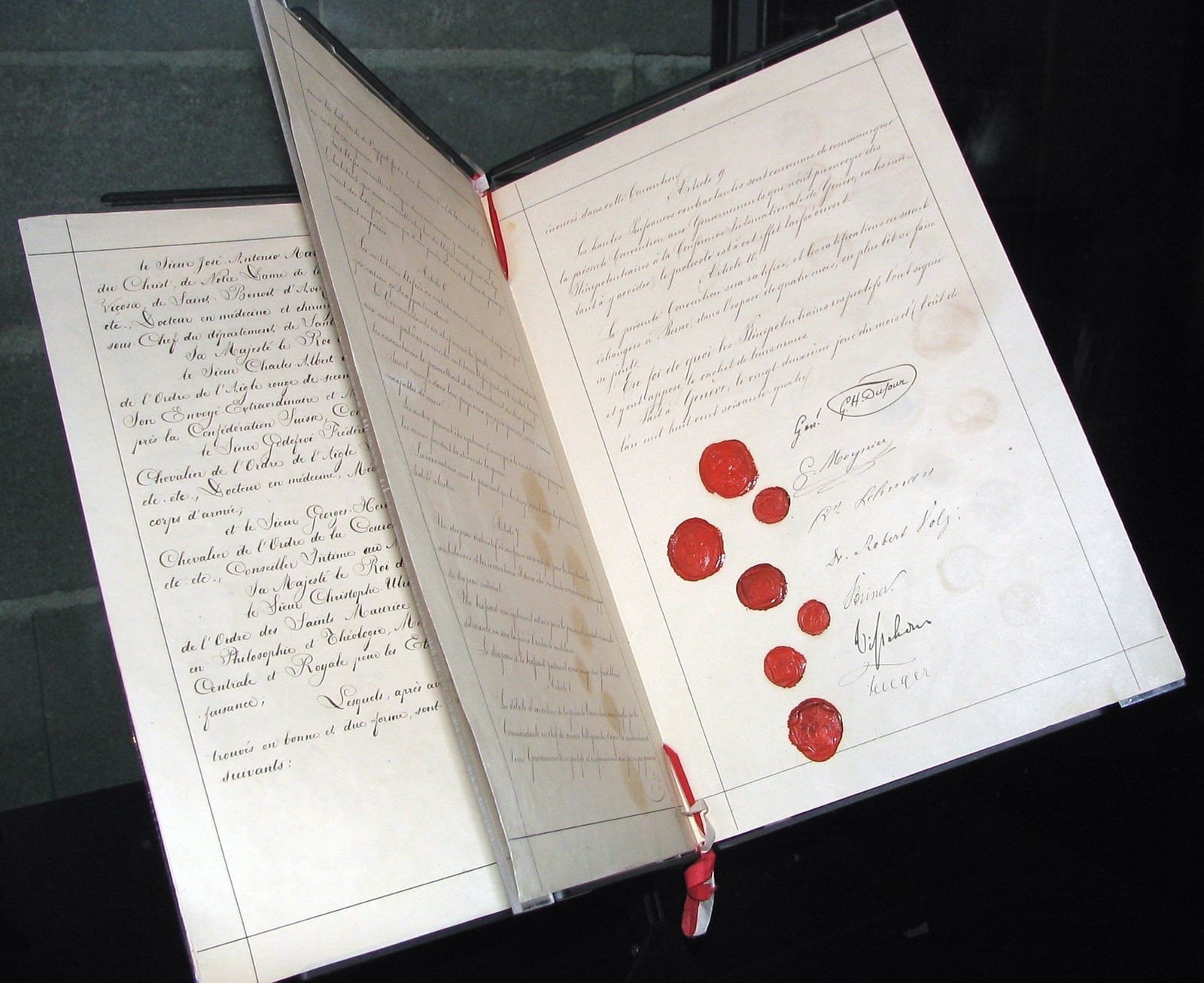
On 22 August 1864, twelve states signed the first Geneva Convention, "for the Amelioration of the Condition of the Wounded in Armies in the Field". It required that wounded soldiers be cared for whatever their side, and it protected medical staff, ambulances and military hospitals.
The same treaty adopted the emblem that would protect them: a red cross on a white background.
Why a red cross?
The emblem reverses the colours of the Swiss flag, in tribute to Switzerland, Dunant's country. It is a sign of protection, not a religious symbol. The red crescent, first used in the 1870s, was recognised alongside it in the Geneva Convention of 1929, and the red crystal was added in 2005.
In Brazil, the use of the name and the emblem has been protected by law since Decree No. 2,380 of 1910. More on the three emblems in the ICRC's history of the emblems.
What happened to Henry Dunant
Dunant's business affairs in Algeria failed, and in 1867 he went bankrupt. He left Geneva and spent years in poverty and obscurity. In the 1890s he was rediscovered living in Heiden, a small town in eastern Switzerland, and his role in founding the Red Cross was recognised again.
In 1901 he received the first Nobel Peace Prize, shared with the French pacifist Frédéric Passy (Nobel Prize facts). He died in Heiden on 30 October 1910. His birthday, 8 May, is now World Red Cross and Red Crescent Day.
The Movement today
Dunant's idea grew into the International Red Cross and Red Crescent Movement, the largest humanitarian network in the world. It has three parts:
- the International Committee of the Red Cross (ICRC), in Geneva, which protects and assists people affected by armed conflict;
- the International Federation of Red Cross and Red Crescent Societies (IFRC), founded in 1919 as the League of Red Cross Societies;
- 191 National Societies, each working in its own country with its own volunteers.
All of them follow the same seven Fundamental Principles, proclaimed in 1965: humanity, impartiality, neutrality, independence, voluntary service, unity and universality.

To go deeper, read what the Geneva Conventions are and what the ICRC does.
How the Red Cross came to Brazil
The Brazilian Red Cross was founded in Rio de Janeiro. A group of doctors and other professionals met in the city on 17 October 1907, and on 31 December of that year a provisional board was acclaimed with the public-health physician Oswaldo Cruz as president. The statutes were approved on 5 December 1908, at a meeting in the hall of the Rio de Janeiro Geographical Society: that is the official founding date.
The first nursing courses began in the city in 1914, and the Red Cross Palace, the headquarters in central Rio de Janeiro, was built between 1919 and 1923.
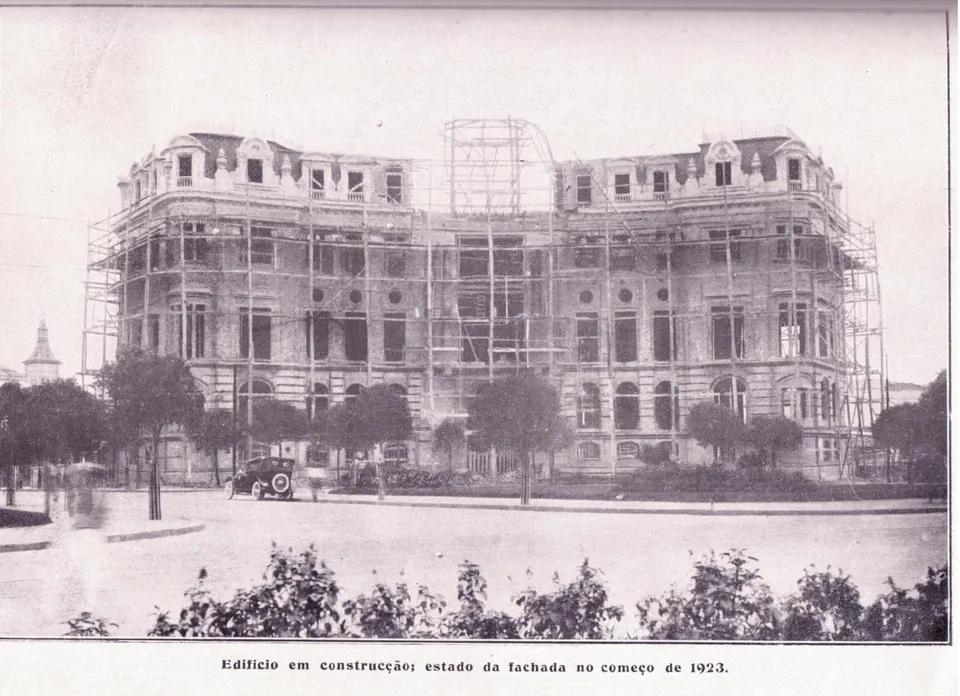
Today the Rio de Janeiro Branch works from that building in emergencies, community health and training, with volunteers from the city itself. The full story, with photographs from the archive, is on our history page.
Timeline
- 1828: Henry Dunant is born in Geneva on 8 May.
- 1859: Battle of Solferino, 24 June. Dunant organises care for the wounded of both sides.
- 1862: A Memory of Solferino is published.
- 1863: The Committee of Five is formed in Geneva on 17 February; the international conference meets in October.
- 1864: Twelve states sign the first Geneva Convention on 22 August, adopting the red cross emblem.
- 1876: The committee takes the name International Committee of the Red Cross.
- 1901: Dunant receives the first Nobel Peace Prize, shared with Frédéric Passy.
- 1907: A provisional board of the Brazilian Red Cross is acclaimed in Rio de Janeiro on 31 December, with Oswaldo Cruz as president.
- 1908: The statutes of the Brazilian Red Cross are approved on 5 December, its official founding date.
- 1910: Dunant dies in Heiden, Switzerland, on 30 October. In Brazil, Decree No. 2,380 protects the name and the emblem.
- 1919: The League of Red Cross Societies, today the IFRC, is founded. Construction of the Red Cross Palace begins in Rio de Janeiro.
- 1929: The red crescent is recognised in the Geneva Convention.
- 1965: The seven Fundamental Principles are proclaimed.
- 2005: The red crystal is adopted as a third emblem.
Sources
- International Committee of the Red Cross, The history of the emblems.
- International Committee of the Red Cross, Red cross, red crescent and red crystal: what do they mean?
- The Nobel Prize, Henry Dunant: facts and The Nobel Peace Prize 1901.
- Brazilian Red Cross — Rio de Janeiro Branch, History of the Red Cross in Brazil, with its own references for the Brazilian dates.
Frequently asked questions
Who founded the Red Cross?
Henry Dunant, a Swiss businessman from Geneva, together with Gustave Moynier, Guillaume-Henri Dufour, Louis Appia and Théodore Maunoir. The five formed the committee that became the International Committee of the Red Cross on 17 February 1863.
When and where was the Red Cross founded?
In Geneva, Switzerland, on 17 February 1863. The first Geneva Convention, which adopted the red cross emblem, followed on 22 August 1864.
Why did Henry Dunant start the Red Cross?
Because of what he saw after the Battle of Solferino, in Italy, on 24 June 1859: thousands of wounded soldiers left without care. He organised local volunteers to help them, then wrote A Memory of Solferino to propose permanent relief societies and an international rule protecting the wounded.
Did Henry Dunant win the Nobel Peace Prize?
Yes. He received the first Nobel Peace Prize, in 1901, shared with Frédéric Passy.
Is there a Red Cross in Brazil?
Yes. The Brazilian Red Cross was founded in Rio de Janeiro on 5 December 1908 and is one of the 191 National Societies of the Movement. Its Rio de Janeiro Branch works from the Red Cross Palace, in the centre of the city.